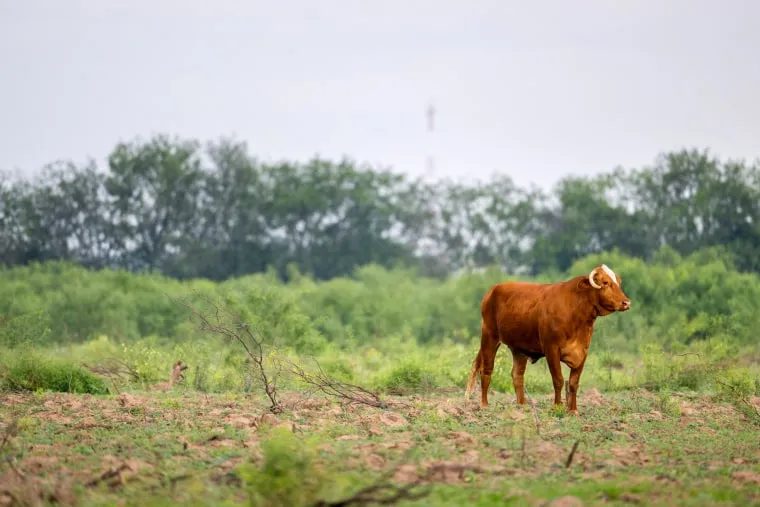
The United States is confronting the return of the New World screwworm, a parasitic fly that consumes living animal tissue, with recent detections in Texas marking its first natural incursion into U.S. cattle in over four decades. This resurgence has triggered immediate concern for livestock health and agricultural stability.
The USDA is reactivating historical eradication strategies, primarily the mass release of sterile male flies to prevent reproduction. A significant investment is being made to construct a new production facility in Texas, though it will not be fully operational for several years. This period leaves the U.S. vulnerable to further spread.
The screwworm poses a severe economic threat, potentially causing billions in losses annually. Discussions are also emerging about the long-term possibility of complete species eradication through advanced genetic technologies, though these remain in speculative stages.