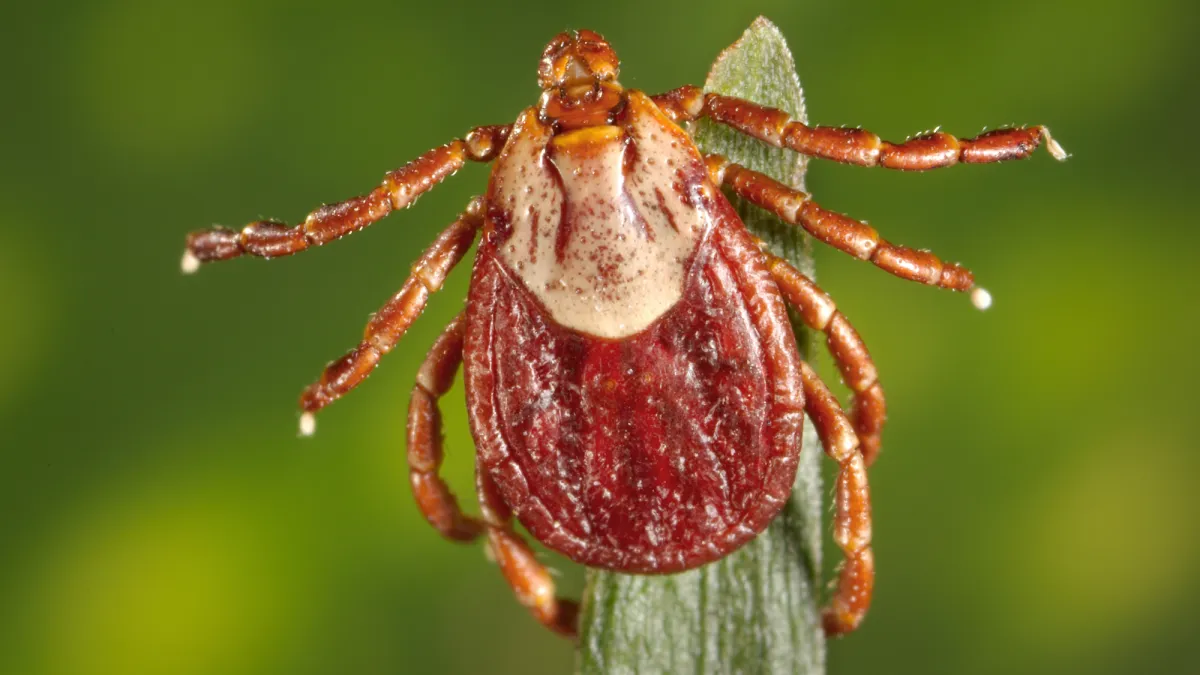
As temperatures rise, tick activity intensifies, posing a significant threat of diseases such as Lyme disease. Understanding tick habitats and life cycles is crucial for prevention. Implementing science-backed strategies, like using EPA-approved repellents and managing your yard to reduce tick populations, is essential for minimizing exposure.
It's vital to debunk common myths, such as the effectiveness of essential oils or the idea that cold winters eliminate ticks. These misconceptions can lead to a false sense of security. Awareness of the expanding range of ticks and the diseases they carry, influenced by factors like climate change, is also critical for public health and safety.