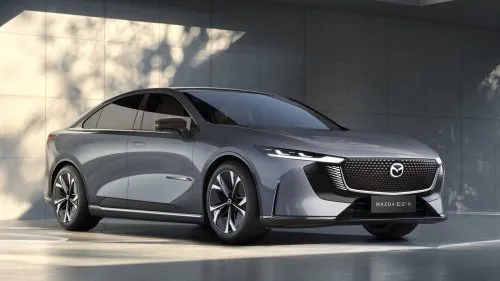
Mazda has initiated a gradual rollout of its updated brand logo, a move that marks a subtle yet significant evolution in its corporate identity. While the precise timing of a full global implementation remains ongoing, the new emblem made its official debut at the Japan Mobility Show. This presentation followed previews in several concept vehicles, signaling Mazda's commitment to refining its visual branding across various touchpoints within the company.
The updated logo, while maintaining the core elements of the existing design, incorporates refined details intended to convey a more contemporary and sophisticated image. This strategic branding update aims to reinforce Mazda's premium positioning in the automotive market and ensure its visual representation aligns with its forward-looking product development and design philosophies. The phased introduction suggests a deliberate approach to integrating the new identity across dealerships, marketing materials, and potentially future vehicle models.
Evolution of Mazda's Visual Identity
The Rationale Behind the Logo Update
Automotive brands frequently update their logos to reflect evolving market trends, technological advancements, and shifting consumer perceptions. For Mazda, this logo revision is not a radical departure but rather an enhancement of its established visual language. The aim is to project an image of sophistication, craftsmanship, and a continued focus on the driving experience. The previous logo, which has served the company for many years, has been carefully re-evaluated to ensure it continues to resonate with a modern audience while retaining the brand's heritage.
The subtle changes likely focus on aspects such as line weight, spacing, and possibly minor adjustments to the metallic finish or depth perception. These meticulous alterations are designed to make the logo appear sharper, more dynamic, and adaptable to various digital and physical applications. In an era where brand visibility is crucial across numerous platforms, from digital advertising to vehicle badging, a refreshed logo can contribute to a revitalized brand presence and renewed customer engagement.
Debut and Rollout Strategy
The choice of the Japan Mobility Show for the official debut underscores the significance of the domestic market and serves as a strong statement to industry insiders and the public alike. This strategic unveiling allows Mazda to control the narrative and highlight the importance of this branding initiative. Following this high-profile introduction, the company is implementing a measured rollout across its global operations.
This phased approach is common for major automotive manufacturers, allowing for efficient integration across diverse markets and corporate structures. It involves updating signage at dealerships, revamping digital platforms, and eventually incorporating the new logo onto production vehicles. The timeline, extending into late 2025 and beyond for full implementation in various regions, reflects the logistical complexities involved in such a significant brand overhaul.
Regional Adoptions and Future Implications
Recent reports indicate specific regional divisions, such as Mazda of Mexico, have already begun adopting the updated logo. The adoption by Mazda of Mexico in May 2026 signifies the ongoing global transition. This regional implementation serves as a practical testbed and a visible sign of the brand's commitment to modernization.
The long-term implications of this logo update extend beyond mere aesthetics. It is intrinsically linked to Mazda's broader corporate strategy, potentially signaling a renewed emphasis on specific design languages or market segments. As the company continues to navigate the dynamic automotive landscape, its visual identity will play a crucial role in communicating its brand values and future direction to consumers worldwide.
Impact Analysis
The updated Mazda logo represents a strategic refinement rather than a revolutionary shift. Its subtle evolution is designed to enhance brand perception, aligning it with Mazda's commitment to premium quality and driving dynamics. The gradual, global rollout strategy suggests a well-planned transition aimed at minimizing disruption while maximizing the impact of the refreshed identity. This move is expected to reinforce Mazda's market position and appeal to its target demographic, ensuring brand consistency across all consumer touchpoints in the coming years.