

In-Depth Technical Guide to Diaper Changing Tables: Design, Safety, and Functionality
Understanding Diaper Changing Table Engineering and Safety
Diaper changing tables are meticulously engineered furniture pieces designed to elevate an infant to a convenient height for caregivers, significantly reducing physical strain and enhancing the efficiency of hygiene routines. Beyond mere elevation, their design incorporates crucial safety features and material specifications to ensure the well-being of the child. Modern changing tables adhere to rigorous safety standards set by organizations such as the ASTM International and the U.S. Consumer Product Safety Commission (CPSC), which mandate specific requirements for stability, guardrail height, and the absence of hazardous gaps or pinch points. Structural integrity is paramount, typically achieved through robust joinery, reinforced frames, and anti-tip mechanisms, especially for standalone units.
Critical Safety Features and Standards
Safety is the foundational principle in the design of any diaper changing table. Key features include perimeter guardrails, which typically extend at least two inches above the changing pad surface to prevent accidental rolls. Many models integrate a safety strap system to gently secure the infant, though constant supervision remains indispensable. The stability of the unit is tested against tip-over hazards, with many freestanding designs incorporating wall anchor kits for enhanced security. Materials used must be non-toxic and free from phthalates, lead, and other harmful chemicals, often certified by GREENGUARD Gold or similar programs, ensuring a healthy environment for the infant.
Construction Materials and Durability
The choice of construction material directly impacts the changing table's durability, aesthetic, and maintenance requirements. Solid wood, such as pine, oak, or maple, offers superior strength and longevity, often with a non-toxic finish that protects against moisture and wear. Engineered wood products, including MDF (Medium-Density Fiberboard) or particleboard, provide a more economical alternative, often finished with veneers or laminates for durability and ease of cleaning. High-grade plastics are utilized in some portable or compact designs for their lightweight and water-resistant properties. Metal frames, often steel or aluminum, can offer exceptional stability and a contemporary aesthetic, particularly in commercial-grade changing stations. The changing pad itself is typically made from a waterproof, wipeable vinyl or polyethylene foam, ensuring hygienic maintenance.
Design Variations and Ergonomics
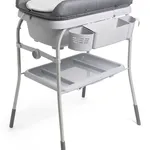
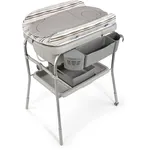
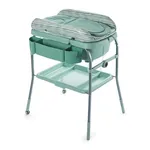
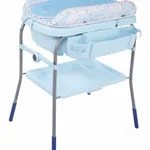
Diaper changing tables come in several principal designs, each catering to different spatial and functional needs. Standalone units are dedicated pieces of furniture, offering ample storage and robust construction. Some feature locking casters for mobility within a room. Dresser-top changing tables involve a removable changing tray placed atop a standard dresser, providing a dual-purpose solution that extends usability beyond the diaper-changing phase. Wall-mounted changing stations, often found in commercial settings or smaller residential spaces, fold away when not in use, maximizing floor space. Foldable or portable changing tables prioritize compactness and ease of transport. Ergonomic considerations are crucial, with optimal table height typically ranging between 34 to 38 inches to accommodate most caregivers comfortably, minimizing stooping and back strain. Access to storage—whether shelves, drawers, or integrated caddies—is strategically positioned to keep supplies within arm's reach while ensuring the infant is never left unattended.
The technical specifications of a changing table also extend to its weight capacity, which should safely accommodate a growing infant, typically up to 30 pounds or 13.6 kilograms. Assembly instructions often require careful attention to detail, ensuring all fasteners are securely tightened to maintain structural integrity. Regular inspection for loose hardware or wear is recommended to preserve safety. The thoughtful integration of these design, material, and safety engineering principles ensures that a diaper changing table is not just a convenience, but a critical component of a safe and efficient infant care environment.