





Comprehensive Guide to Refrigerator Parts and Their Functions
Understanding Core Refrigerator Components
Refrigerators are complex machines, relying on a synergistic interplay of various components to maintain precise temperature control. Key mechanical components include the compressor, which circulates refrigerant, and the condenser and evaporator coils, which facilitate heat exchange. Electrical systems encompass thermostats, control boards, and various sensors that regulate operation, while structural elements like door seals, shelving, and hinges contribute to insulation and accessibility. Each part plays a vital role in the overall efficiency and lifespan of the appliance, and identifying the specific function of a failed component is the first step in effective troubleshooting and repair.
Common Replacement Parts and Their Importance
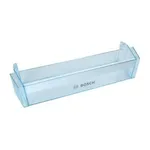
Many parts within a refrigerator are subject to wear and tear or can fail due to electrical issues or mechanical stress. Common replacements often include water filters, which are crucial for potable water and ice quality, and door gaskets, which are essential for maintaining a tight seal and preventing energy loss. Fan motors, both for the condenser and evaporator, are frequently replaced to ensure proper airflow and cooling. Beyond these, icemaker components, light bulbs, and defrost heaters are also regularly sought after. Accurate identification of the part number, typically found on the component itself or within the appliance's service manual, is critical for ordering the correct replacement.
Specialized Parts for Wine Coolers and Other Appliances
While many parts are universal across various refrigeration units, specialized appliances like wine coolers have unique requirements. For instance, Wine Cooler Parts often involve specific temperature control sensors designed for narrower and more precise temperature ranges, humidity control systems, and UV-protected glass doors. The compressors and refrigerants used in wine coolers might also be optimized for quiet operation and consistent, vibration-free cooling to protect sensitive wines. Similarly, commercial refrigeration units may feature heavier-duty components, advanced monitoring systems, and specialized shelving for high-volume storage. Understanding these distinctions is crucial when sourcing parts to ensure the correct functionality and preservation conditions are maintained for the specific type of perishable items being stored. Always refer to the appliance's specific model number and manufacturer guidelines for accurate part selection.