

A Deep Dive into Essential Two-Way Radio Accessory Technologies
Understanding Audio Accessories for Enhanced Communication
Audio accessories are paramount for optimizing two-way radio functionality, directly impacting intelligibility and user efficiency. Speaker microphones, often featuring robust PTT (Push-To-Talk) buttons and sometimes incorporating noise-canceling technology, allow users to communicate without removing the radio from a belt or pack, crucial for hazardous or fast-paced environments. Remote speaker microphones (RSMs) are particularly favored by public safety personnel due to their accessibility and ability to be clipped onto uniforms. Earpieces, available in various configurations like C-hook, D-ring, or acoustic tube designs, provide discrete listening capabilities, essential for covert operations or situations requiring minimal disturbance. Advanced headsets, ranging from lightweight earbud styles to heavy-duty, noise-attenuating models, integrate microphones and speakers for hands-free, full-duplex or half-duplex communication, often with significant ambient noise reduction capabilities.
Exploring Power Management Solutions
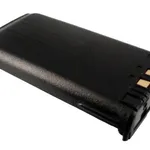
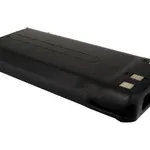
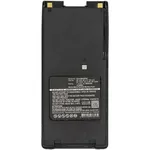
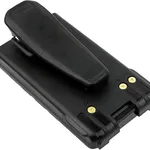
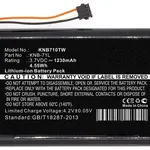
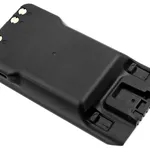
Reliable power management is fundamental to uninterrupted two-way radio operation. Batteries are typically categorized by chemistry: NiMH (Nickel-Metal Hydride) offering a cost-effective solution with decent capacity but prone to memory effect; Li-Ion (Lithium-Ion) providing higher energy density, no memory effect, and lighter weight, albeit at a higher cost; and Li-Polymer (Lithium Polymer), similar to Li-Ion but with more flexible form factors. Battery capacity, measured in mAh, directly correlates with operational runtime. Chargers vary from single-unit rapid chargers, which can fully charge a battery in a few hours, to multi-unit gang chargers capable of simultaneously powering up six or more radios or batteries, vital for large fleet deployments. Intelligent chargers often employ sophisticated algorithms to optimize charging cycles, prolonging battery lifespan and preventing overcharging, contributing significantly to long-term cost savings and operational readiness.
Carrying Solutions and Protective Gear
Beyond core electronics, effective carrying solutions and protective gear ensure radio longevity and user convenience. Holsters, belt clips, and carrying cases are designed to secure the radio, protecting it from physical impact, dust, and moisture while maintaining accessibility. Materials typically range from durable nylon to rigid leather or ballistic polycarbonate, selected based on the operational environment's demands. Specialized cases might offer IP-rated ingress protection against water and dust, or even intrinsically safe ratings for hazardous atmospheres. Shoulder straps and chest harnesses provide alternative carrying methods, distributing weight more evenly and keeping the radio accessible without interfering with other gear. The proper selection of carrying accessories enhances user comfort, reduces the risk of accidental damage, and streamlines workflows.
Antennas and Their Impact on Performance
The antenna is a critical, yet often overlooked, component influencing a two-way radio's range and signal quality. Different antenna types, such as stubby, whip, or high-gain, are designed for specific frequency bands (VHF, UHF) and operational requirements. Stubby antennas are compact and less obtrusive but offer reduced range compared to whip antennas, which provide better range but are more susceptible to physical damage. High-gain antennas maximize signal transmission and reception but are generally larger and more directional. It is crucial to match the antenna's frequency band with the radio's operating frequency to achieve optimal impedance matching, which ensures maximum power transfer from the radio to the antenna, preventing signal loss and potential damage to the radio's RF output stage. Regular inspection and proper care of antennas are essential for maintaining peak communication performance.