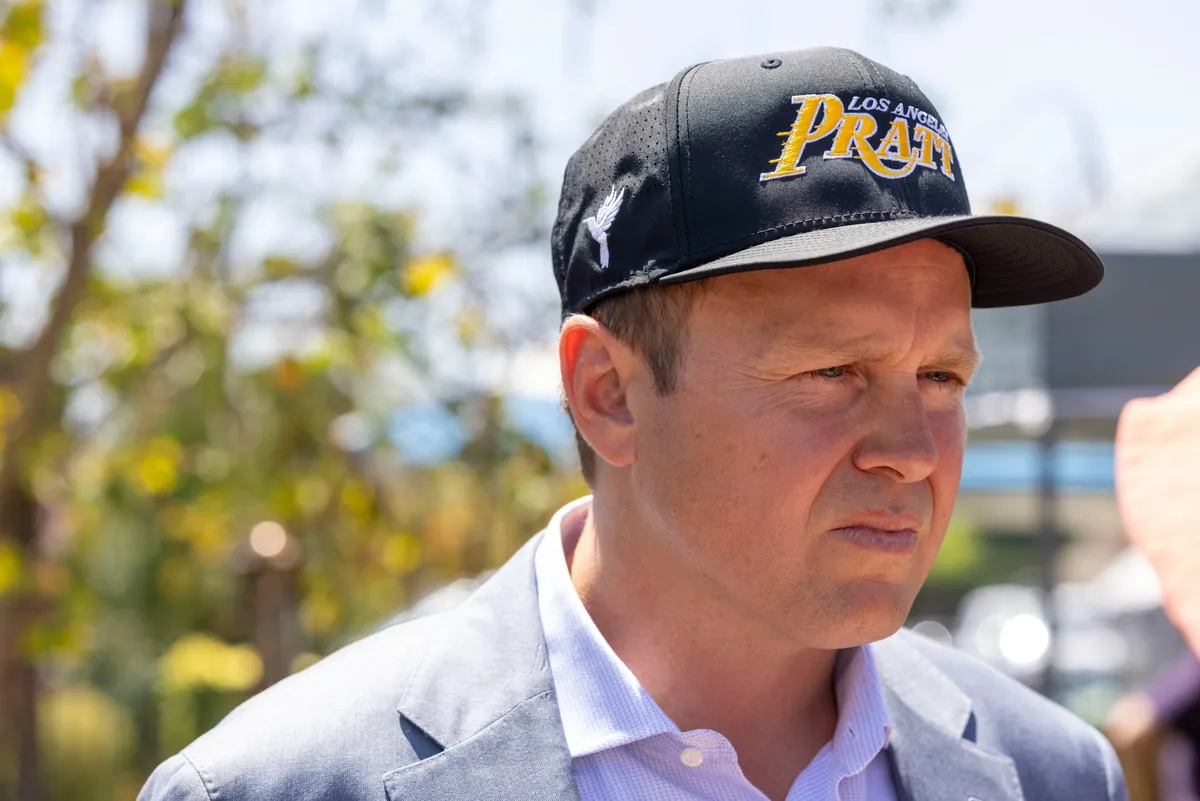
The recent Los Angeles mayoral primary saw a surprising, yet ultimately telling, demonstration of artificial intelligence's role in modern political campaigning. Spencer Pratt, a Republican TV personality, leveraged a significant number of AI-generated videos that went viral, aiming to bolster his candidacy against incumbent Mayor Karen Bass and City Councilmember Nithya Raman. These provocative ads, often depicting Los Angeles as a dystopian landscape rife with social ills, gained millions of views and even drew praise from prominent political figures. However, despite the widespread attention and the perceived low cost and potential algorithmic boosts associated with AI content, Pratt ultimately failed to advance to the general election, underscoring a potential disconnect between AI-driven virality and electoral success.
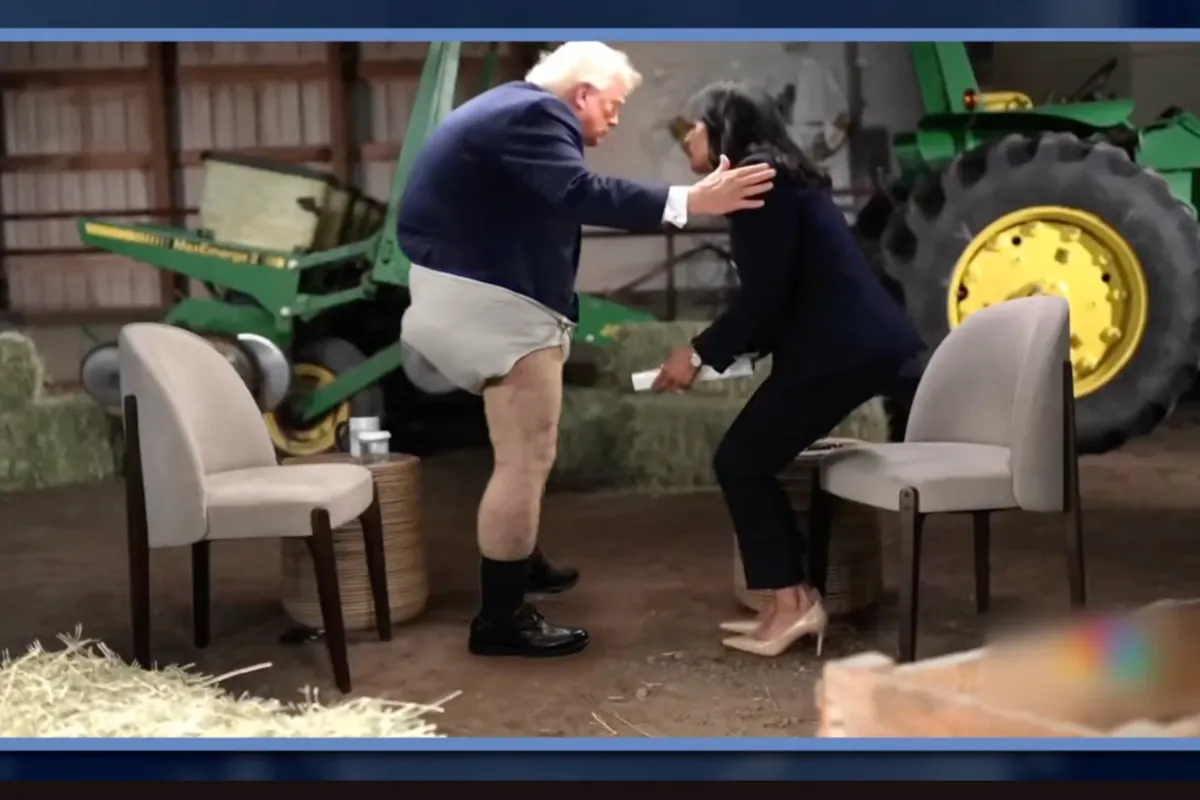
While many of the AI videos circulating were created independently by supporters and filmmakers, some were amplified through Pratt's own social media channels. These pieces frequently satirized Mayor Bass and other California political figures, painting a grim picture of the city and suggesting dissatisfaction with current leadership. One notable video, "LA Is Worth Saving," envisioned a chaotic Los Angeles ruled by a caricatured Mayor Bass, contrasted with Pratt as a heroic figure. Another series, "You Are Not Alone," featured fictional citizens expressing support for Pratt, sometimes with exaggerated or satirical reasons. The effectiveness of these AI-generated narratives in capturing attention was undeniable, but their impact on actual voting patterns appears to have been limited.
The Rise and Fall of AI in Political Messaging
The allure of AI-generated political advertisements lies in their cost-effectiveness and the potential for rapid content creation compared to traditional media campaigns. Filmmaker Charles Curran and former television writer Damilare Sonoiki were among those who produced viral AI content that supported Pratt's campaign narrative. Sonoiki's videos, for instance, often used AI to portray voters endorsing Bass for increasingly problematic reasons, such as wanting to continue public drug use or benefiting financially from homelessness. These videos, while attention-grabbing and widely shared, often contained satirical elements that blurred the line between commentary and outright fabrication.
Despite the widespread dissemination of these AI-produced materials, the electoral results painted a different picture. Pratt, who was initially projected to advance, ultimately garnered approximately 26 percent of the vote, falling short of the two leading Democrats. This performance lagged behind that of Rick Caruso, a billionaire Republican who also utilized a visually striking campaign in 2022 and secured a higher percentage in his primary. The disparity suggests that while AI can generate buzz, it may not translate into the broad electoral support needed to win a major city's mayoral race. The perception that AI might be used for manipulative purposes could also be alienating a significant portion of the electorate.
Examining the AI Content's Nature and Reception
The AI videos supporting Pratt often relied on hyperbole and caricature to make their points. "LA Is Worth Saving" depicted a Louis XVI-style court with exaggerated portrayals of Governor Gavin Newsom and Vice President Kamala Harris, positioning them as out-of-touch elites. The narrative suggested that the city's problems, such as homelessness and drug addiction, were being deliberately fostered by the incumbent administration. Such messaging, while resonating with a segment of the electorate disillusioned with the status quo, also risked appearing outlandish and insincere to a wider audience.
Furthermore, the creators of some of the most viral AI content had backgrounds that invited scrutiny. Damilare Sonoiki, for example, had previously pleaded guilty to an insider trading scheme and faced allegations of sexual assault, which he denied. These past controversies, though not directly tied to the AI content itself, could have influenced public perception of the messages being conveyed. The very nature of AI, which allows for the seamless creation of realistic yet fabricated scenarios, raises questions about authenticity and trust in political discourse.
Traditional Campaigns vs. AI's Limitations
In contrast to the AI-driven approach, the campaigns of the leading candidates, Karen Bass and Nithya Raman, largely relied on conventional political advertising. Mayor Bass's primary TV ad directly addressed her accomplishments, including a reduction in homelessness, which directly countered the narrative promoted by the AI videos. Nithya Raman, while touching on similar themes of concern regarding homelessness and city management, eschewed the use of AI in her campaign materials, even explicitly stating in her final frame, "No AI was used in the making of this video."
This distinction highlights a critical point: established political campaigns often prioritize authenticity and direct communication with voters. While AI offers novel ways to capture attention, its perceived artificiality can be a significant drawback. The success of Bass and Raman in advancing to the general election, despite their more traditional methods, suggests that voters may still value genuine messaging over AI-generated spectacle, especially when concerns about the technology's potential for misinformation are prevalent.
Impact Analysis
The outcome of the Los Angeles mayoral primary serves as a potent case study for the burgeoning use of AI in politics. While AI tools can democratize content creation and generate viral moments, their efficacy in securing electoral victories remains debatable. The Pratt campaign's experience suggests that a strategy heavily reliant on AI-generated content, particularly when it involves sensationalism and exaggeration, may face an uphill battle against candidates who can connect with voters through more traditional, perceivedly authentic means. As AI technology continues to evolve, political strategists will need to carefully weigh the benefits of synthetic media against the risks of alienating voters and the potential for AI to be perceived as a tool for misinformation. The trend indicates that while AI can be a powerful amplifier, it may not yet be a substitute for genuine public trust and established campaign strategies.