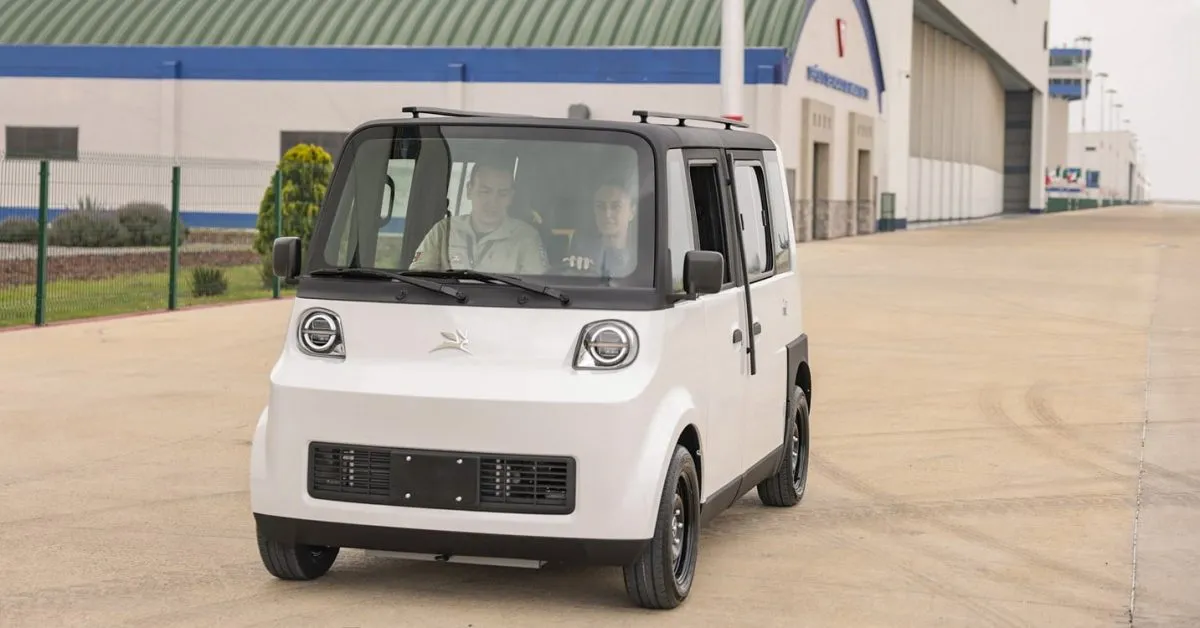
Mexico is making a significant stride in the automotive industry with the introduction of its first domestically developed electric vehicle, named Olinia. President Claudia Sheinbaum officially presented the new EV, a project born from a collaboration between national technological and research institutions, aiming to challenge the notion that innovation is exclusive to other nations. The Olinia is slated to go on sale in June 2027, with an aggressive starting price point projected to be under $9,000 USD (approximately 150,000 Mexican pesos), positioning it as a highly accessible option in the burgeoning electric vehicle market.
This initiative underscores Mexico's ambition to transition from being solely an assembly hub to a developer of automotive technology. The development of Olinia involved key national entities, including the National Technological Institute of Mexico (TecNM), the National Polytechnic Institute (IPN), and research centers under the Secretariat of Science, Humanities, Technology and Innovation (Secihti). This collaborative effort, with some advisory support from the Chinese embassy, signifies a strategic push towards self-sufficiency and technological advancement within the country's automotive sector.
Olinia: Design, Specifications, and Target Market
Compact Design and Accessibility Features
The Olinia is conceptualized as a compact, six-seat city car, often referred to as a mini-EV. Its design prioritizes practicality and urban usability, featuring dimensions suitable for navigating city streets and even rural areas. A notable aspect of its design is its accommodation for a wheelchair, enhancing its accessibility and catering to a broader range of users. 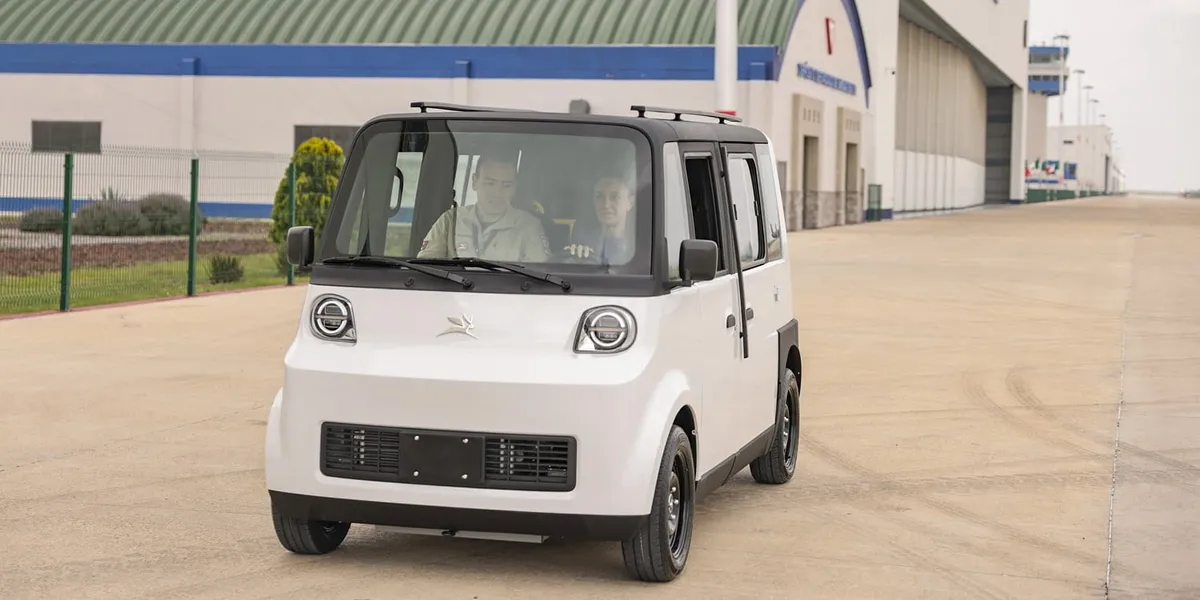
While specific exterior dimensions have not been fully disclosed, the vehicle's profile suggests a maneuverable footprint ideal for dense urban environments. The interior is characterized by its simplicity, focusing on essential features for a modern user experience. This includes a 7-inch central infotainment display, a modest two-speaker audio system, and Bluetooth 5.0 connectivity, providing core infotainment and communication functionalities without unnecessary complexity.
Powertrain and Battery Specifications
Underpinning the Olinia is a 14.7 kWh Lithium Iron Phosphate (LFP) battery. This battery technology is known for its stability, longevity, and cost-effectiveness. The Olinia's battery is designed to deliver an estimated range of up to 100 kilometers (approximately 62 miles) on a full charge. 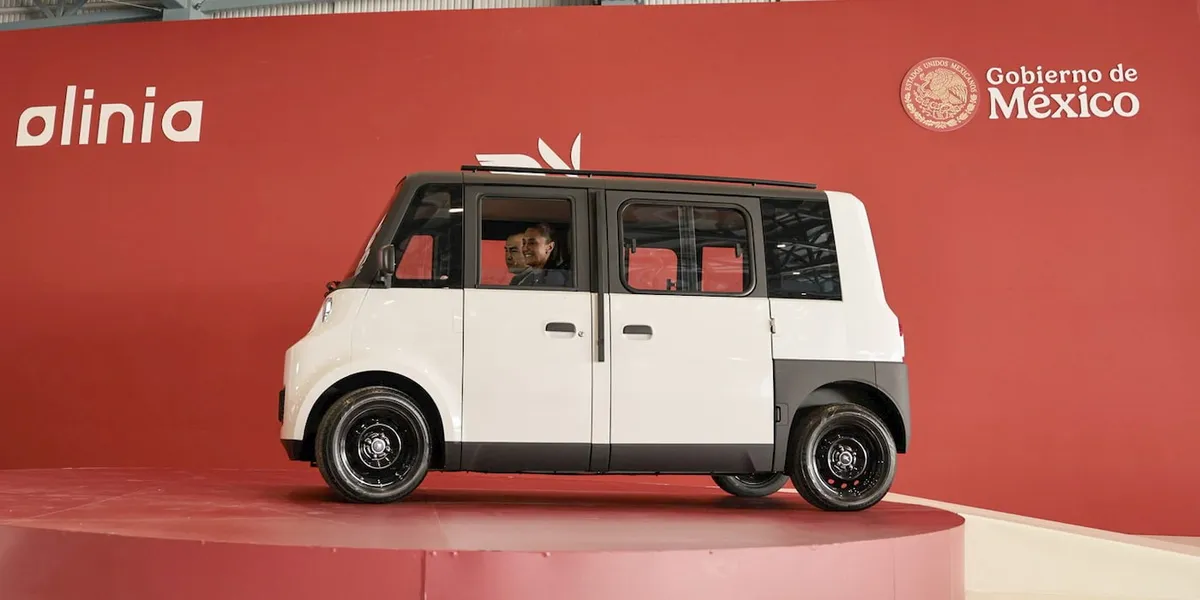
While this range might seem modest compared to longer-range EVs, it is considered ample for the intended use case: daily city commutes and regional travel, where charging opportunities are frequent. The vehicle is powered by a single 13.5 kW electric motor, capable of propelling the Olinia to a maximum speed of 50 km/h (around 31 mph). This performance profile aligns with its role as an urban mobility solution.
Charging Infrastructure and Convenience
A key focus for the Olinia is ease of charging. The vehicle is equipped with a traditional three-phase plug, designed to be compatible with standard household electrical outlets. 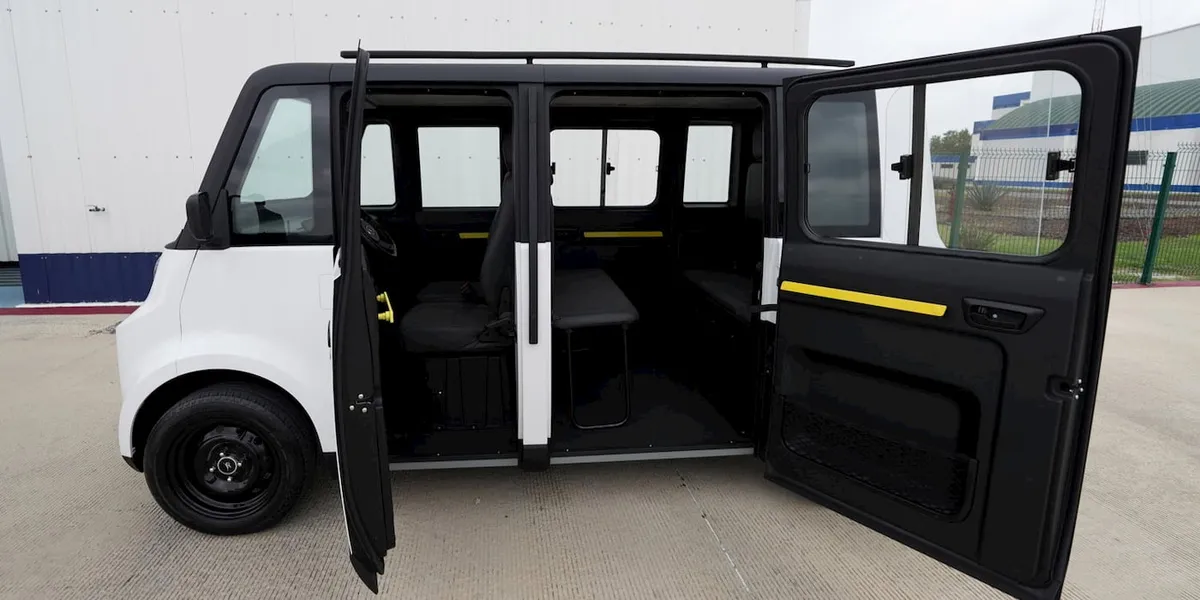
Charging times vary depending on the power source. Using a 220V connection, a full charge can be achieved in approximately four hours. For users with access only to a standard 110V household outlet, the charging duration extends to around 8 hours, making overnight charging a highly practical option. This user-friendly charging approach aims to minimize range anxiety and integrate seamlessly into daily routines.
Cost of Ownership and Market Positioning
The projected starting price of 150,000 pesos (about $8,600 USD) makes the Olinia exceptionally competitive, particularly in emerging markets. President Sheinbaum highlighted that Olinia is expected to offer significant savings for owners. 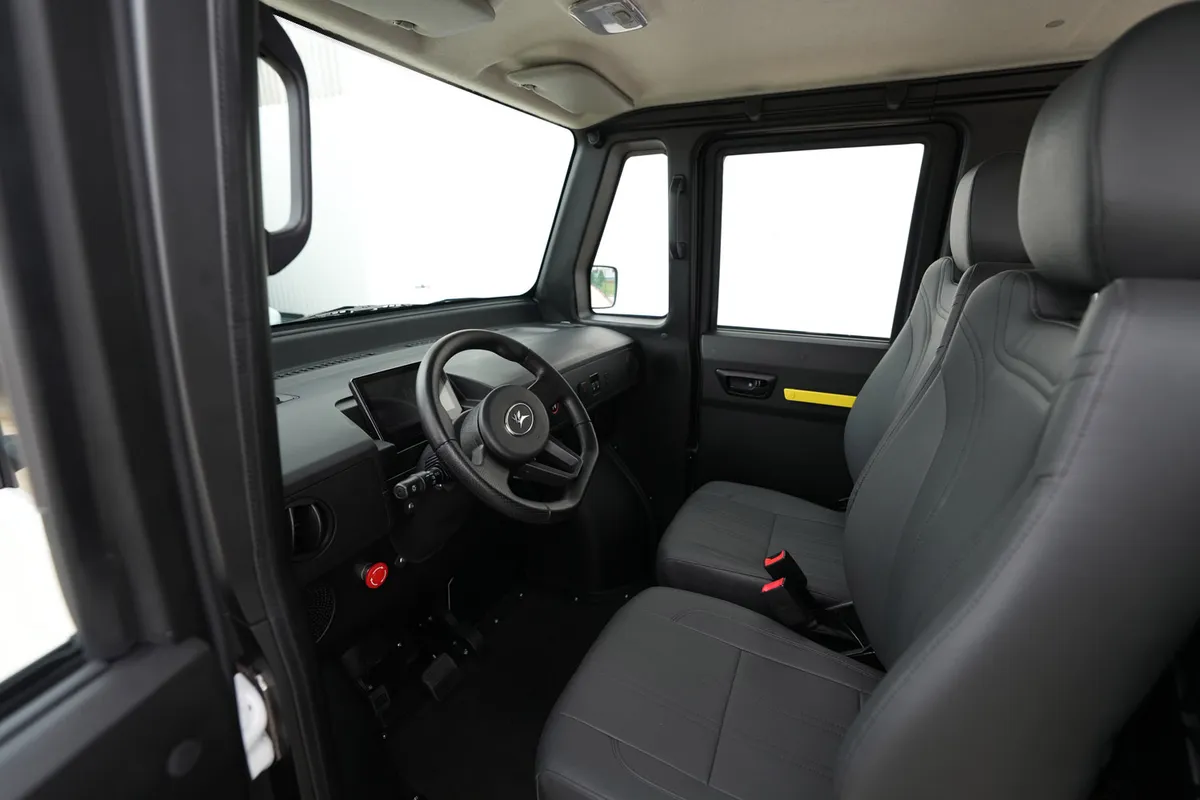
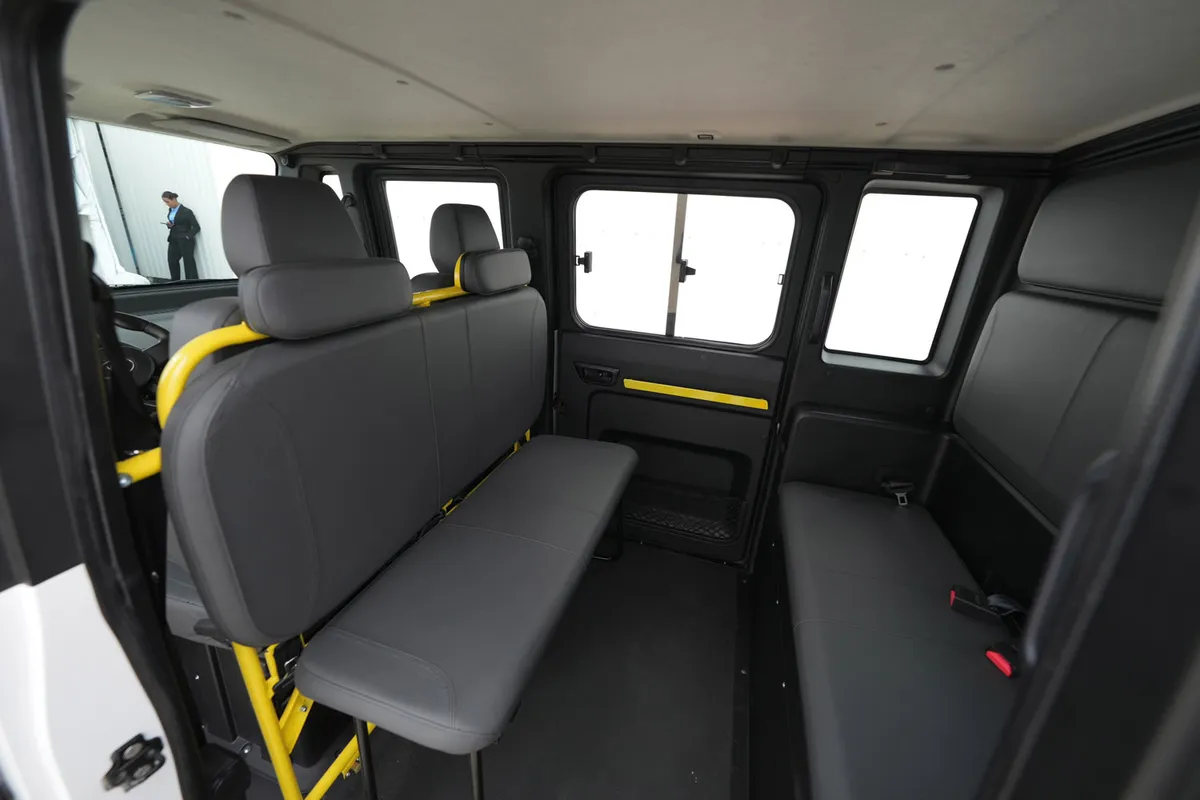
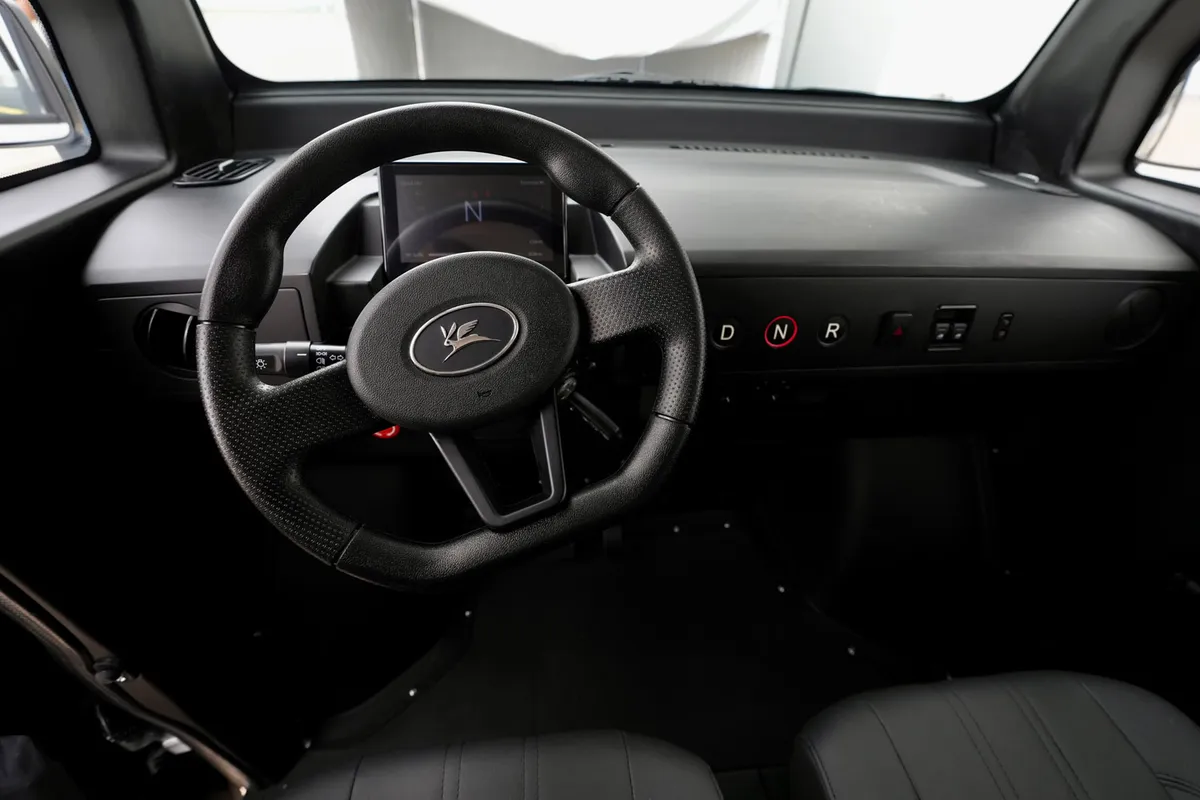
Compared to a conventional gasoline vehicle, where operating costs can be around 2.40 pesos per kilometer, and even a motorcycle at 1.00 peso per kilometer, the Olinia is estimated to cost approximately 49 centavos per kilometer to run. This translates to substantial savings over the vehicle's lifespan, with an estimated annual saving of up to 50,000 pesos (around $2,900 USD) compared to internal combustion engine vehicles.
Competitive Landscape and Future Outlook
The introduction of Olinia places it in direct competition with other low-cost electric vehicles, particularly those from Chinese manufacturers like BYD, whose models such as the Dolphin Mini (known internationally as the Dolphin Surf and Seagull) have seen growing popularity in Mexico. 

By offering a locally designed and manufactured EV at an affordable price point, Mexico aims to capture a larger share of its domestic automotive market and foster domestic technological capabilities. The success of Olinia could pave the way for further domestic EV development and production, contributing to the country's economic growth and environmental sustainability goals.
Impact Analysis
The launch of Olinia represents a pivotal moment for Mexico's automotive sector and its broader industrial strategy. By successfully developing and preparing to market its own EV, Mexico signals a capability shift beyond manufacturing and assembly towards genuine product design and innovation. This could attract further investment in the local R&D landscape and create high-skilled employment opportunities. Economically, the affordability of Olinia has the potential to democratize EV ownership, making electric mobility accessible to a wider segment of the population and accelerating the country's transition towards cleaner transportation. Furthermore, it sets a precedent for other developing nations looking to establish their presence in the global EV market through domestic innovation rather than solely relying on foreign technology transfer.