


Deep Dive into Paint Stirrer Accessory Mechanics and Application
Deep Dive into Paint Stirrer Accessory Mechanics and Application
Understanding Stirrer Paddle Geometries for Optimal Mixing
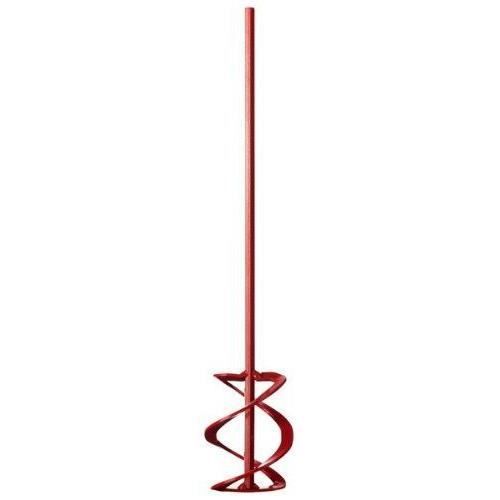
The efficacy of paint stirring is fundamentally dictated by the geometry of the paddle or blade. For high-viscosity materials such as thick epoxies, textured coatings, or masonry paints, a helix-design paddle is paramount. Its helical blades are engineered to pull dense material from the bottom of the container upwards, ensuring thorough turnover and uniform distribution of solids and pigments without excessive air entrapment. Conversely, for medium-viscosity paints like standard latex or enamels, a cage or basket-style paddle excels. These designs create strong shear forces that effectively break up clumps and facilitate rapid, homogeneous dispersion, minimizing settling and achieving consistent color. For low-viscosity liquids such as stains, lacquers, or clear coats, propeller or turbine-style agitators are often employed. These paddles generate high-speed, directional flow that provides excellent blending with minimal aeration, crucial for preventing bubbles and ensuring a smooth finish. Selecting the correct paddle geometry is not merely about achieving a mixed product, but about optimizing material rheology and preventing issues such as streaking, uneven coverage, or premature coating failure.
Shaft Materials, Connection Methods, and Durability
Beyond the paddle, the shaft itself is a critical component, influencing both safety and performance. High-quality paint stirrer shafts are typically constructed from robust materials like stainless steel, offering superior corrosion resistance against various paint formulations and cleaning solvents, as well as exceptional mechanical strength to withstand high-torque operations. Plastic shafts are available for specific applications, particularly where metal contamination is a concern or for single-use scenarios, but generally offer less durability. Connection methods to the power drill are equally vital. Hexagonal shafts provide a secure, slip-resistant grip in standard drill chucks, while round shafts are more common for lighter-duty applications and require tighter chucking to prevent rotation. Threaded connections are specific to certain dedicated mixing machines, ensuring maximum power transfer. Investing in a stirrer with appropriate shaft material and a secure connection method prevents tool damage, material waste, and potential injury during vigorous mixing.
Power Tool Compatibility and RPM Optimization
The synergy between the paint stirrer accessory and the power tool (typically a cordless or corded drill) is crucial. Most stirrers are designed to be used with drills possessing a 3/8-inch or 1/2-inch chuck. However, the drill's power output and, more critically, its variable speed control, are paramount. High-torque, lower-RPM mixing is often preferred for viscous materials to prevent excessive aeration, which can lead to bubbles in the final finish. Conversely, low-viscosity materials may benefit from higher RPMs for rapid, thorough blending. It is imperative to operate the drill at a speed that achieves efficient mixing without splashing or creating foam. Over-mixing or using an incorrect RPM can degrade the paint's properties, affecting its workability, drying time, and finish quality. Always consult both the paint manufacturer's guidelines and the stirrer accessory's recommendations for optimal RPM ranges.
Maintenance and Longevity of Paint Stirrer Accessories
Proper maintenance significantly extends the lifespan and effectiveness of paint stirrer accessories. Immediate and thorough cleaning after each use is non-negotiable. Allowing paint to dry on the paddle can create hardened residue that compromises mixing efficiency and can even scratch container interiors. For water-based paints, warm soapy water and a stiff brush are usually sufficient. For oil-based paints, lacquers, or epoxies, appropriate solvents (e.g., mineral spirits, lacquer thinner, acetone) must be used, following safety precautions. Beyond cleaning, inspect the paddle for wear, bends, or damage. A bent shaft can cause imbalance and vibration, leading to inefficient mixing and potential drill damage. Store stirrers properly to prevent warping or damage, ideally hanging them or placing them in a designated tool organizer. Adherence to these maintenance practices ensures the accessories remain in peak condition, providing consistent, high-quality mixing for every project.