

Deep Dive into PS5 Component Architecture and Upgrade Paths
Understanding Internal PS5 Components and Repair Considerations
The PlayStation 5's advanced architecture, while robust, comprises several critical components that can degrade or fail over time, necessitating informed replacement decisions. The console's primary storage, an integrated custom 825GB NVMe SSD, is non-replaceable, but users can significantly expand storage via an M.2 NVMe PCIe Gen4 SSD. Selecting a compatible drive requires careful attention to physical dimensions, adherence to Sony's specified read speed (5,500 MB/s minimum), and the imperative inclusion of a robust heatsink to prevent thermal throttling under sustained load. Improperly sized or cooled drives can severely impact system stability and game performance, underscoring the technical specificity required for such an upgrade.
Thermal Management Systems
Effective thermal dissipation is central to the PS5's longevity. The console utilizes a substantial heatsink paired with a custom fan (variants from Nidec and Delta) and a liquid metal thermal interface material between the SoC and heatsink. Common issues include excessive dust accumulation, fan bearing wear leading to noise, or, less frequently, liquid metal pump-out, reducing thermal conductivity. Replacements typically involve fan unit swaps, but reapplication of liquid metal is a highly technical procedure requiring specialized tools and expertise to avoid short-circuiting sensitive components.
Power Supply Units (PSUs)
The internal PSU, designed for efficiency, can be susceptible to voltage fluctuations or component degradation over years of use. Identifying the specific PSU model (e.g., APD-400W, APD-400WR) is crucial for a direct replacement, as variations exist across console revisions. Symptoms of PSU failure include sudden shutdowns, failure to power on, or irregular power delivery. Sourcing genuine or high-quality OEM-equivalent PSUs is paramount to prevent electrical instability and potential damage to other internal components.
Enhancing User Experience: Add-ons and Peripherals
Beyond internal repairs, a vast ecosystem of add-ons exists to augment the PS5 experience, ranging from aesthetic modifications to performance-enhancing peripherals.
DualSense Controller Components
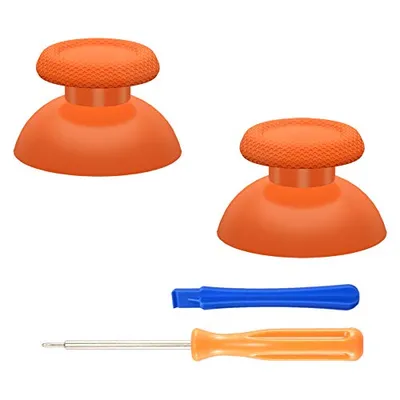
The DualSense controller, renowned for its haptic feedback and adaptive triggers, is also prone to wear. Analog stick drift, often caused by potentiometer degradation, is a widespread issue. Replacement kits, including new potentiometer modules or complete joystick assemblies, are available. Similarly, adaptive trigger mechanisms can fail. Repairing these requires meticulous desoldering and soldering skills for internal components, or careful disassembly for trigger button replacements, ensuring all delicate ribbon cables are handled with care to maintain full functionality.
External Shells and Plates
Customizable faceplates and shells offer aesthetic personalization. When selecting these, ensure they are designed for proper airflow, maintaining the console's critical ventilation pathways. Ill-fitting or poorly designed external components can obstruct air intake/exhaust, potentially compromising the console's thermal performance, especially during extended gaming sessions.
I/O Port Integrity
HDMI and USB port damage are common due to physical stress. Replacing these requires advanced soldering capabilities, often involving BGA (Ball Grid Array) or surface-mount components, and precise alignment. A faulty HDMI port can render the console unusable for display output, while compromised USB ports can hinder connectivity for controllers or external storage. Professional repair is often recommended for these critical interface components to ensure reliable data transmission and power delivery.