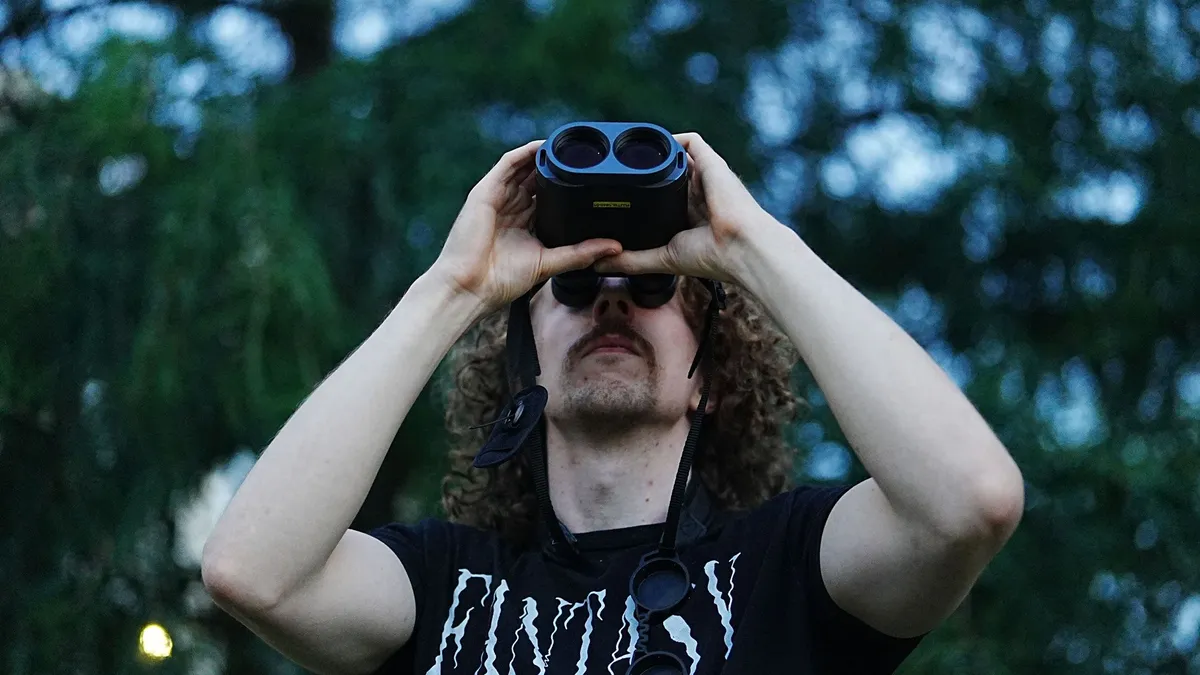
Maintaining a steady view through binoculars, especially at higher magnifications, can be challenging without external support like a tripod. Image-stabilized binoculars offer a sophisticated solution, using advanced technology to counteract hand-shake and provide clearer, more stable observations. This innovation, mirroring systems found in cameras and lenses, is increasingly available in binoculars, making high-magnification viewing accessible and enjoyable for enthusiasts of all levels.
From dedicated astronomers seeking to capture distant celestial bodies to wildlife observers aiming for crisp details of distant fauna, the benefits of image stabilization are profound. Modern image-stabilized binoculars range from beginner-friendly models to premium options for seasoned enthusiasts, offering a blend of optical excellence and user-friendly stabilization technology. Our testing has focused on durability, optical performance, and real-world usability across various conditions to identify the top performers in this specialized market.
Top Image-Stabilized Binoculars for Enhanced Viewing
The market for image-stabilized binoculars offers a range of options catering to different needs and budgets. After rigorous testing, several models stand out for their exceptional performance, optical quality, and effective stabilization. These binoculars are designed to minimize the inherent shake associated with higher magnifications, significantly improving the viewing experience for both terrestrial and astronomical observation.
Our evaluation criteria included the clarity and sharpness of the image, the effectiveness and intuitiveness of the image stabilization (IS) system, build quality and durability, and overall value for money. We considered factors like eye relief, field of view, and battery life, as well as specific features that cater to niche applications such as astronomy or all-weather use. The following binoculars represent the best available options for those seeking to elevate their observational pursuits.
The Best Image-Stabilized Binocular Overall
The Canon 10x42L IS WP binoculars are a premier choice, offering an outstanding balance of magnification, optical clarity, and robust image stabilization. They are particularly well-suited for astronomical observation, providing sharp, high-resolution images that are significantly enhanced by their advanced stabilization technology. This makes them ideal for prolonged viewing sessions, mitigating the fatigue that can arise from prolonged hand-holding.
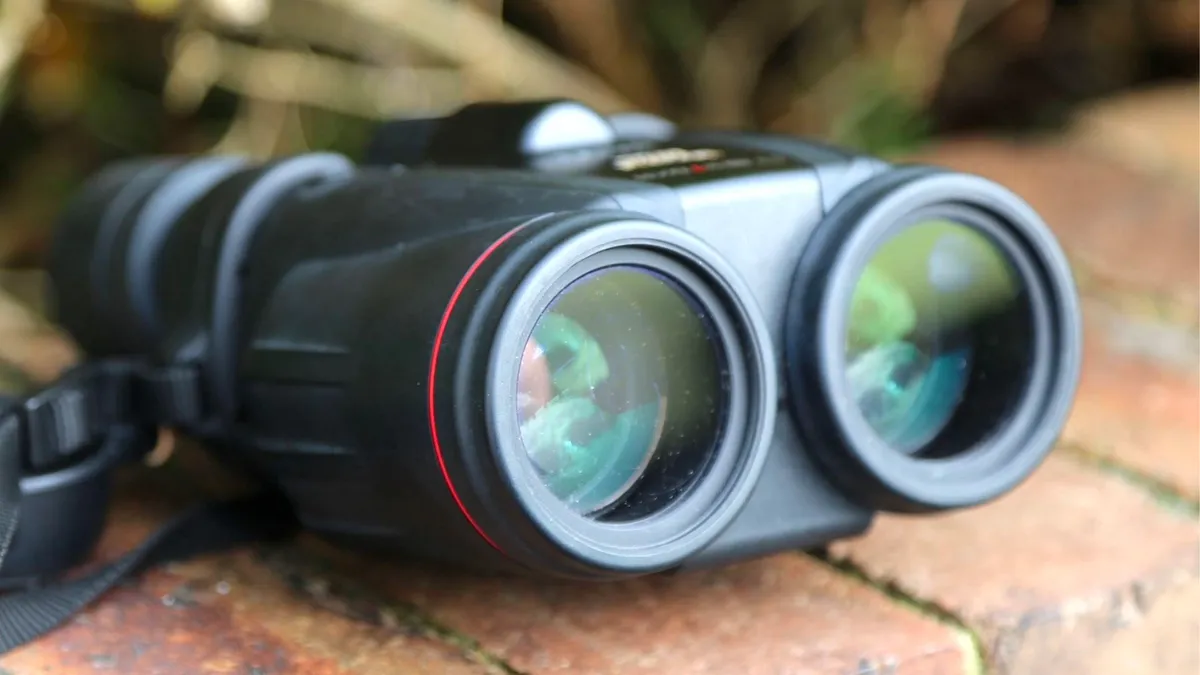
During extensive testing, these binoculars demonstrated exceptional optical performance with minimal chromatic aberration, a crucial factor for stargazing. Canon's Optical Image Stabilization (IS) system, powered by gyroscope motion sensors and a vari-angle prism, effectively corrects movements by up to 0.8 degrees. This technological prowess translates into a remarkably steady view, transforming shaky observations into clear, detailed images. Their rugged design also contributes to their durability, making them a reliable companion for outdoor adventures.
The Best Mid-Range Option
For those seeking a balance between advanced features and a more accessible price point, the Canon 12x36 IS III binoculars offer a compelling proposition. While slightly less powerful than the top-tier model, they retain the core benefits of Canon's image stabilization technology and deliver sharp, well-defined images. Their construction is solid, providing good durability for regular use.

These binoculars feature a field flattener lens, ensuring sharpness across the entire field of view. The integrated image stabilization is crucial for hand-held use, as it effectively counteracts shake, providing smooth visuals. While the rubber coating can be prone to marking and the battery compartment design could be improved, the overall performance, particularly the optical quality and stabilization, makes them a strong mid-range contender. Their minimal chromatic aberration further enhances their suitability for observing celestial objects.
Best for Magnification
The Fujifilm Fujinon Techno-Stabi TS-L 1640 binoculars excel in offering high magnification coupled with powerful image stabilization. With a 16x magnification, these binoculars bring distant subjects closer with impressive clarity. Their strong image stabilization system is particularly beneficial for high-magnification viewing, ensuring steady images even when observing from moving platforms or during extended sessions.
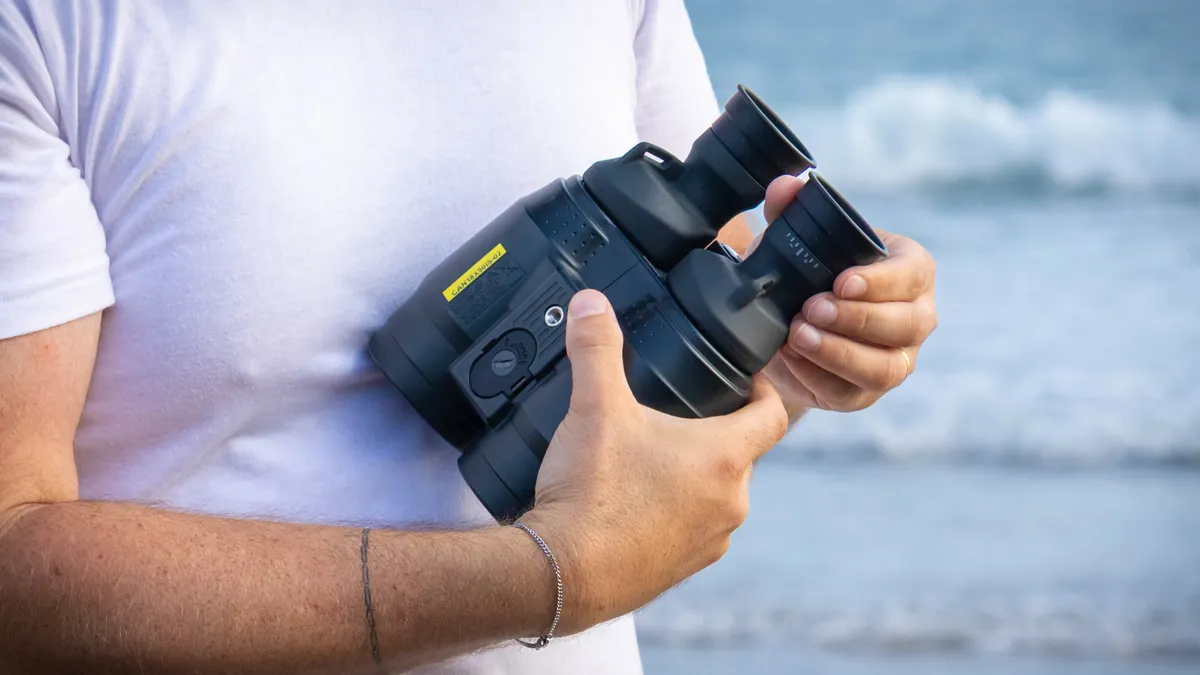
These binoculars are designed for demanding outdoor conditions, boasting an IPX7 waterproof rating that allows for submersion. The lightweight design, attributed to their roof prism construction, enhances portability. The intuitive image stabilization, controlled by a central dial, is highly effective, offering up to three degrees of correction. While the 40mm objective lenses are not ideal for extremely faint astronomical objects, their overall performance, clarity, and stabilization make them a top choice for those prioritizing magnification.
The Best Compact Option
Nikon's Stabilized 12x25 binoculars represent a significant advancement in compact image-stabilization technology. They offer Nikon's renowned optical quality in a noticeably smaller and lighter package compared to many competitors. This makes them an excellent choice for users prioritizing portability without sacrificing the benefits of image stabilization.
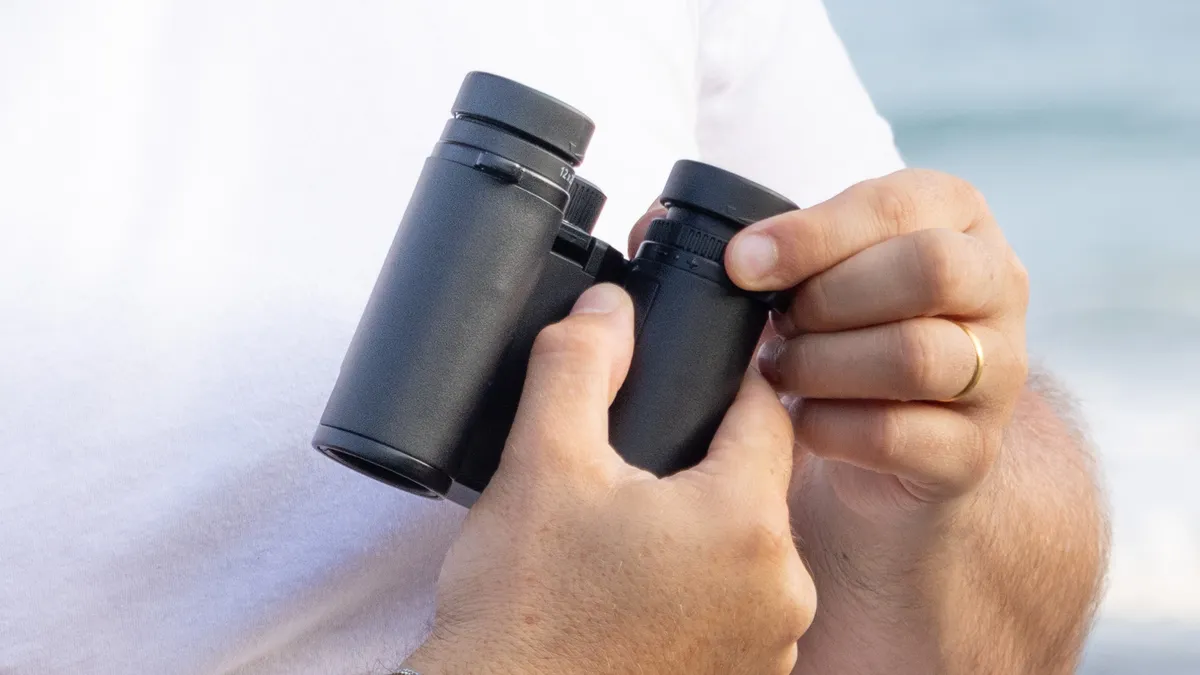
The compact dimensions and reduced weight of the Nikon 12x25 IS binoculars make them highly convenient for travel and everyday use. The image stabilization system is efficient, and the automatic shut-off feature helps conserve battery life. While the darker views and the quality of the battery latch are minor drawbacks, their overall performance and portability secure their position as the best compact option. They provide a good balance for those who want advanced features in a pocket-friendly design.
Best for Image-Stabilization
The Fujifilm Fujinon Techno-Stabi TS-L 1640 binoculars once again stand out in this category, praised for their exceptionally strong image stabilization capabilities. Offering up to three degrees of stabilization, they provide some of the smoothest handheld viewing experiences available, effectively eliminating hand-shake and enhancing detail observation.
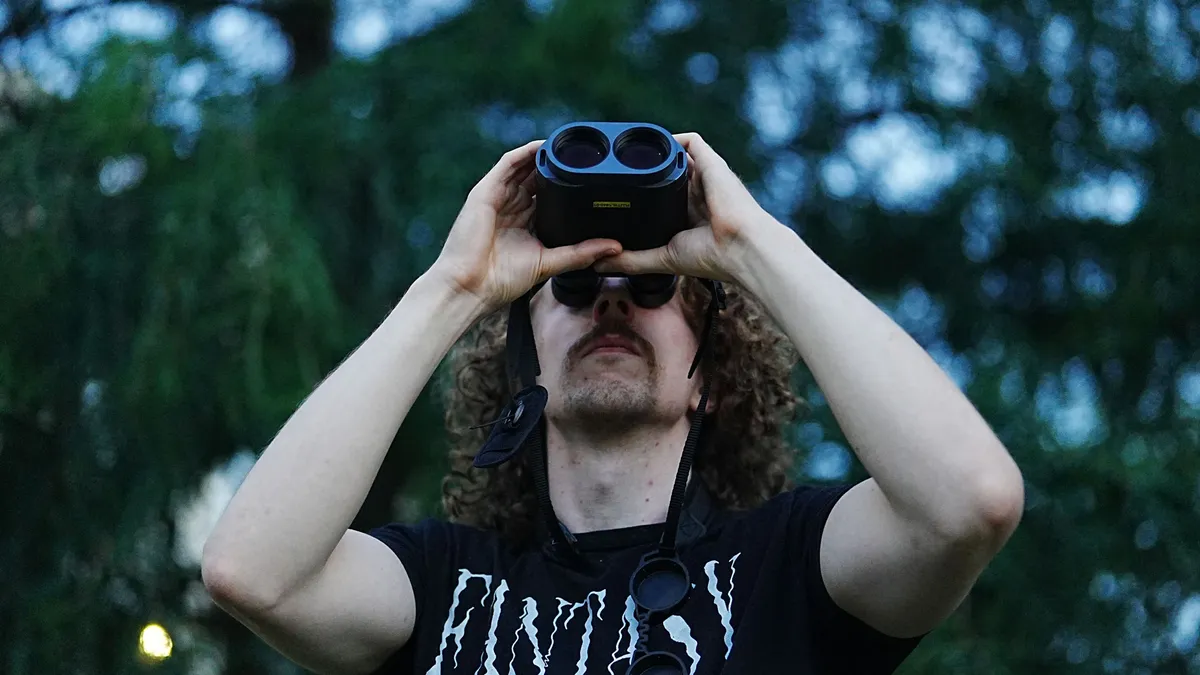
These binoculars are engineered for extreme conditions, featuring a robust IPX7 waterproof rating and impressive battery life. The combination of high magnification (16x) and superior stabilization makes them highly effective for both astronomical and terrestrial applications. While the objective lenses are on the smaller side for dedicated deep-sky observation, their overall performance, durability, and stabilization technology make them a top recommendation for anyone needing the steadiest possible view.
Best Value for Money
The Canon 10x20 IS binoculars emerge as a strong contender for best value, providing a solid 10x magnification with effective image stabilization at a more accessible price point. Their compact and lightweight design further enhances their appeal for users who need portability.
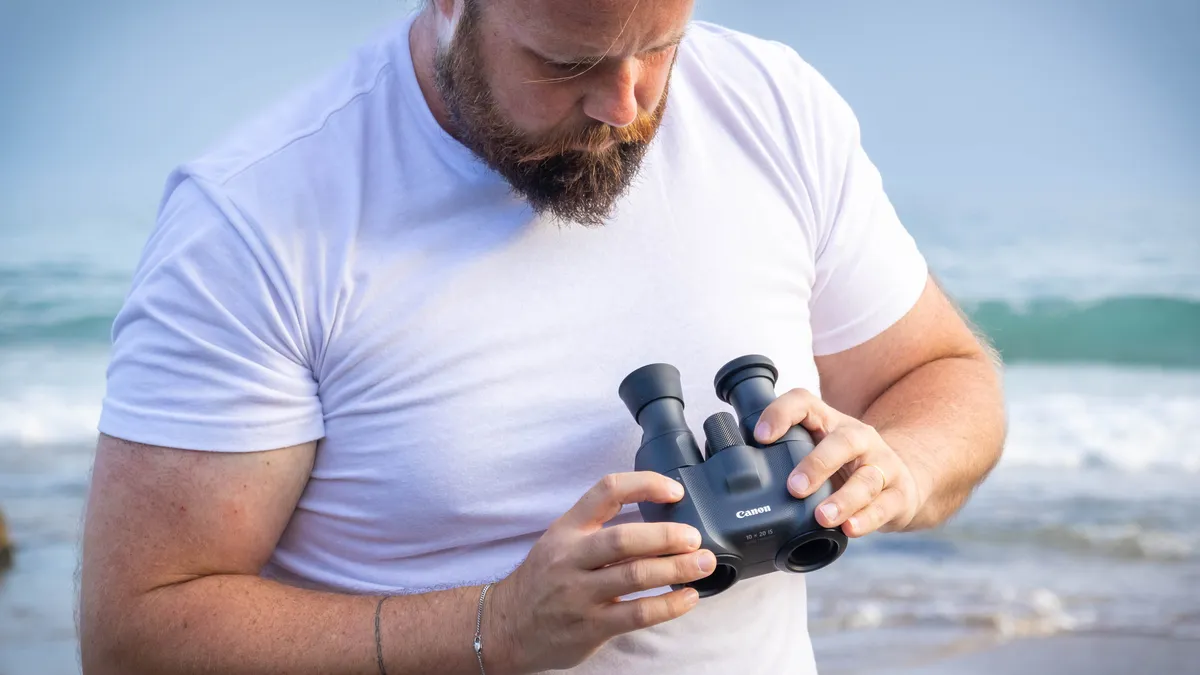
These binoculars deliver good image stabilization, making observations steadier and more enjoyable, especially for casual stargazing or wildlife spotting. While the 20mm objective lenses limit light transmission, making them less ideal for faint celestial objects, their affordability and the quality of the IS system offer significant value. The user-friendly design and smooth focus wheel add to their overall appeal, making them a recommended choice for budget-conscious buyers seeking stabilized viewing.
Best for Wide-Field Observation
The Canon 8x20 IS binoculars are a standout choice for wide-field observation, offering impressive image stabilization in a notably lightweight and compact package. Their 8x magnification and wide field of view make them excellent for observing constellations, broader celestial events, and terrestrial subjects where context and sweeping views are important.

These binoculars provide a clear and stable viewing experience, enhanced by Canon's reliable image stabilization technology. Their compact porro prism design contributes to their light weight and comfortable handling. While the smaller objective lenses limit their performance in low-light conditions for detailed astronomical work, they are superb for general stargazing and terrestrial use where their wide field of view and stabilization are most beneficial. The attractive design and user-friendly controls further solidify their position in this category.
How to Choose the Best Image-Stabilized Binoculars for You
Selecting the ideal image-stabilized binoculars hinges on your specific needs, primarily magnification, optical quality, and budget. For general stargazing and viewing constellations, 8x or 10x magnification with 20-30mm objective lenses typically suffices, offering a good balance of stability and field of view. However, for detailed observation of the moon's surface, planets, or fainter deep-sky objects, higher magnifications (12x or more) and larger objective lenses (40mm or greater) are recommended to gather more light and resolve finer details.
Consider the intended use environment. If you plan to use the binoculars in challenging weather conditions, prioritize models with robust waterproofing and fogproofing. For travel and portability, compact and lightweight designs are essential. The effectiveness and ease of use of the image stabilization system itself is paramount, especially at higher magnifications, so look for intuitive controls and sustained stabilization performance. Finally, balance these features against your budget, as higher magnification, larger lenses, and advanced weatherproofing often come at a premium price.
How We Tested the Best Image-Stabilized Binoculars
Our testing process involved a comprehensive evaluation of each image-stabilized binocular model over an extended period, typically two weeks. We assessed their performance across various observational scenarios, including stargazing under different sky conditions (from Bortle class 3 to 6) and daytime terrestrial observations such as birdwatching. Key astronomical targets included bright stars like Vega and Aldebaran, planets like Jupiter, star clusters such as the Pleiades and Alpha Persei, and the Orion Nebula (M42).

During testing, we meticulously examined optical clarity, looking for chromatic aberration (color fringing) and coma, which can degrade image quality, particularly around bright objects or at the edges of the field of view. The effectiveness and intuitiveness of the image stabilization (IS) system were rigorously tested by quickly switching between targets, assessing the stability and clarity achieved with the IS engaged. We also evaluated user-friendliness, focusing on ergonomic design, ease of focus adjustment, battery life, portability, and performance in varied weather conditions, including water resistance.