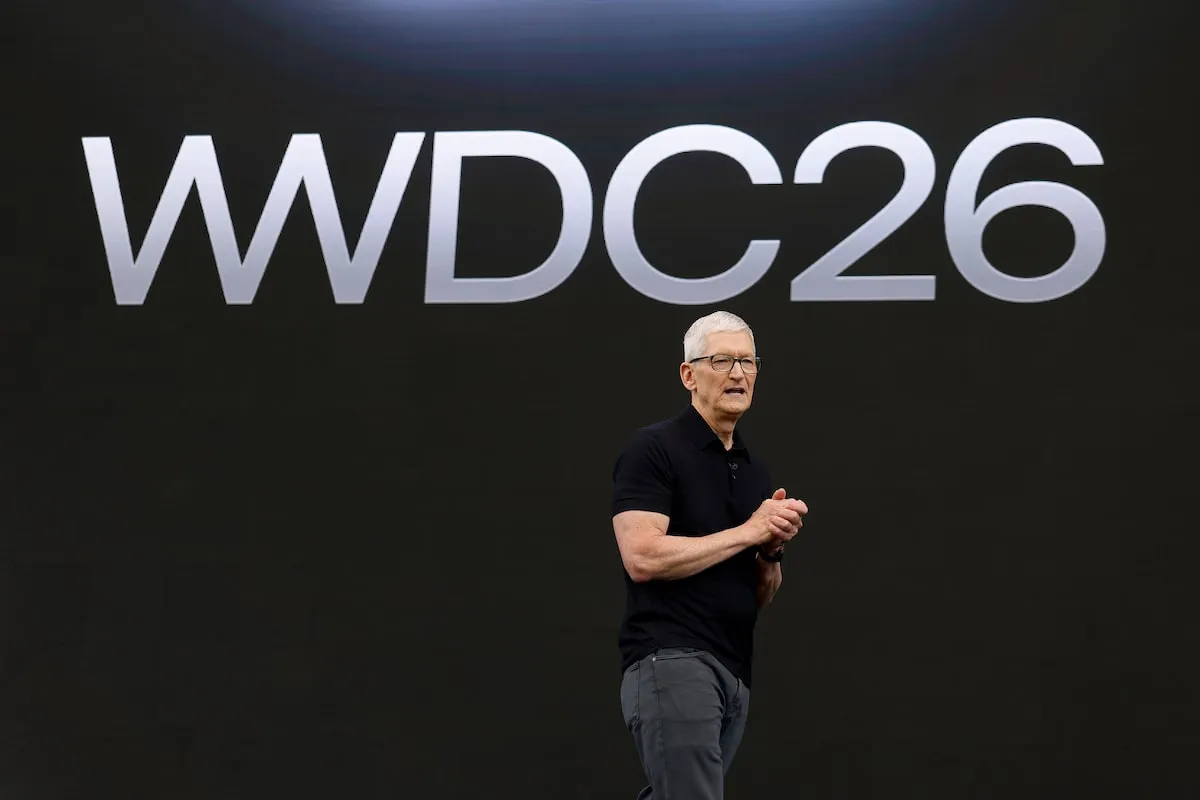
Apple has officially entered a new phase of artificial intelligence integration with the announcement of "Siri AI" at its annual Worldwide Developers Conference (WWDC). This significant overhaul of its long-standing voice assistant, Siri, aims to bridge the gap with AI competitors by introducing more advanced capabilities, improved natural language understanding, and deeper integration across Apple's ecosystem. The company has been working on this transformative update for the past two years, signaling a strategic shift towards a more AI-centric future for its products.
The new "Siri AI" promises a more intuitive and helpful user experience, moving beyond simple command execution to become a proactive assistant. Key to this evolution is Siri's enhanced ability to understand context, analyze on-screen information, and access a vast repository of general knowledge, including real-time web information. This expansion of capabilities is designed to make Siri a more capable and indispensable tool for users navigating their digital lives.
Apple Intelligence: A Deep Dive into the New Siri Capabilities
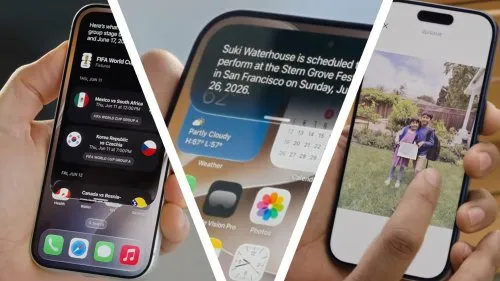
At the heart of this transformation is what Apple terms "Apple Intelligence," a suite of AI-driven features designed to be deeply integrated into the user experience. Siri AI will now be able to analyze visual content on the screen, providing contextually relevant information and assistance. This is coupled with an expanded knowledge base that allows Siri to consult the web for more comprehensive answers. Furthermore, the ability to recall information from previous conversations and extract specific details, such as contact information embedded within messages, represents a significant leap in contextual awareness.
Craig Federighi, Apple's senior vice president of software engineering, emphasized the company's philosophy: "Truly helpful AI must be centered around you and your needs." He elaborated that this vision translates to integrating AI seamlessly into everyday products, grounding it in personal context and the applications users rely on, all while upholding Apple's commitment to privacy. This patient, user-focused approach to AI development aims to differentiate Apple in a rapidly evolving technological landscape.
Enhanced Conversational Abilities and Multimodal Understanding
One of the most striking upgrades to Siri is its improved voice recognition and a more expressive, conversational tone. This evolution aims to make interactions feel more natural and less robotic. The assistant's capacity to understand and respond to complex, nuanced queries is a critical development, particularly as AI chatbots like OpenAI's ChatGPT and Google's Gemini gain prominence. Apple's goal is to reclaim Siri's position as a leading voice assistant by enhancing its core functionality and making it more engaging for users.
Beyond voice, Siri AI will leverage multimodal understanding, capable of processing not just spoken commands but also information presented visually on the device screen. This opens up new avenues for assistance, such as identifying objects or providing information based on images. The integration of these advanced features is poised to redefine user interaction with Apple devices, making them more responsive to a wider range of user needs and scenarios.
Privacy, Personalization, and Ecosystem Integration
Apple's strategy with Siri AI places a strong emphasis on user privacy, a long-standing cornerstone of its brand identity. The company asserts that AI processing will be handled with privacy as a paramount concern, utilizing its own secure cloud infrastructure and on-device processing where feasible. This approach aims to build user trust, especially as AI capabilities become more intrusive in personal data management.
The personalization aspect of Siri AI is also a key differentiator. By integrating deeply with the user's personal context, including data from apps and messages, Siri can offer tailored assistance. Features like recalling an address from a message, even if not explicitly saved, exemplify this personalized approach. This deep integration across the Apple ecosystem—iPhone, iPad, and Mac—ensures a consistent and powerful AI experience regardless of the device being used.
Global Rollout and Regulatory Considerations
The rollout of Siri AI will be phased, beginning with English language support and gradually expanding to other languages. However, Apple has noted that initial availability will exclude the European Union on iPhones and iPads, and mainland China entirely, due to ongoing regulatory reviews and compliance efforts. These regional exclusions highlight the complexities of deploying advanced AI technologies in diverse legal and market environments.
The company also announced updates to its iOS 27 operating system, ensuring compatibility with a wide range of iPhone models, including the iPhone 11. The next version of macOS will be christened "Golden Gate." These software updates underscore Apple's commitment to continually enhancing its product lines and extending the lifespan of its existing devices through advanced features.
Child Safety and Parental Controls Updates
In parallel with AI advancements, Apple reinforced its commitment to child safety by introducing enhanced parental controls. These updates include default restrictions on app access, requiring parental permission for children to access new websites through an "ask to browse" feature, and automated blurring of potentially disturbing imagery in messaging applications, building upon existing nudity detection tools. These features are developed in collaboration with organizations like the American Academy of Pediatrics, reflecting a comprehensive approach to digital well-being for younger users.
The company's proactive stance on child safety, integrated with its broader AI strategy, demonstrates a commitment to responsible technology development. By embedding safety features at the operating system level, Apple aims to provide parents with greater tools to manage their children's digital experiences while navigating the evolving landscape of online content and communication.
Impact Analysis
Apple's strategic move with "Siri AI" and "Apple Intelligence" is a crucial step in reasserting its competitive stance in the AI arena. While competitors have advanced rapidly, Apple's focus on deep integration, user privacy, and leveraging its existing hardware capabilities presents a unique value proposition. The company's ability to run AI tasks directly on devices, coupled with its vast user data, provides a powerful foundation. However, navigating regulatory hurdles and ensuring a seamless global rollout will be critical for the long-term success of this initiative. The success of this overhaul will significantly influence Apple's market position and its ability to maintain user loyalty in the age of AI.