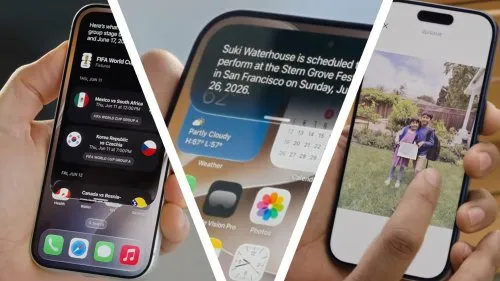
Apple kicked off its annual Worldwide Developers Conference (WWDC) 2026 with a significant showcase of artificial intelligence integration across its ecosystem. The event, widely anticipated by tech enthusiasts and industry analysts, revealed a comprehensive overhaul of its operating systems, with a particular emphasis on enhancing user interaction through an advanced AI assistant and new software features designed for iPhone, iPad, Mac, and Apple Watch.
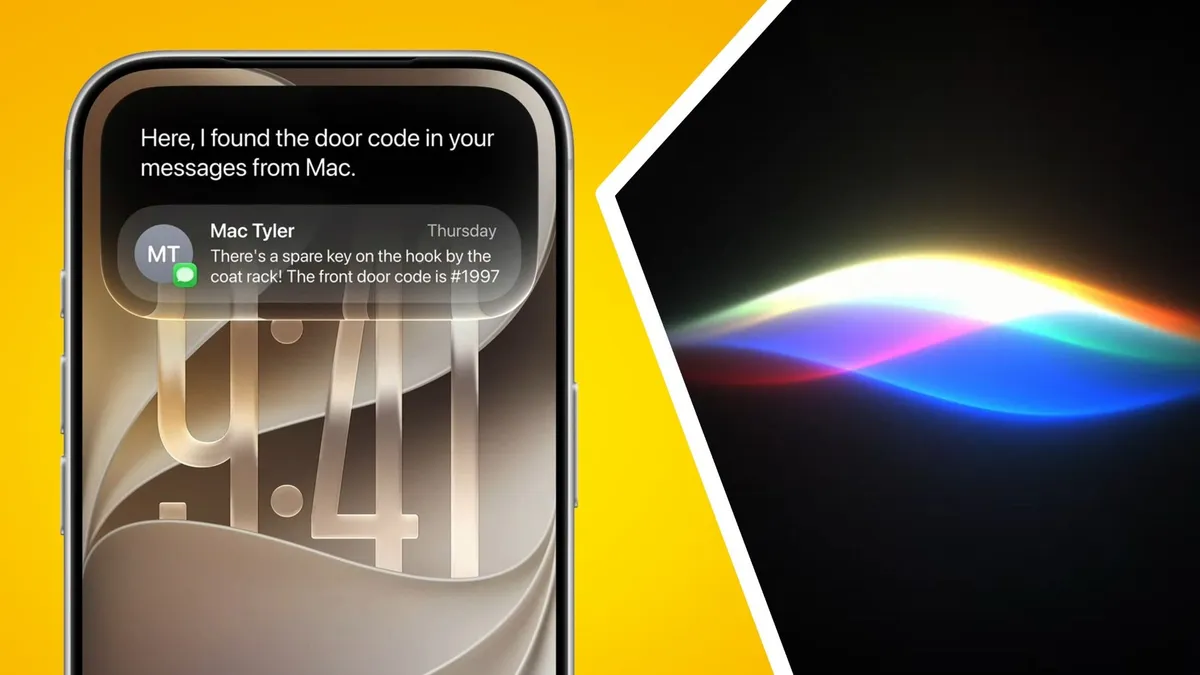
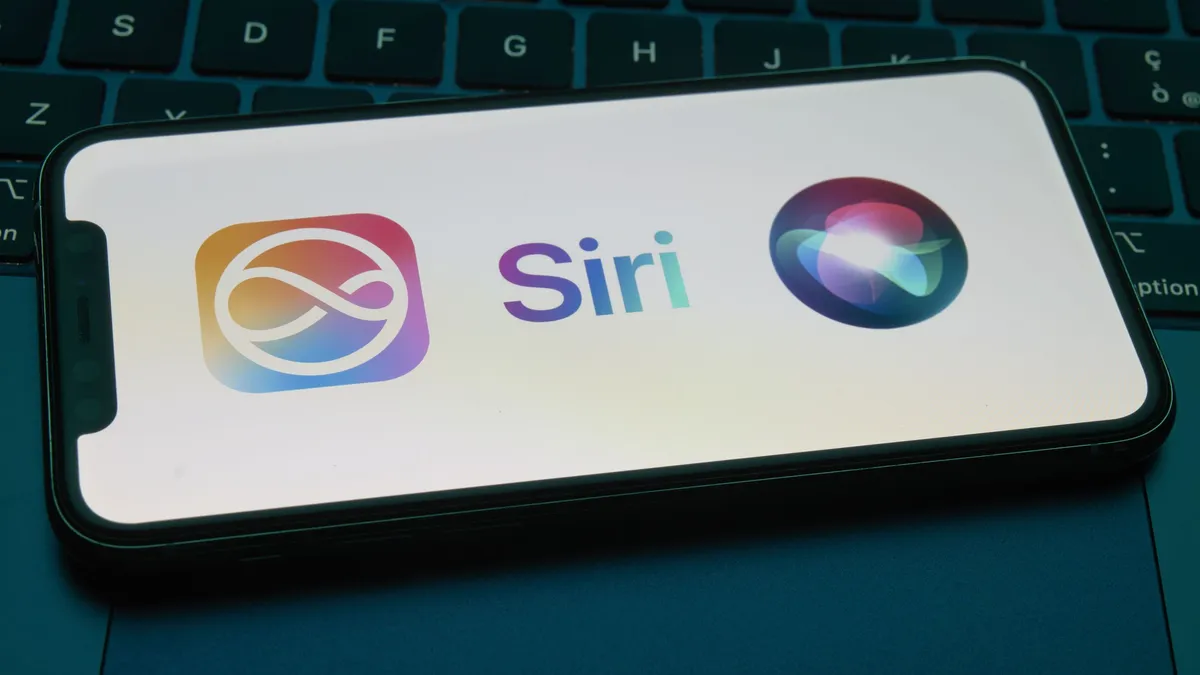
The headline announcement was the unveiling of a dramatically improved Siri, now powered by sophisticated AI capabilities. This next-generation Siri promises more conversational interactions, enhanced contextual understanding, and a deeper integration with users' personal data and daily lives, positioning it as a formidable competitor to existing AI assistants like ChatGPT. Beyond Siri, Apple detailed a raft of new functionalities across iOS 27, iPadOS 27, macOS, and watchOS, signaling a strong commitment to leveraging AI for a more intuitive and personalized user experience.
WWDC 2026: Keynote Highlights and AI Integration
The WWDC 2026 keynote, marking a significant transition for the company, served as the platform for Apple to demonstrate its forward-looking strategy. The introduction of a new AI-driven Siri marks a pivotal moment, moving beyond simple command-response interactions to a more proactive and intelligent digital assistant. This AI aims to understand complex requests, offer proactive suggestions, and manage tasks more efficiently, drawing from a user's history and preferences.
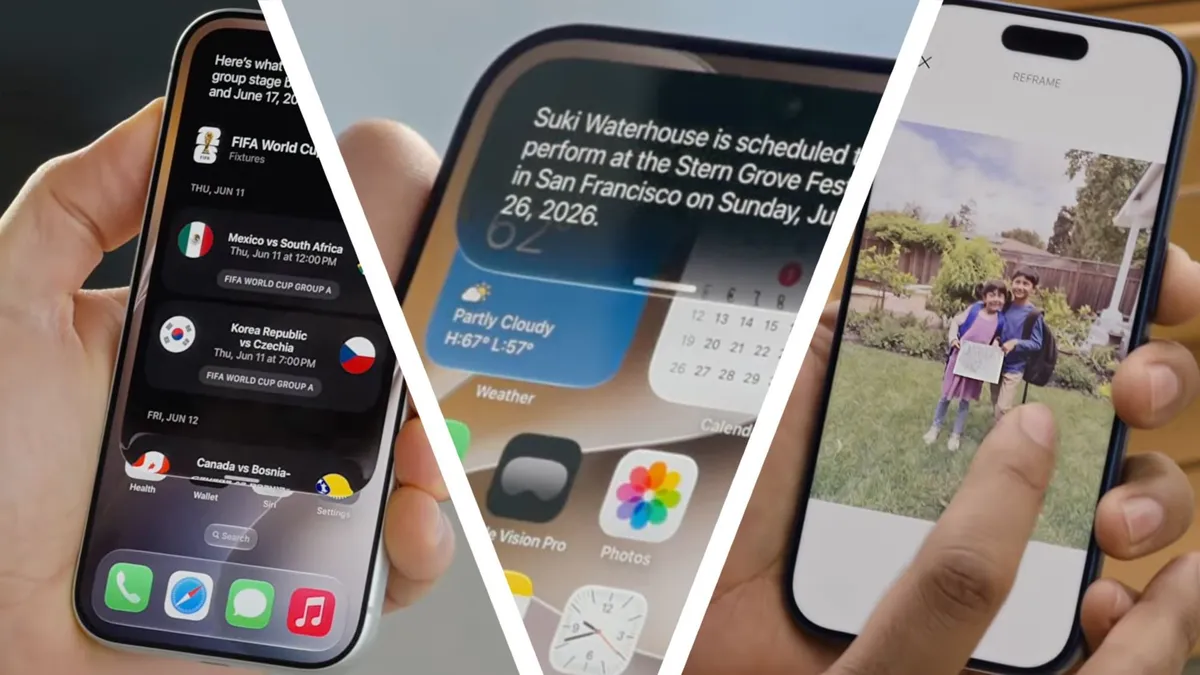
The company detailed how this AI integration will manifest across its device range. iOS 27 will feature enhanced personalization options and more intelligent notification management, all driven by on-device AI processing for enhanced privacy. Similarly, iPadOS 27 will introduce new multitasking capabilities and refined productivity tools, augmented by AI that assists in content creation and organization.
iOS 27 and Enhanced iPhone Features
iOS 27 introduces a suite of features designed to streamline user experience and integrate AI more seamlessly. The operating system promises improved photo editing capabilities powered by AI, smarter text prediction, and more intuitive app management. The enhanced Siri, a core component of this update, will offer improved voice recognition and a broader knowledge base, capable of handling more complex queries and providing contextually relevant information.
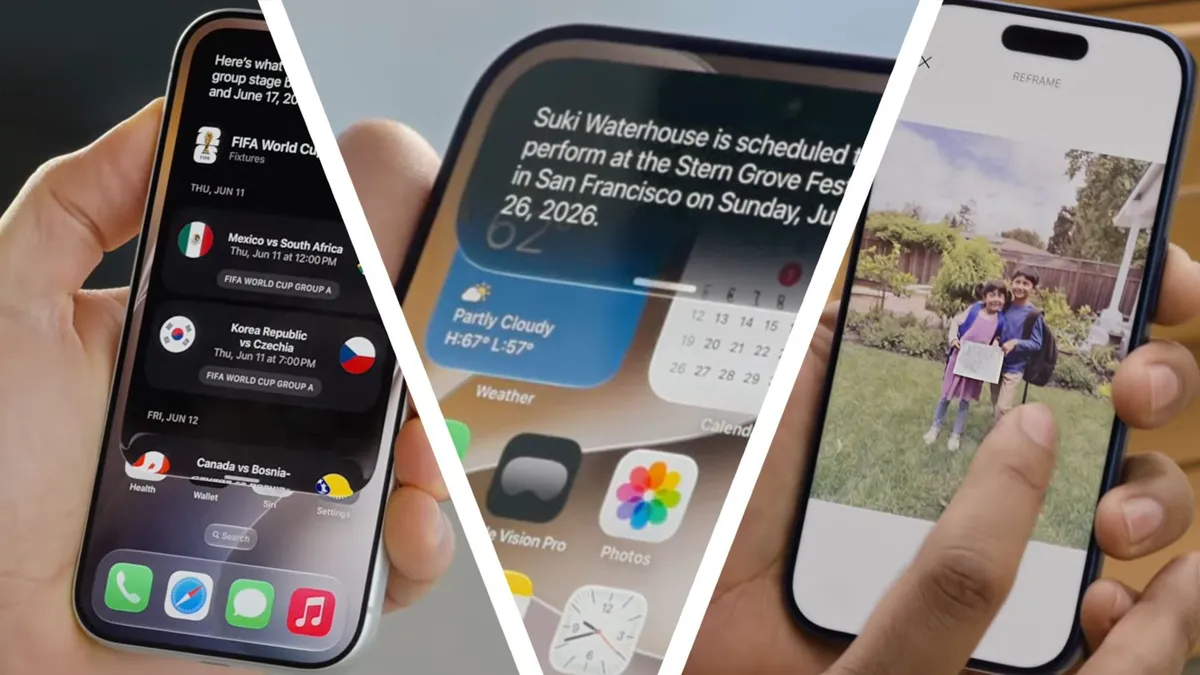
Significant updates are also expected for the iPhone's core applications, with AI enhancements planned for Messages, Mail, and Safari, aiming to provide users with more efficient communication and browsing experiences. Apple's focus on on-device processing for many of these AI features underscores its commitment to user privacy, ensuring that sensitive data remains on the device.
iPadOS 27 and Productivity Enhancements
For the iPad, iPadOS 27 is set to redefine productivity with AI-powered tools. Users can expect more advanced features for content creation, including intelligent editing assistance for video and audio production, and improved note-taking capabilities that can summarize and organize information automatically. The integration of the new Siri on iPadOS is designed to facilitate multitasking, allowing users to manage apps and workflows with greater ease.
Apple also highlighted advancements in display technology and user interface design for the iPad, with AI playing a role in optimizing display performance and user interaction based on ambient conditions and usage patterns. Developers will gain access to new frameworks that leverage these AI capabilities, enabling them to build more sophisticated and intelligent applications for the platform.
watchOS 27 and Apple Watch Evolution
The Apple Watch ecosystem receives a notable upgrade with watchOS 27, focusing on health, fitness, and seamless connectivity. AI will enhance the accuracy of health tracking metrics, provide more personalized fitness coaching, and improve battery management. The new Siri will also be accessible on the Apple Watch, offering quick access to information and device controls directly through voice commands.
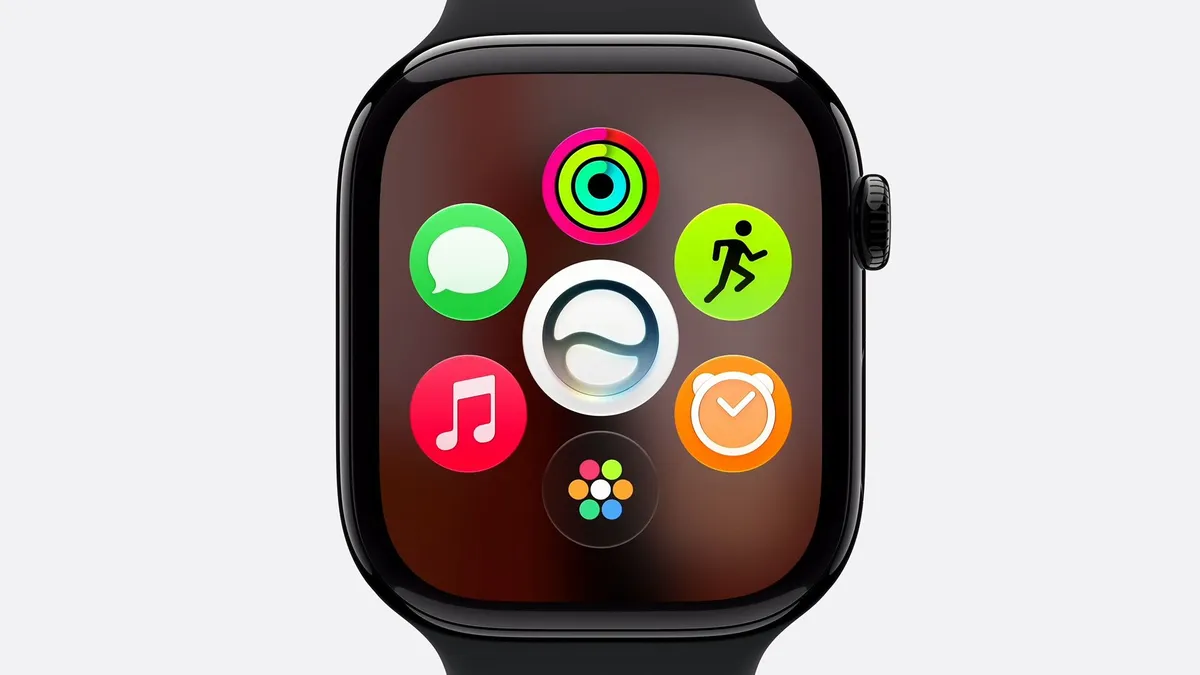
Compatibility for watchOS 27 was also a point of discussion, with Apple confirming device requirements for the new software update. Certain older models, including some Apple Watch iterations, may not support the latest OS, reflecting the increasing demands of advanced AI features on hardware capabilities.
macOS and AI-Driven Computing
On the Mac, macOS is set to receive substantial AI enhancements, streamlining workflows and improving system performance. Users can anticipate AI-assisted content creation tools, more intelligent system management features, and a deeply integrated AI-powered Siri. This move signifies Apple's strategy to bring its AI advancements to its most powerful computing platform.
Apple also announced a shift in hardware support for macOS, indicating a move away from Intel processors. Future versions of macOS will be optimized exclusively for Apple Silicon, marking the end of support for older Intel-based Macs and MacBooks. This strategic decision allows for deeper hardware-software integration and optimization of AI features.
Developer Ecosystem and Future Outlook
WWDC 2026 also provided developers with new tools and APIs to harness the power of Apple's AI. The company emphasized its commitment to fostering an ecosystem where AI enhances user privacy and security, with a focus on on-device processing. The introduction of custom EQ for AirPods, a long-requested feature, also signals Apple's attention to user feedback and iterative improvement of its product offerings.

The overall theme of WWDC 2026 pointed towards a future where AI is not an add-on but an intrinsic part of the computing experience, designed to be both powerful and accessible. The announcements set the stage for the next generation of Apple devices and software, promising a more intelligent, personalized, and interconnected digital life for its users.
Impact Analysis
Apple's aggressive integration of AI across its entire product line at WWDC 2026 represents a significant strategic pivot. By enhancing Siri and embedding AI into core operating system functions, Apple aims to regain a competitive edge in the AI race, directly challenging rivals like Google and Microsoft. The emphasis on on-device processing for AI tasks, while potentially limiting some cloud-intensive features, strongly reinforces Apple's brand promise of user privacy and security, a key differentiator in the current tech landscape. This move is expected to drive hardware upgrades, particularly as older devices, including Intel-based Macs and certain Apple Watch models, are phased out of support for the latest AI-enhanced operating systems. The focus on developer tools for AI will also foster a new wave of intelligent applications, further entrenching Apple's ecosystem.