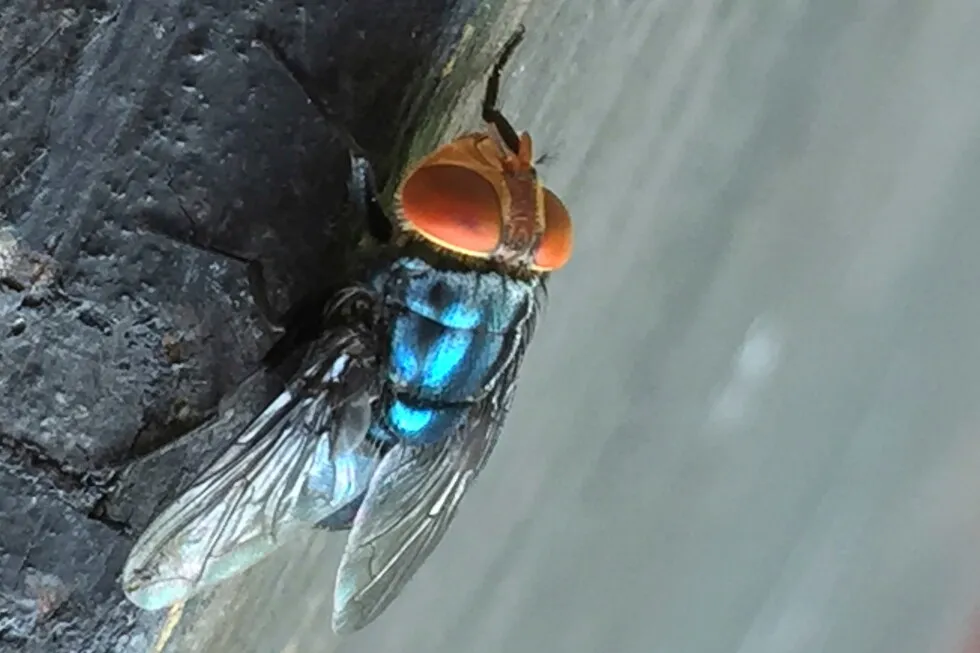
The persistent threat of the New World screwworm, a parasitic fly larva that feeds on live flesh, has expanded beyond its initial detection zone in Texas, with new cases confirmed in New Mexico and an additional Texas county. This development intensifies concerns within the agricultural sector about the potential impact on livestock and the challenges in containing the pest.
The U.S. Department of Agriculture (USDA) confirmed the latest findings, bringing the total number of identified cases to four. The outbreak, which had been largely suppressed in the United States since the 1960s, highlights the ongoing efforts required to manage invasive species and protect animal health. The USDA's strategy involves a complex program of breeding and releasing sterile male flies to disrupt the reproductive cycle of wild screwworm populations.
New Cases and Geographic Spread
The most recent confirmations include a dog in Lea County, New Mexico, and a third calf in Texas, located in La Salle County. These cases, along with the two initial calf infections in south Texas reported last week, underscore the difficulty in completely eradicating the screwworm once it establishes a foothold. The investigation into the New Mexico dog's travel history is a critical step in understanding how the parasite might be moving between regions.
Scientists acknowledge that a few more cases may emerge in the immediate future as vigilance increases and more thorough inspections are conducted. Dr. Edward Burgess, an entomologist at the University of Florida specializing in screwworm flies, noted that heightened awareness often leads to a greater detection rate. The primary concern remains the potential for widespread infestation during warmer months, as the screwworm thrives in humid, warm conditions.
Containment Strategies and Challenges
The USDA's primary method for controlling screwworm infestations relies on a long-term strategy of producing sterile male flies. These sterile males are then released into affected areas to mate with wild females. Because screwworm females mate only once, such encounters prevent the viable reproduction of the pest, theoretically leading to the eradication of local populations over time. This method has proven effective in the past, notably in containing the pest in southern Panama for decades.
However, scaling up sterile fly production and deployment presents significant logistical and temporal challenges. The USDA is actively working to increase production capacity at facilities both domestically and internationally, while also planning for a large-scale fly-breeding facility in Texas. This initiative is crucial for establishing a robust defense against potential outbreaks.
Economic and Agricultural Impact
While the detection of screwworm raises alarm bells for the cattle industry, current impacts on beef prices have been minimal. Prices are already elevated due to a reduced national herd size. Fortunately, the screwworm parasite targets live animals and does not infest meat products. Furthermore, effective treatments for livestock are available, and the primary risk lies in the wounding and suffering of infested animals, as well as potential economic losses from reduced productivity and the cost of treatment.
The USDA Secretary, Brooke Rollins, has scheduled a press conference to address the situation, following a briefing at the U.S. Livestock Insects Research Laboratory in Kerrville, Texas. This highlights the seriousness with which federal authorities are treating the reappearance of the pest. The involvement of such high-level officials underscores the potential threat to the nation's agricultural economy, which is a significant contributor to the U.S. GDP.
Differing Approaches to Control
The urgency of the situation has led to differing opinions on the most effective containment methods. Texas Agriculture Commissioner Sid Miller has expressed concerns that the federal sterile fly program may not be fast enough, advocating for the use of a poison bait. However, experts and the USDA question the efficacy and safety of such bait, citing potential risks to non-target species, including beneficial insects, other wildlife, and even humans. The debate underscores the complex balance between swift action and scientifically proven, environmentally sound pest control measures.
The current strategy emphasizes long-term eradication through sterile insect technique, acknowledging that this process requires significant time and resources. The USDA is also collaborating with international partners and investing in domestic infrastructure to bolster its capacity to combat this persistent agricultural threat. The focus remains on preventing widespread damage to the nation's vital cattle industry through continued monitoring, research, and strategic interventions.