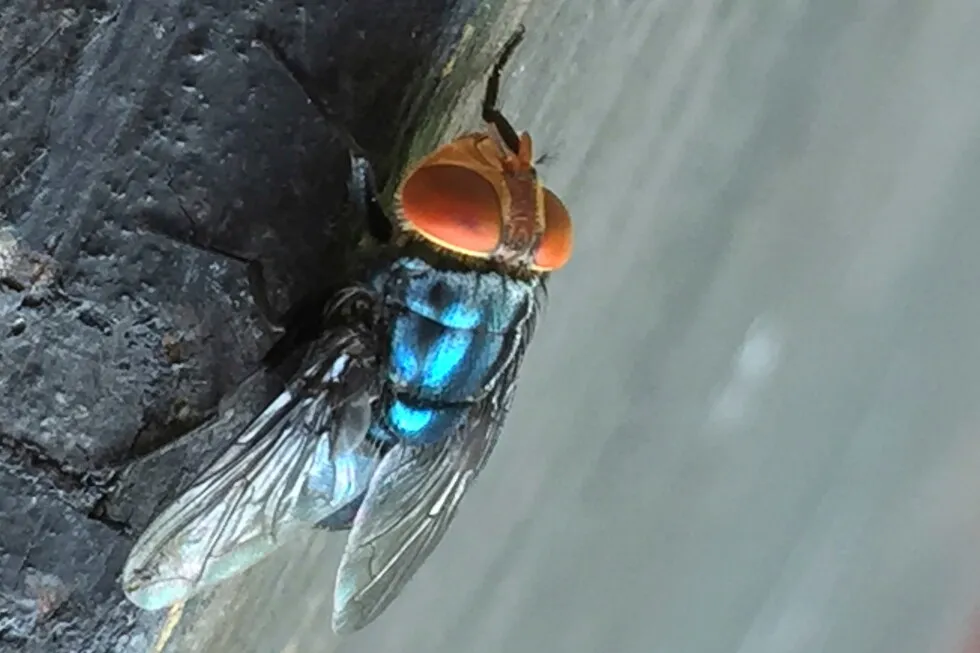
Texas agriculture is grappling with a resurgence of the New World screwworm, a parasitic fly larva that afflicts livestock, raising concerns about animal welfare and the beef supply chain. The recent outbreak, primarily affecting cattle in South Texas, has prompted significant state-level responses, including disaster declarations for affected counties and directives for sterile fly releases. The U.S. Department of Agriculture (USDA) has been urged to deploy its established sterile insect technique, a method successfully used to eradicate screwworm in the United States decades ago. This technique involves releasing large numbers of sterilized male flies to mate with wild females, thereby preventing the emergence of new larvae and controlling the pest population.
The reappearance of this parasite, which was last declared eradicated from the U.S. in the 1960s, has ignited a political debate regarding its origin and the effectiveness of current border and agricultural security measures. While some officials attribute the outbreak to the nation's border policies, citing the parasite's migration patterns through Mexico, others point to potential implications of recent budget cuts affecting international agricultural and disease control programs. The economic impact could be substantial, with potential disruptions to the beef supply and increased costs for ranchers already facing market volatility.
Screwworm Outbreak and Agricultural Concerns
Understanding the New World Screwworm
The New World screwworm, scientifically known as *Cochliomyia hominivorax*, is not a worm but the larval stage of a specific type of fly. These flies are attracted to the wounds of warm-blooded animals, where they lay their eggs. Upon hatching, the larvae burrow into the living flesh of the host, feeding on its tissue and causing severe damage. This parasitic infestation can be fatal if left untreated, leading to significant distress and economic loss for livestock producers. The historical eradication efforts in the U.S. relied on a massive collaborative undertaking involving the release of millions of sterile male flies, demonstrating the effectiveness of this biological control method when adequately supported and implemented.
The screwworm was previously eradicated in the United States in the 1960s. Now farmers are worried the outbreak could interrupt the food supply and drive up already high beef prices. The USDA Agricultural Research Service has historically played a crucial role in monitoring and controlling such agricultural pests. The re-emergence of the screwworm underscores the need for continuous vigilance and robust programs to prevent the re-establishment of such damaging organisms within U.S. borders.
Political Discourse Surrounding the Outbreak
Agriculture Secretary Brooke Rollins has publicly linked the current screwworm infestation to the current administration's border policies, suggesting a direct correlation between immigration patterns and the parasite's reintroduction. This perspective frames the outbreak as a consequence of inadequate border security and the perceived failure to control the movement of pests alongside migratory flows. The argument posits that the parasite, which reappeared in Mexico in 2023, has subsequently moved northward into the United States due to these border conditions.
However, this narrative has been met with skepticism and alternative explanations. Critics and some analysts suggest that the screwworm's resurgence may be more closely tied to significant budget cuts impacting international development and agricultural disease control programs, particularly those coordinated by agencies like the U.S. Agency for International Development (USAID). These cuts, some of which have been linked to efforts to streamline federal spending, could have reduced the capacity for early detection and preventative measures at the U.S.-Mexico border and in neighboring countries, thereby creating an environment where such outbreaks could re-emerge and spread more easily. Laura Loomer, a far-right commentator, has also amplified the narrative linking the screwworm to immigration, using terms like "weaponized migration" to describe the situation.
Budgetary Implications and Control Measures
The effectiveness of screwworm eradication relies heavily on sustained funding for research, monitoring, and the production and release of sterile flies. Reports indicate that recent federal budget adjustments may have impacted programs designed for animal disease control and prevention, including those specifically aimed at combating the screwworm. These programs have historically supported international investigations, laboratory capacity building, and outbreak response efforts, playing a vital role in preventing the transborder spread of agricultural pests and diseases.
The potential reduction in funding for such critical initiatives raises questions about the preparedness of agricultural systems to face renewed threats. Governor Greg Abbott of Texas has taken proactive steps by issuing disaster declarations for Zavala and Uvalde counties, authorizing the release of sterile flies as a critical intervention measure. This state-level action highlights the urgency of the situation and the need for coordinated efforts between federal, state, and international partners to effectively manage and ultimately eradicate the screwworm infestation.
Impact Analysis
The reappearance of the New World screwworm in Texas presents a multifaceted challenge. Beyond the immediate threat to livestock health and the agricultural economy, the outbreak has become a focal point for political discourse on border security and governmental priorities. The debate over the root causes—whether attributed to immigration policies or budgetary decisions affecting disease control—underscores the complex interplay between public health, international relations, and domestic agricultural policy. Effective management will require not only scientific intervention, such as sterile fly releases, but also a clear understanding of the factors contributing to the pest's resurgence and a commitment to robust, well-funded preventative strategies that bridge political divides.