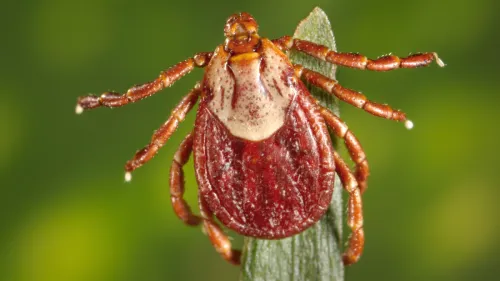
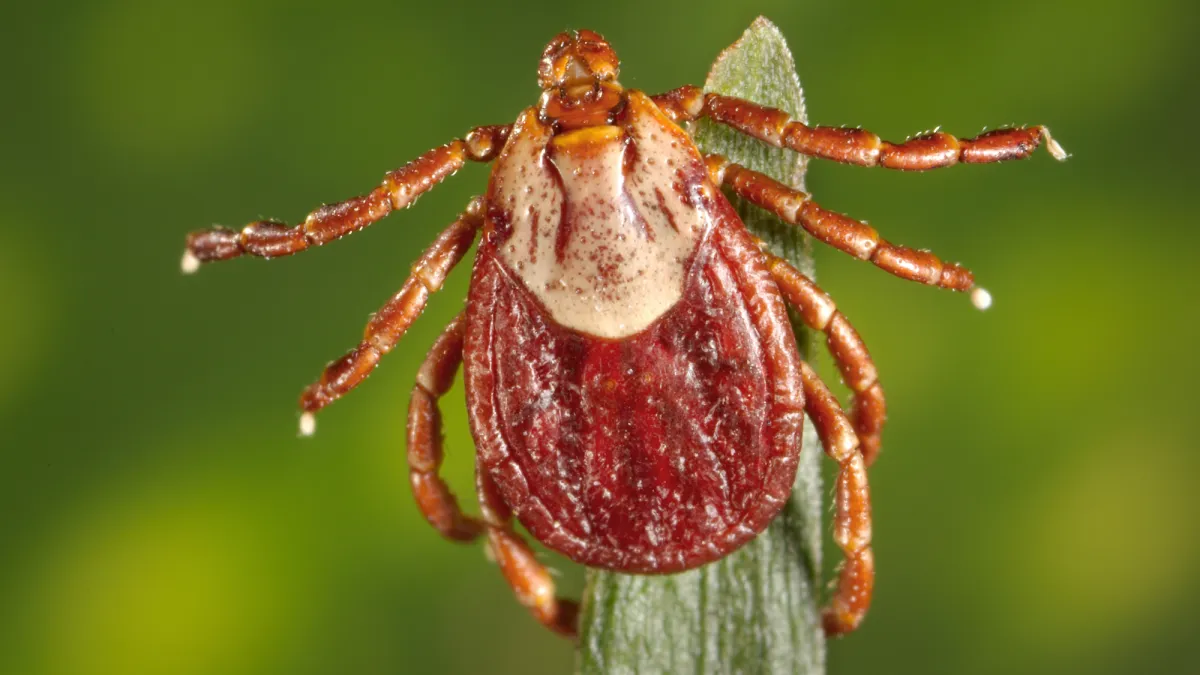
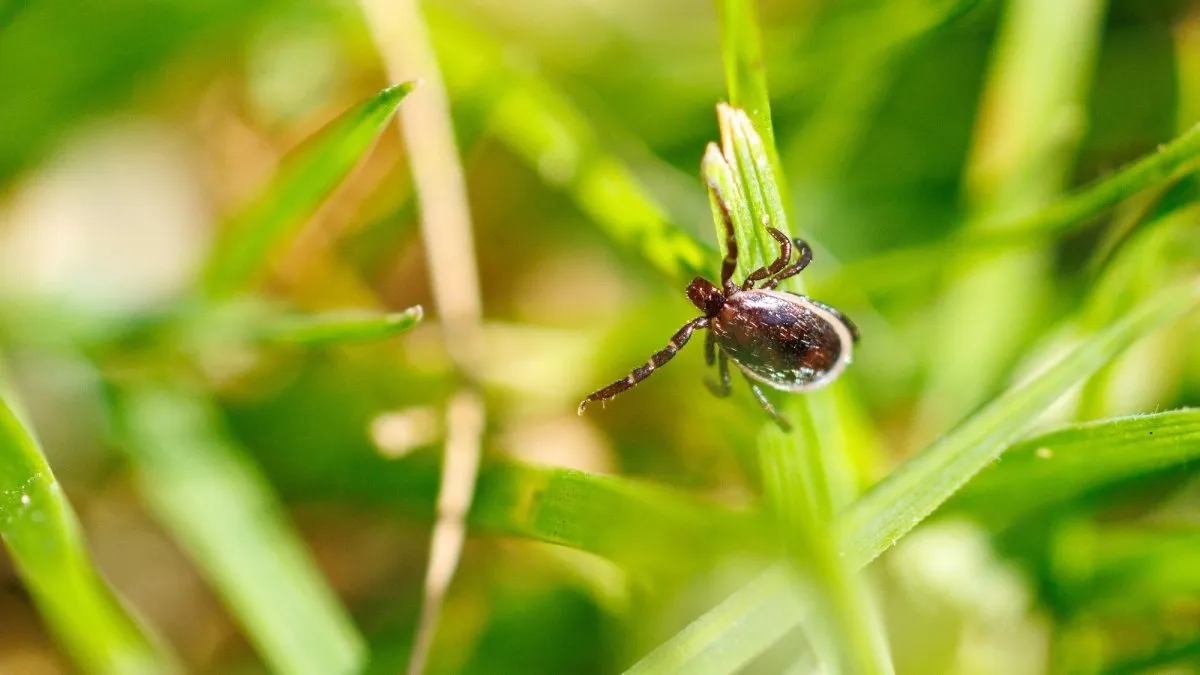
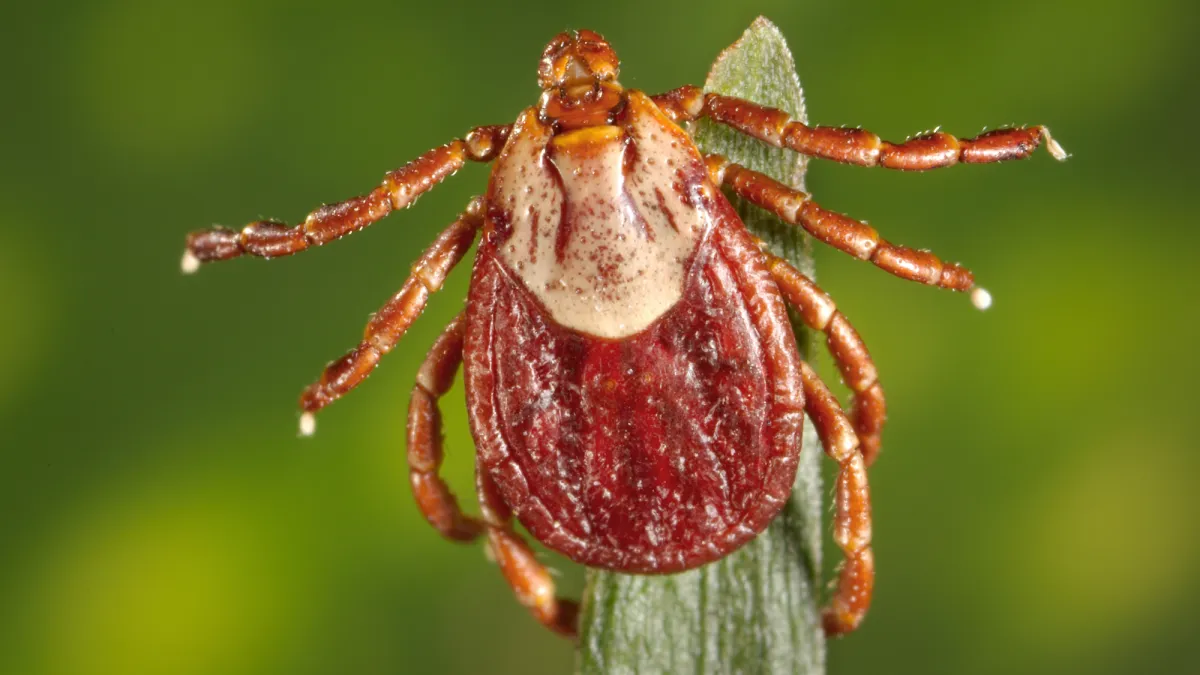
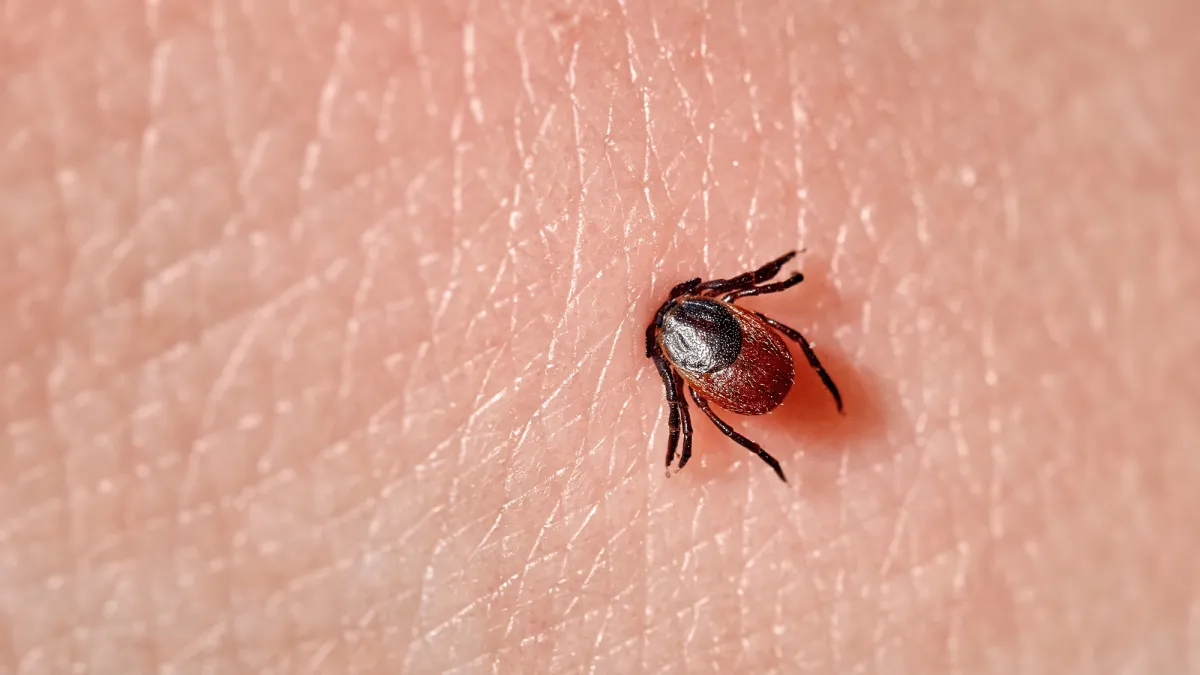
As the weather warms, so does the activity of ticks, posing a significant public health concern. These small arachnids are not merely a nuisance; they are vectors for a range of potentially serious diseases, including Lyme disease, anaplasmosis, ehrlichiosis, and Rocky Mountain spotted fever, among others. The active season for ticks typically begins in spring and can extend through fall, with different species having varying peak activity periods. Understanding their life cycle and habitat is crucial for effective prevention. Ticks often reside in wooded areas, tall grass, and leaf litter, waiting to attach to unsuspecting hosts, which include humans, pets, and wildlife. Their ability to remain undetected for extended periods increases the risk of disease transmission, as they can feed for days.
Preventing tick bites requires a multi-faceted approach, combining personal protective measures with landscape management. For individuals, this means wearing appropriate clothing, such as long sleeves and pants, and tucking pant legs into socks when venturing into tick-infested areas. Applying insect repellent containing DEET, picaridin, or oil of lemon eucalyptus to exposed skin can also provide a barrier. Upon returning indoors, a thorough tick check is essential. This involves carefully examining the entire body, including hair, scalp, ears, and between toes, for any signs of ticks. Prompt removal of any attached ticks, ideally with fine-tipped tweezers, minimizes the risk of disease transmission. For homeowners, modifying the yard can create a less hospitable environment for ticks. This includes keeping lawns mowed, removing leaf litter, and creating a barrier between the yard and wooded areas. Deer, which often carry ticks, can be deterred by fencing or specific landscaping choices.
Managing Ticks in Your Environment
Creating a tick-averse yard is a critical component of outdoor health and safety. The primary goal is to reduce the tick population and limit their access to human and pet activity zones. One of the most effective strategies involves landscape modification. Keeping grass trimmed to a height of three inches or less significantly reduces the habitat where ticks, particularly the nymphal stages, can thrive. Clearing away leaf litter and brush piles, which provide both shelter and a moist microclimate conducive to tick survival, is also paramount. Consider creating a physical barrier, such as a three-foot-wide barrier of wood chips or gravel, between lawns and wooded areas. This discourages ticks from venturing into more frequented areas of your property. Additionally, understanding the role of wildlife, especially deer and rodents, as tick hosts is important. Reducing their access to your yard through fencing or by avoiding planting vegetation that attracts them can indirectly decrease tick populations.
Beyond landscape management, understanding tick behavior and effective repellents is key. While anecdotal evidence and DIY remedies abound, scientific research supports specific methods. EPA-approved repellents containing DEET, picaridin, IR3535, oil of lemon eucalyptus, para-menthane-diol, or 2-undecanone are recommended for use on skin. Permethrin-treated clothing and gear offer an additional layer of protection, as permethrin kills ticks on contact and is effective for several washes. It's important to note that essential oils, often touted as natural alternatives, lack robust scientific backing for consistent and effective tick repellency and should not be relied upon as primary protection.
Debunking Tick-Related Myths and Misconceptions
The proliferation of ticks and tick-borne diseases has unfortunately been accompanied by a surge in misinformation. One common myth is that essential oils are a safe and effective tick repellent. While some oils may have minor repellent properties, their efficacy is not scientifically proven to be as reliable or long-lasting as EPA-approved chemical repellents. Relying solely on essential oils can create a false sense of security, leading to increased risk of bites.
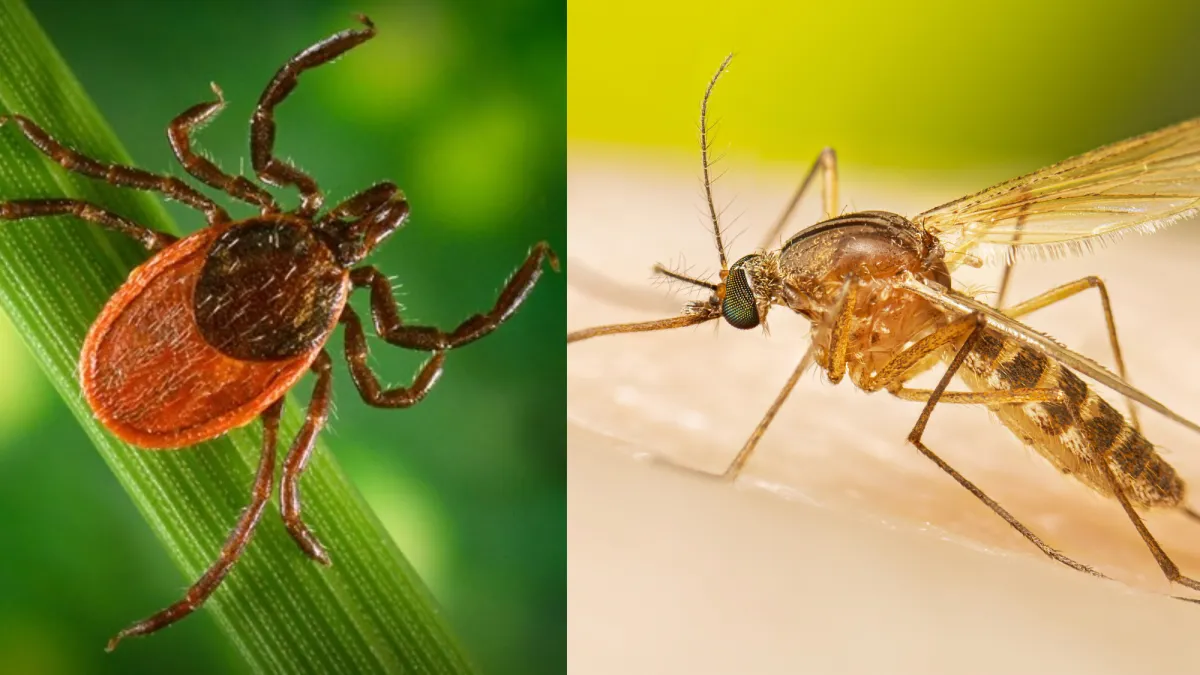
Another persistent myth is that a cold winter eradicates tick populations. While extreme cold can reduce tick survival rates, many species are remarkably resilient and can overwinter successfully in protected environments, such as under snow cover or in leaf litter. Warmer winters, increasingly common due to climate change, can further exacerbate tick survival and prolong their active season. There's also a misconception that ticks can only be found in deep woods. In reality, ticks are increasingly found in suburban and even urban environments, particularly in parks, gardens, and areas with tall grass. This proximity increases the likelihood of encounters and bites. Finally, conspiracy theories surrounding tick populations and disease outbreaks, often blaming nefarious actors or deliberate releases, lack any scientific basis and distract from evidence-based prevention strategies.
Understanding Tick-Borne Diseases and Their Spread
The diseases transmitted by ticks are a serious public health concern, with Lyme disease being the most prevalent in many regions. Lyme disease, caused by the bacterium Borrelia burgdorferi, is transmitted primarily by the blacklegged tick (Ixodes scapularis) in the eastern United States and the deer tick (Ixodes pacificus) in the western United States. Early symptoms can include fever, headache, fatigue, and a characteristic rash known as erythema migrans, which often resembles a bull's-eye. If left untreated, Lyme disease can spread to joints, the heart, and the nervous system, leading to more severe and chronic health issues.
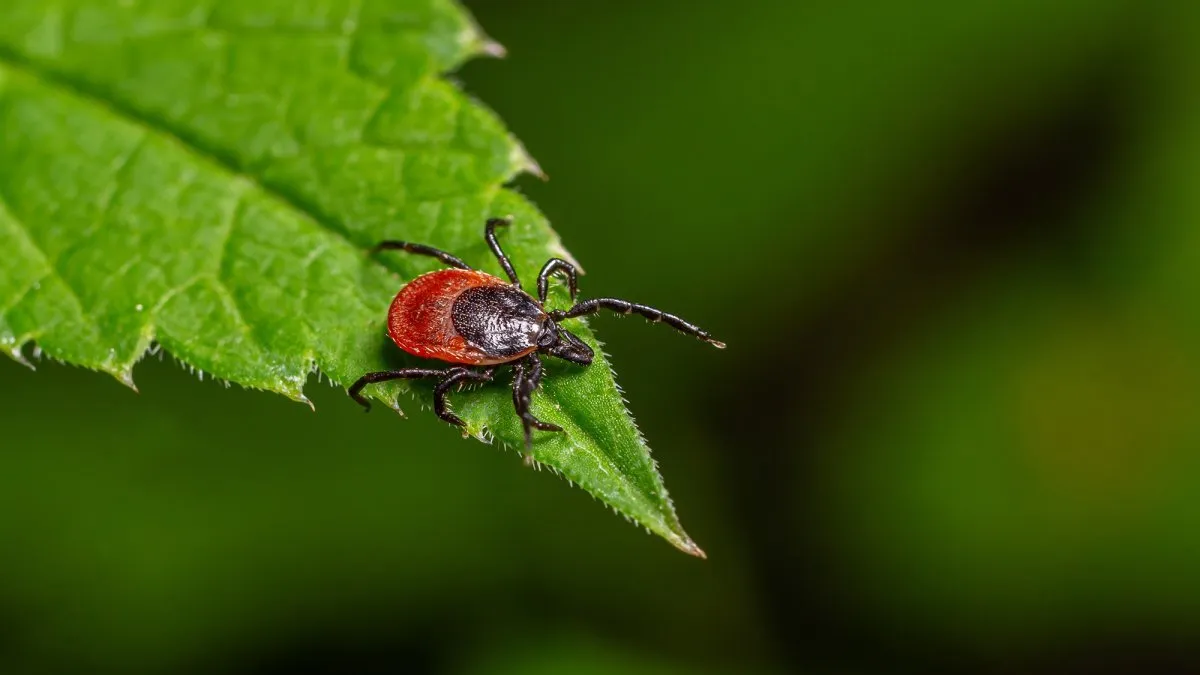
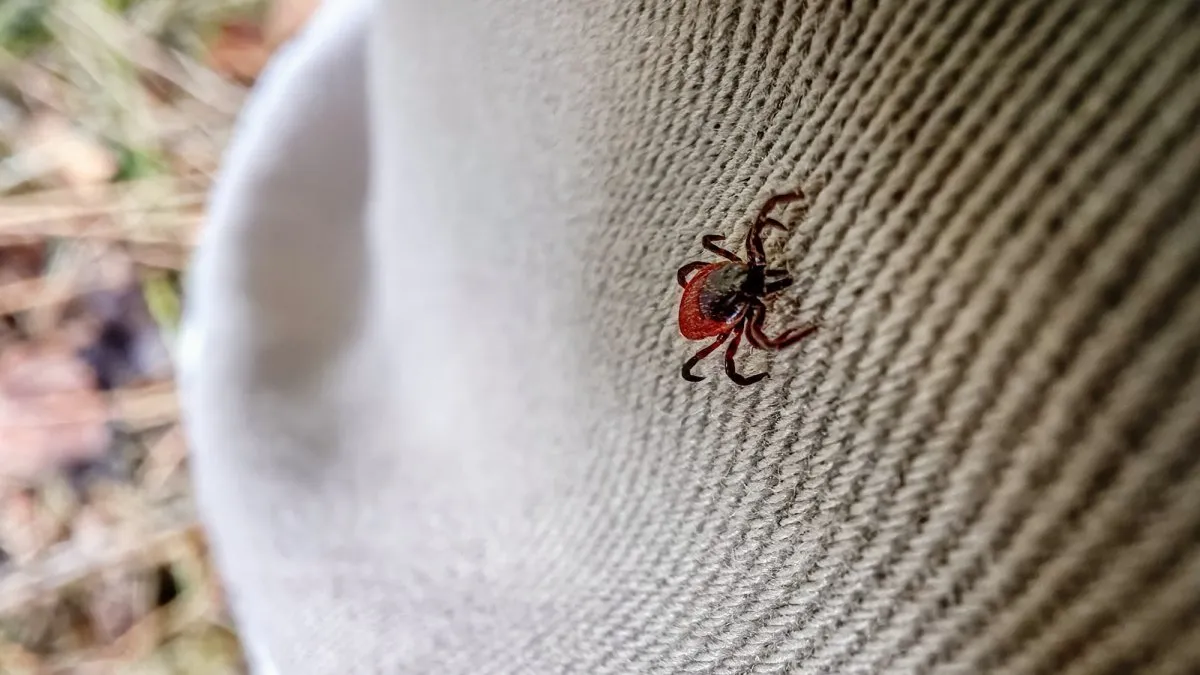
Beyond Lyme disease, other tick-borne illnesses are also a growing concern. Anaplasmosis and ehrlichiosis, caused by bacteria, can lead to flu-like symptoms such as fever, chills, headache, and muscle aches. While treatable with antibiotics, severe cases can be life-threatening. Powassan virus, a less common but potentially more severe illness, can cause neurological symptoms and can be transmitted much faster than Lyme disease, sometimes within minutes of a tick bite. The geographic range of ticks carrying these diseases is expanding, influenced by factors such as climate change and the movement of wildlife. Birds, for instance, play a significant role in the dispersal of ticks and the pathogens they carry across vast distances, as seen in the rapid spread of certain tick species and associated diseases into new territories.
Prevention Strategies and Scientific Approaches
Effective tick bite prevention relies on a combination of personal vigilance and environmental management. As mentioned, regular application of EPA-approved repellents and wearing protective clothing are crucial when spending time outdoors. Creating tick-unfriendly yards by maintaining landscaping and reducing tick habitats is equally important. For pet owners, regular tick checks and using veterinarian-recommended tick prevention products for animals are essential, as pets can inadvertently bring ticks into the home.

Scientifically-driven approaches to tick control are continuously being developed. Research into tick biology and behavior provides insights into targeted interventions. For example, understanding the role of different hosts in the tick life cycle has led to strategies like tick-targeted acaricide applications in key areas, or the development of attractive toxic sugar baits (ATSBs) that target adult tick hosts. Public health campaigns focused on education and awareness are vital to ensure that individuals understand the risks, know how to perform effective tick checks, and employ appropriate removal techniques. Early detection and treatment of tick-borne illnesses are critical for preventing long-term health complications.
Impact Analysis
The increasing prevalence of ticks and the associated rise in tick-borne diseases have significant public health and economic implications. Healthcare systems face increased burdens from diagnosing and treating these illnesses, which can range from simple antibiotic courses to long-term management of chronic conditions. The economic impact also extends to the tourism and outdoor recreation industries, as concerns about tick exposure can deter visitors to parks and natural areas. Furthermore, the expanding geographic range of ticks and the diseases they carry necessitate ongoing surveillance and adaptive management strategies. Public health initiatives must continually evolve to address new challenges, such as the emergence of novel tick-borne pathogens or changes in tick populations due to environmental factors. Continued scientific research into tick control, disease transmission, and treatment is essential to mitigate these growing risks and protect public health.