

Navigating the World of Bicycles: A Comprehensive Technical Guide
Understanding Bicycle Anatomy and Functionality
A bicycle is a complex system of interconnected components designed for propulsion and control. At its core, the frame provides the structural integrity, dictating the bike's geometry, fit, and handling characteristics. Modern frames leverage advanced materials like aerospace-grade aluminum alloys, carbon fiber composites, and various steel formulations, each offering distinct advantages in terms of weight, stiffness, vibration damping, and cost. The drivetrain, comprising pedals, cranks, chainrings, chain, cassette, and derailleur system, translates rider input into forward motion, while sophisticated braking systems – disc or rim – ensure reliable stopping power under varying conditions.
Exploring Bicycle Categories and Specializations
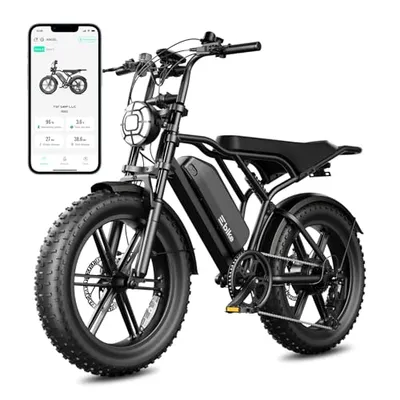
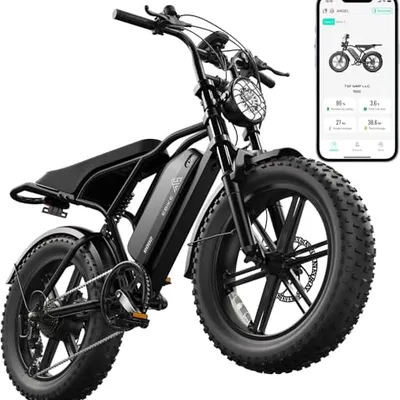
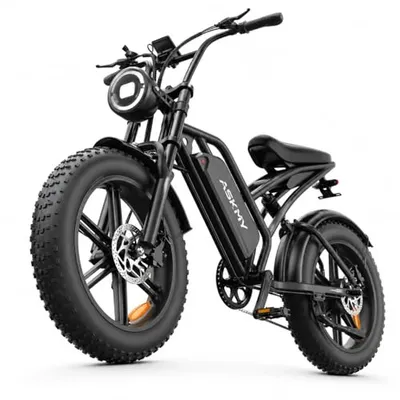
The vast universe of cycling offers highly specialized machines for every conceivable purpose. For those seeking pedal-assist technology, the Electric Bicycle segment has revolutionized urban commuting and extended touring, integrating powerful motors and long-lasting batteries into traditional bicycle designs. These e-bikes offer varying levels of assistance, transforming challenging rides into accessible journeys for a broader demographic.
When selecting a bike, understanding the reputation and innovation behind various Bicycle Brands is crucial. Established manufacturers often lead in research and development, offering proprietary technologies and a commitment to quality that influences performance, durability, and resale value across their product lines. From high-performance road bikes to rugged mountain bikes, brands differentiate themselves through design philosophy, material science, and component integration.
Maintaining and Enhancing Your Ride
The longevity and performance of any bicycle rely heavily on its individual constituents. Bicycle Spare Parts encompass a wide array of components, from replacement chains and brake pads to intricate derailleur systems and wheel sets. The selection of these parts directly impacts the bike's responsiveness, safety, and efficiency, making informed choices essential for upkeep and upgrades. For example, upgrading to lighter wheels or a higher-grade groupset can significantly enhance a bike's performance.
Beyond core functionality, Bicycle Accessories play a pivotal role in augmenting rider comfort, safety, and utility. This category includes everything from essential safety equipment like helmets and high-visibility lights to practical additions such as panniers, racks for cargo, water bottle cages, and specialized tools. These accessories not only customize the riding experience but also contribute significantly to the practical application of the bicycle for commuting or long-distance touring.
Bicycles for Every Rider
The cycling market is meticulously segmented to cater to all age groups and skill levels. For younger riders transitioning from tricycles, Kids Bikes & Tricycles are engineered with safety, stability, and ease of learning as paramount considerations. These bikes feature appropriate sizing, simplified gearing, and often include training wheels, gradually introducing children to two-wheeled mobility. As riders mature, the options expand significantly. Teenage & Adult Bikes cover an extensive spectrum, from high-performance road bikes designed for speed and efficiency on paved surfaces, to robust mountain bikes built for tackling challenging off-road trails, and versatile hybrid bikes that blend characteristics for mixed-terrain use. Each category offers specific frame geometries, suspension systems, and gearing ratios optimized for their intended riding environment and user demographics, ensuring that every rider can find a bicycle perfectly matched to their aspirations and physical requirements.