The excitement of purchasing a new vehicle can quickly dissipate when faced with the labyrinth of dealership fees, often referred to as "gotcha" charges. These added costs, such as documentation fees, acquisition fees, and preparation fees, are frequently employed by dealers to inflate their profit margins. Understanding a few fundamental principles can significantly demystify the car buying process, paving the way for a more equitable and less stressful transaction.
The advertised price of a vehicle, whether encountered online or through traditional media, seldom reflects the ultimate cost. A closer examination of the fine print, which is invariably present, reveals that this initial figure excludes a multitude of ancillary charges. While taxes and government-mandated fees for registration and licensing are unavoidable, other expenses like documentation (doc) fees, acquisition fees, dealer prep, advertising fees, and market adjustments are determined by the dealership.
Understanding and Negotiating Dealership Fees
Before even setting foot in a showroom, prospective buyers should proactively inquire about all associated fees. A phone call or email to the dealership can elicit a comprehensive breakdown of the true, "drive-off-the-lot" price. This preliminary step helps to avoid the disillusionment of pursuing an attractive, yet ultimately unattainable, advertised price. Dealers often bundle all available discounts and rebates into new vehicle advertisements. However, it is crucial for buyers to ascertain which of these price reductions genuinely apply to their specific situation. For instance, discounts tied to veteran status, student enrollment, familial ties to automotive manufacturing employees, or ownership of a competitor's brand (conquest incentives) may not be applicable to all purchasers.
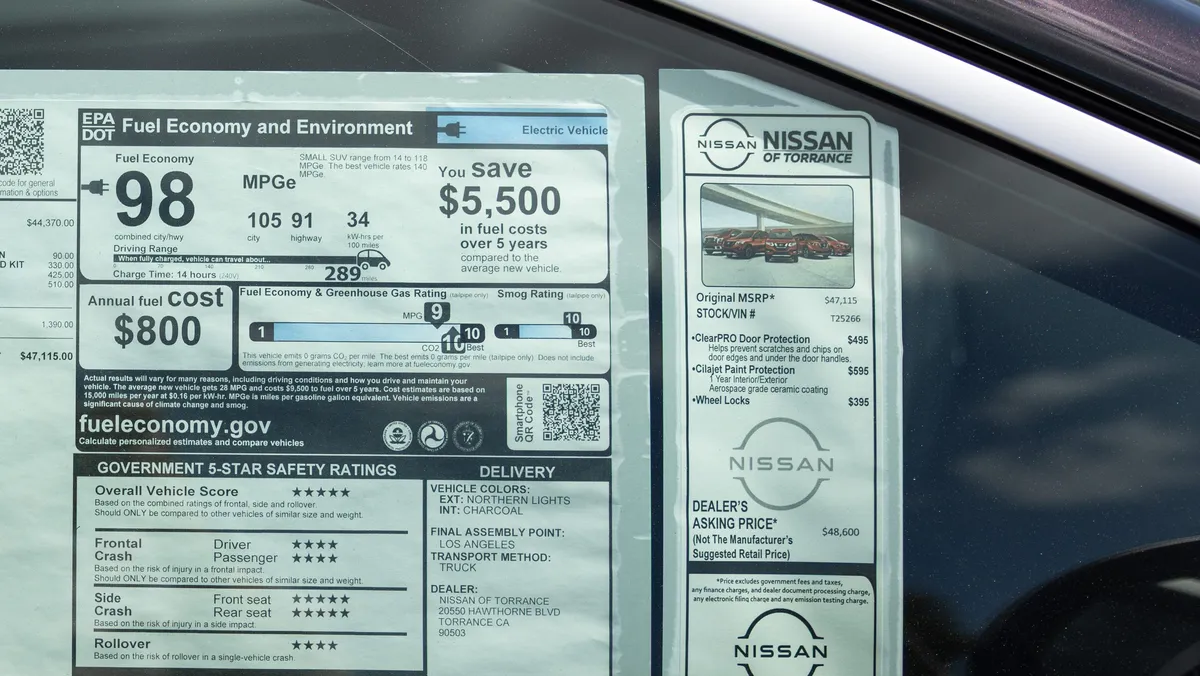
The most effective strategy for sidestepping the complexities of individual fees is to immediately focus on the "out-the-door" (OTD) price. This figure represents the total financial commitment required to finalize the purchase and legally drive the vehicle away. By establishing the OTD price early in the negotiation, buyers can mitigate the risk of unexpected charges emerging later in the process. If a trade-in is involved, it is imperative to ensure its valuation is clearly incorporated and remains consistent throughout the negotiation. Ultimately, the buyer's sole concern should be the total expenditure. The dealer's internal allocation of these funds is secondary. Should a dealer prove unwilling to reduce or waive its "mandatory" fees, buyers should negotiate a corresponding reduction in the vehicle's base price. Possessing a written quote from a competing dealership can serve as powerful leverage, prompting the dealer to match the rival's OTD price to secure your business.
Mitigating Additional Dealer Costs
Another strategic approach to lowering the overall cost of a vehicle involves scrutinizing the itemized breakdown of costs provided by the dealer. Pay close attention to line items for optional accessories and services such as paint protection films, VIN etching, premium floor mats, and other dealer-installed add-ons. These items typically carry high profit margins for the dealership, and sales representatives are often incentivized to present them as non-negotiable components of the sale. Buyers should clearly state their disinterest in these extras and request a revised quote that excludes them. Many of these add-ons may not have been physically installed yet and can often be removed from the vehicle if they have.
When engaging in price negotiations, maintain a consistent focus on the out-the-door price. If the total figure does not meet your financial expectations and the sales manager remains inflexible, do not hesitate to walk away from the deal. Persistence and a willingness to explore other options are key to securing a fair price and avoiding the common pitfalls associated with hidden dealership fees.