

Deep Dive: Technical Architecture and Advanced Features of Baby Monitoring Systems
Connectivity Technologies: The Backbone of Monitoring
The core functionality of any baby monitor hinges on its communication protocol, dictating range, security, and feature set. Digital baby monitors primarily utilize three robust technologies: Frequency Hopping Spread Spectrum (FHSS), Digital Enhanced Cordless Telecommunications (DECT), and Wi-Fi/IP-based systems.
FHSS (Frequency Hopping Spread Spectrum)
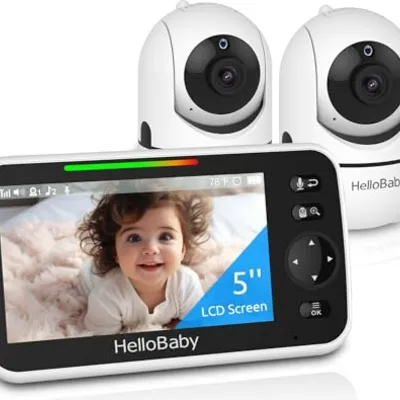
FHSS technology provides a secure, direct digital connection between the camera unit and the parent receiver. By rapidly switching frequencies across a predefined band, FHSS systems are inherently difficult to intercept and are highly resistant to interference from other wireless devices, such as Wi-Fi routers. This results in clear audio and video transmission, typically with a range of 500 to 1000 feet in open spaces, and offers a strong, private link without reliance on an external internet connection. Data encryption, often 128-bit AES, further safeguards privacy.
DECT (Digital Enhanced Cordless Telecommunications)
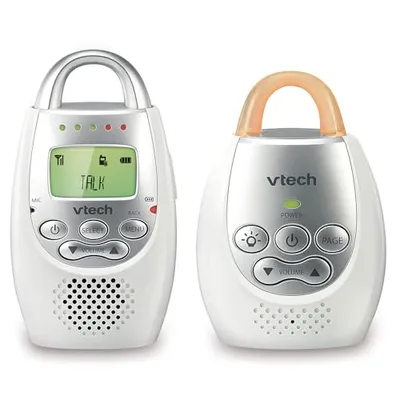
DECT is predominantly used in audio-only monitors, renowned for its crystal-clear sound quality and secure, interference-free transmission. Operating on a dedicated frequency band, DECT ensures that audio signals are digitally encrypted, making eavesdropping virtually impossible. While offering a robust and private audio link, DECT systems generally have a more limited range compared to FHSS, typically suited for in-home use, and do not support video transmission.
Wi-Fi/IP Monitors
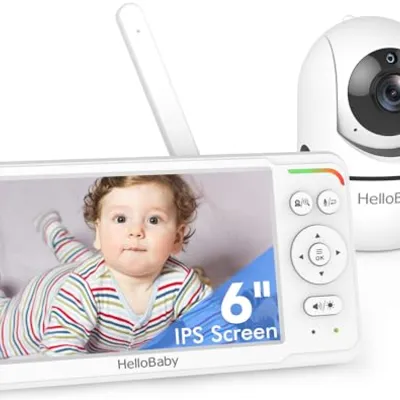
Wi-Fi-enabled monitors connect to a home's existing wireless network, allowing parents to monitor their child via a smartphone or tablet application from virtually anywhere with internet access. These systems leverage IP cameras, often supporting 720p or 1080p video resolution, and offer advanced features such as pan-tilt-zoom (PTZ) control, cloud storage options, and integration with smart home ecosystems. Key considerations for Wi-Fi monitors include ensuring robust network security (e.g., WPA3, strong passwords, firmware updates), adequate bandwidth, and the potential for latency or service interruptions dependent on internet reliability.
Advanced Sensor Integration and Enhanced Monitoring
Beyond basic sight and sound, modern baby monitors incorporate an array of sensors to provide comprehensive environmental and physiological data.
Video and Night Vision Capabilities
High-definition CMOS image sensors are standard, providing crisp video feeds. Integrated infrared (IR) LEDs automatically activate in low-light conditions, enabling clear black-and-white night vision without disturbing the child. Many advanced cameras feature motorized pan-tilt-zoom (PTZ) functionality, allowing parents to remotely adjust the camera's view to cover a wider area or zoom in on their child.
Environmental Monitoring
Integrated temperature and humidity sensors provide real-time readings of the nursery's climate, alerting parents if conditions fall outside predefined comfort zones. Some high-end units may also include air quality sensors to detect volatile organic compounds (VOCs) or particulate matter, offering a more holistic view of the nursery environment.
Movement and Breathing Sensors
Specialized sensors are designed to detect a child's movements or breathing patterns. Under-mattress sensor pads use piezoelectric or pressure-sensitive technology to monitor micro-movements associated with breathing. More advanced, non-contact solutions employ radar or computer vision algorithms to detect subtle chest movements, providing alerts for prolonged periods of inactivity, a feature requiring careful calibration and understanding of its limitations.
Enhanced Audio Features
Two-way talk functionality allows parents to soothe their child remotely using their voice. Integrated lullabies or white noise generators can aid in sleep. Voice Activated (VOX) mode intelligently conserves battery life and reduces ambient noise by only activating transmission when sound above a certain threshold is detected in the nursery.
Security and Data Privacy Protocols
Given the sensitive nature of monitoring children, robust security and data privacy are paramount. Digital encryption, such as 128-bit Advanced Encryption Standard (AES), is fundamental for securing both audio and video transmissions, preventing unauthorized access to the feed. For Wi-Fi monitors, secure pairing processes, mandatory strong password creation, and multi-factor authentication (MFA) are crucial. Regular firmware updates from the manufacturer address potential vulnerabilities. Best practices also include placing Wi-Fi monitors on a segregated guest network, enabling router firewalls, and utilizing Virtual Private Networks (VPNs) when accessing feeds remotely to further enhance privacy.