A Comprehensive Guide to Watches and Timekeeping Devices
The Core of Timekeeping: Movement Technologies
At the heart of any watch lies its movement, the intricate mechanism that powers its time-telling function. Broadly, these fall into two primary categories: mechanical and quartz. Mechanical movements, celebrated for their traditional craftsmanship, rely on a mainspring and a complex series of gears and springs. They can be hand-wound (manual) or self-winding (automatic), where wrist motion powers the watch. Quartz movements, conversely, utilize a battery and a vibrating quartz crystal, offering exceptional accuracy and often greater affordability. The choice between these often reflects a preference for heritage and engineering artistry versus modern precision and convenience.
Exploring Personal Timepieces
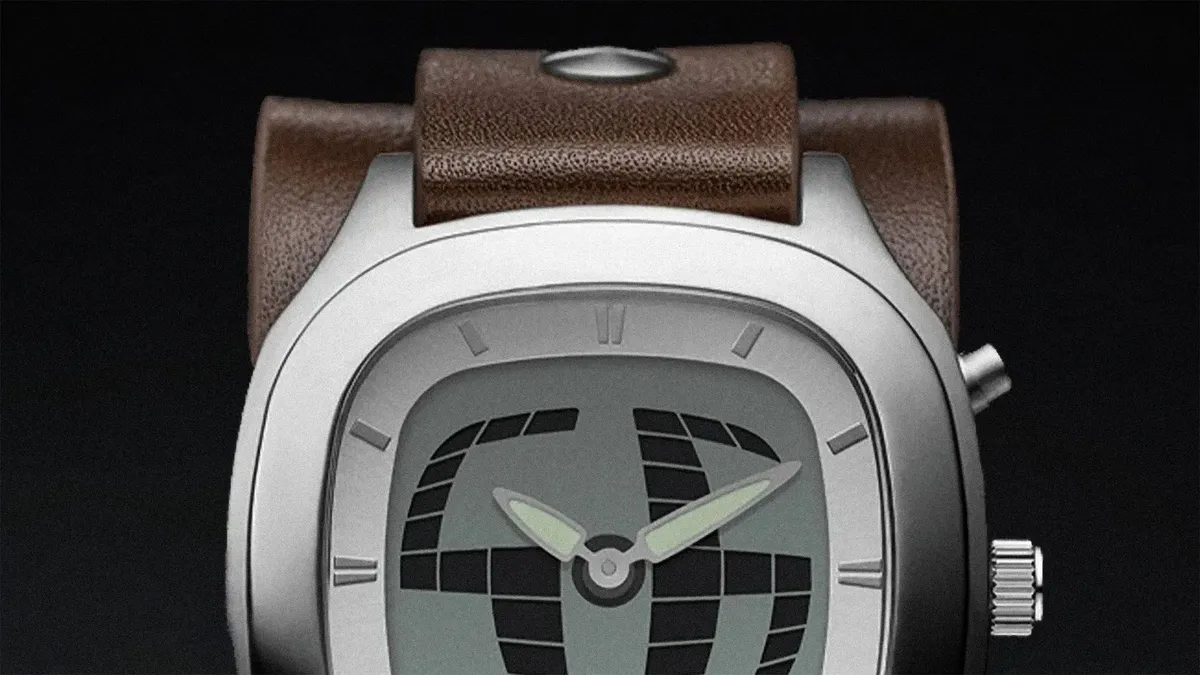
The most common and personal form of timekeeping is the Wristwatch, designed to be worn on the wrist. This vast category itself branches into numerous styles and functionalities. For instance, Analog Watches display time using traditional hands on a dial, embodying classic elegance and often incorporating intricate designs. They can range from simple two-hand models to complex chronographs. In contrast, Digital Watches present time numerically, typically on an LCD or LED screen. These often come equipped with a wider array of functions, such as stopwatches, alarms, and world time capabilities, appealing to those seeking practical features and a modern aesthetic. Beyond adults, Kids Watches are specifically designed with durability, simplicity, and often playful designs in mind, serving as an excellent tool for children to learn time-telling.
Another historically significant and beloved personal timepiece is the Pocket Watch. Carried in a waistcoat pocket and often attached by a chain, these timepieces evoke a sense of vintage charm and sophistication. While less common for daily wear today, they remain prized by collectors and enthusiasts for their intricate craftsmanship and historical significance, often featuring elaborate engravings and movements.
Stationary Timekeeping: Clocks for Every Space
Beyond personal wear, timekeeping devices also play a crucial role in our environments. The Table Clock, designed to sit on a desk, shelf, or bedside table, offers both functionality and decorative appeal. These can range from minimalist designs to ornate, antique-inspired pieces, often incorporating features like alarms or temperature displays. Larger in scale and impact is the Wall Clock, an essential fixture in homes, offices, and public spaces. Wall clocks serve as central time references and significant decorative elements, available in an endless variety of styles, from modern minimalist to grand traditional, integrating seamlessly with any interior design theme. These stationary devices ensure that time is always within easy glance, whether for personal convenience or collective coordination.
Understanding the nuances of each type—from the intricate mechanics of an Analog Watches to the multi-functionality of a Digital Watches, the historical charm of a Pocket Watch, the everyday utility of a Wristwatch, the decorative practicality of a Table Clock, the central presence of a Wall Clock, and the educational fun of Kids Watches—allows for informed choices that perfectly align with individual needs and preferences. Each category offers a unique blend of engineering, design, and purpose, making the world of horology endlessly fascinating.