


Deep Dive into Electric Kettle Engineering and Performance
The core functionality of an electric kettle revolves around its heating element, predominantly a robust, enclosed resistive coil. This element, often a flat plate made of stainless steel, houses a nichrome wire that efficiently converts electricity into heat. The wattage of this element is a primary performance indicator; kettles ranging from 1500W to 3000W significantly influence the speed at which water reaches its boiling point, with higher wattages achieving faster results, albeit with commensurate power draw.
Material Science and Water Purity
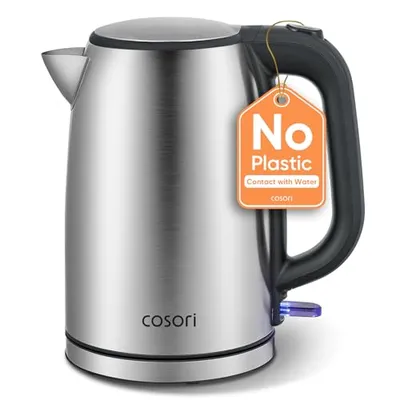
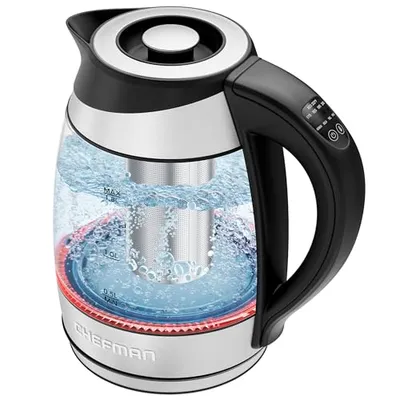
The choice of construction material is paramount for both durability and the purity of heated water. Food-grade stainless steel, particularly Type 304 (18/8 or 18/10 chromium/nickel alloy), is widely favored for its corrosion resistance, thermal stability, and inertness, ensuring no metallic taste transfer. Borosilicate glass kettles offer visual appeal and complete chemical inertness, though they require careful handling due to fragility. BPA-free plastics are used for components like lids, handles, and water level indicators, designed to withstand high temperatures without leaching harmful chemicals. Silicone seals, also food-grade, are commonly employed for lid closures and spouts, maintaining integrity under thermal stress.
Advanced Temperature Management Systems
Beyond basic on/off boiling, many contemporary electric kettles integrate sophisticated temperature control systems. These often utilize Negative Temperature Coefficient (NTC) thermistors or bimetallic strips combined with microcontroller units (MCUs) to accurately sense water temperature. Variable temperature settings allow users to select specific temperatures, typically ranging from 40°C to 100°C, catering to delicate green teas, robust black teas, or specialized coffee brewing methods. Some models feature PID (Proportional-Integral-Derivative) control for enhanced temperature stability and precision, along with 'keep warm' functions that maintain a set temperature for an extended period, consuming minimal power.
Integrated Safety Protocols
Safety is non-negotiable in electric kettle design. Essential features include automatic shut-off mechanisms, often actuated by bimetallic switches that respond to steam generated at boiling point, thereby preventing sustained boiling. Boil-dry protection, a critical safeguard, uses a thermal fuse or sensor to detect the absence of water and automatically deactivates the heating element, preventing overheating and potential damage or fire hazards. Leading manufacturers, such as Strix, specialize in these sophisticated control components, which are integral to global safety standards. Cool-touch exteriors, dual-wall insulation, and securely locking lids further mitigate burn risks and improve user safety during operation.
Ergonomics and Efficiency Considerations
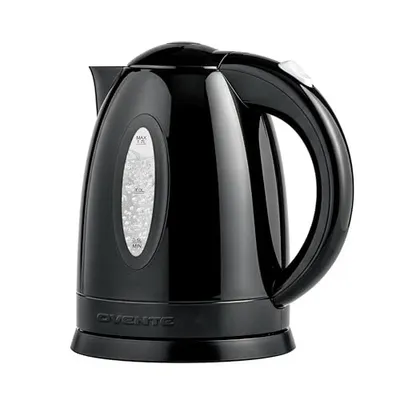
Ergonomic design contributes significantly to user experience. Features such as a 360-degree swivel base allow for cordless operation from any angle, enhancing convenience. Spout design is engineered for precise, drip-free pouring, critical for controlled brewing. Water level indicators, often translucent windows or internal markings, enable accurate filling. From an efficiency standpoint, rapid boil kettles, characterized by higher wattage, minimize energy consumption by reducing the overall heating cycle time. Double-wall insulation in some models improves thermal retention, keeping water hotter for longer and potentially reducing re-boiling frequency.