

A Deep Dive into Rice Cooker Technologies and Functionalities
Understanding Core Rice Cooker Technologies
At its fundamental level, a rice cooker operates by heating water to its boiling point, which is then absorbed by the rice grains through a process of starch gelatinization. The appliance maintains this temperature until all the water is absorbed, at which point an integrated thermal sensor detects the temperature rise (above 212°F / 100°C due to steam escaping), triggering the unit to switch to a 'keep warm' cycle or shut off. This seemingly simple mechanism has evolved significantly, incorporating diverse heating methods and intelligent controls to achieve unparalleled cooking precision for various rice types and textures.
Heating Element Architectures
The primary distinction in rice cooker heating technologies lies between conventional coil heating and induction heating. Conventional models typically use a coiled heating element at the base, directly transferring heat to the inner pot. While effective for basic cooking, this method can sometimes lead to uneven heating or slight scorching at the bottom if not properly regulated. More advanced versions may incorporate wrap-around heaters for improved heat distribution. In contrast, Induction Heating (IH) rice cookers generate an oscillating magnetic field that directly heats the entire inner pot. This results in significantly more uniform and precise temperature control, allowing for nuanced adjustments throughout the cooking cycle. The benefits of IH include faster cooking times, superior texture, and less risk of overcooking or sticking, particularly beneficial for delicate or specific rice varieties like sushi rice.
The Role of Inner Pot Materials and Design
The inner pot is critical to a rice cooker's performance, influencing heat retention, distribution, and durability. Common materials include non-stick coatings, stainless steel, ceramic, and even cast iron. Non-stick pots, often layered with fluoropolymers, facilitate easy cleaning and prevent rice from adhering. However, concerns about longevity and potential scratching exist. Stainless steel offers durability and heat retention but can be prone to sticking without proper care. Ceramic pots provide excellent heat distribution and are naturally non-stick. Premium models may feature multi-ply inner pots with layers of different metals, such as copper or aluminum, encased in stainless steel, designed to optimize thermal conductivity and evenness. The pot's thickness and curvature also play a role, with thicker, heavier pots generally offering better heat stability and superior results.
Fuzzy Logic and AI Integration
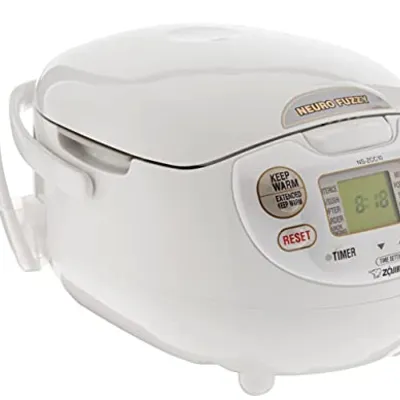
Beyond basic thermal sensors, many contemporary rice cookers incorporate fuzzy logic or artificial intelligence (AI) microprocessors. These intelligent systems monitor temperature and humidity variations within the cooking chamber and dynamically adjust the power output and cooking duration. Instead of a fixed cycle, the fuzzy logic controller "thinks" and makes real-time decisions, adapting to factors like the initial water temperature, ambient room temperature, and the exact quantity and type of rice. This ensures consistent results regardless of minor environmental variables. Some advanced models even feature specific pre-sets for different rice varieties—such as brown, jasmine, arborio, or mixed grains—optimizing the cooking curve for each to achieve their ideal texture, from fluffy to firm, perfectly.
Pressure Cooking Capabilities
For those seeking enhanced performance, Pressure Induction Heating (PIH) rice cookers combine the benefits of IH with regulated pressure cooking. By sealing the inner pot and increasing the internal pressure, water boils at a higher temperature, leading to faster cooking times and allowing moisture to penetrate rice grains more deeply. This results in exceptionally soft, fluffy, and flavorful rice, particularly beneficial for tougher grains like brown rice or achieving specific textures for dishes like congee. Pressure models often include safety release valves and multi-layered sealing gaskets to ensure secure operation.
Convenience Features and User Interface
Modern rice cookers are equipped with a suite of convenience features designed to improve user experience. Delay timers allow users to set cooking to complete at a future time, ensuring fresh rice is ready precisely when needed. Automatic keep-warm functions maintain ideal serving temperatures for hours without drying out or overcooking the rice. Steam vents are engineered to prevent boil-overs and manage condensation, while removable condensation collectors simplify cleaning. Digital displays, intuitive button layouts, and sometimes even voice guidance or app connectivity further enhance the usability and versatility of these essential kitchen appliances.