


Optimizing Ambiance and Functionality with Decorative Lighting
Understanding Layered Illumination for Enhanced Spaces
Effective decorative lighting strategy hinges on the principle of layered illumination, combining ambient, task, and accent lighting to create a dynamic and functional environment. Ambient lighting provides the overall illumination, ensuring general visibility and setting the foundational mood. Task lighting, conversely, focuses on specific areas where activities like reading or cooking occur, minimizing eye strain. Accent lighting highlights architectural details, artwork, or textures, adding depth and visual interest to a room. The harmonious integration of these layers is crucial for achieving a balanced and inviting atmosphere.
The Role of Specific Fixtures in Design
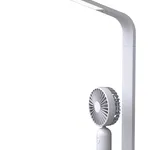
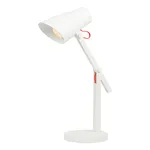
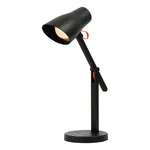
Within the broad spectrum of decorative lighting, various fixtures serve distinct aesthetic and functional purposes. Table Lamps, for instance, are quintessential examples of versatile decorative lighting. They excel at providing localized task lighting on desks or bedside tables, offering a comfortable reading light without overwhelming the entire room. Beyond their functional utility, Table Lamps are significant design statements, with their bases, shades, and materials contributing substantially to the room's decor, from minimalist modern designs to intricate traditional pieces. Their portability also allows for flexible rearrangement, adapting to evolving design needs.
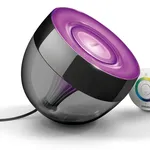
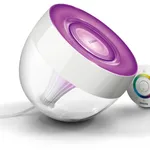
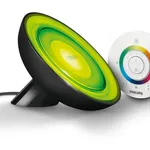
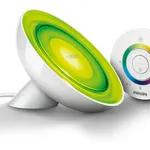
Another increasingly popular and technologically advanced solution is LED Strip Lights. These highly flexible and discreet lighting elements are ideal for creating dramatic accent lighting, backlighting, or subtle ambient washes. They can be installed under cabinets to illuminate countertops, along coves for indirect ceiling glow, or behind TVs for bias lighting to reduce eye fatigue. Their low profile, energy efficiency, and often color-changing capabilities (RGB) make them incredibly versatile for enhancing architectural features, defining edges, or simply introducing vibrant splashes of color and dynamic effects into a space, all controllable via smart home systems or remote.
Advanced Considerations: Technology and Control
Modern decorative lighting is increasingly intertwined with technological advancements. The widespread adoption of LED technology has revolutionized the industry, offering unparalleled energy efficiency, extended lifespan, and a broader spectrum of color temperatures and brightness levels. Beyond the light source itself, sophisticated control systems allow for precise manipulation of lighting schemes. Dimming capabilities, often integrated into smart home ecosystems, enable users to adjust light intensity to suit different activities or moods. Furthermore, color-tuning LEDs provide the ability to shift from warm white to cool white, supporting circadian rhythms or adapting to various aesthetic preferences throughout the day. Programmable scenes allow for instant transformation of a room's ambiance, making decorative lighting an interactive and integral part of daily living, enhancing both comfort and visual appeal.