

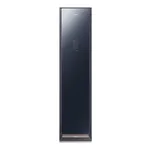
Deep Dive into Steam Clothing Care Systems: Engineering, Efficacy, and Advanced Functionalities
The Core Engineering of Steam Generation and Application
At the heart of any effective steam clothing care system lies its steam generation mechanism. High-efficiency heating elements, often constructed from durable stainless steel or ceramic, rapidly bring demineralized or filtered water to its boiling point, producing superheated steam. This steam is then precisely directed into the garment chamber, typically via an array of nozzles designed to ensure uniform distribution across fabric surfaces. Systems vary significantly in their approach: some employ boiler-based designs for continuous, high-pressure steam ideal for deep penetration and sanitization, while others utilize pump-driven flash heating for quicker startup times, though potentially with slightly lower peak pressures. The precise control of temperature (ranging from 60°C to 100°C+) and relative humidity within the chamber is paramount for optimizing wrinkle relaxation without oversaturating fabrics.
The interaction of hot steam with garment fibers is a key technical principle. Heat and moisture cause fabric fibers to swell and relax, effectively smoothing out creases and wrinkles. Simultaneously, the elevated temperatures are critical for thermal disinfection. Independent laboratory tests often certify systems for their ability to eliminate common bacteria (e.g., E. coli, Staphylococcus aureus) and viruses, typically achieving 99.9% reduction rates within specific timeframes, often as short as 20-30 minutes. This sanitizing capability is crucial for allergen reduction, neutralizing dust mites and pollen embedded in textiles without harsh chemicals.
Advanced Fabric Care Modalities and System Integration
Beyond basic de-wrinkling and sanitization, modern steam clothing care systems integrate advanced functionalities for comprehensive fabric maintenance. Specialized cycles are programmed to cater to a diverse range of materials, from delicate silks and intricate lace to robust wools and heavy denim, adjusting steam intensity, duration, and temperature to prevent shrinkage or damage. Some systems incorporate tensioning mechanisms or integrated hangers that gently pull garments taut during the steaming process, enhancing wrinkle removal efficiency and providing a crisp finish.
Odor Neutralization and Drying Technology
Effective odor neutralization is another significant technical advantage. Steam permeates fabric fibers, loosening and lifting odor-causing molecules and volatile organic compounds (VOCs), which are then dissipated by the system’s ventilation. Some high-end models further enhance this process with activated carbon filters or integrated scent infusion options. Furthermore, to provide a complete care solution, many premium systems now feature integrated drying capabilities. These typically employ condensation drying or gentle heat pump technology, ensuring garments emerge not only refreshed and de-wrinkled but also completely dry, eliminating the need for transfer to a separate dryer and minimizing potential fabric stress from tumbling.
Connectivity and Energy Efficiency
Contemporary systems also integrate smart technologies, offering Wi-Fi connectivity for remote operation, cycle customization via mobile applications, and predictive maintenance alerts. Energy efficiency is a critical design consideration, with systems optimizing heat-up times and steam output to minimize power consumption (measured in kWh per cycle). Water consumption is also meticulously managed, with efficient systems using significantly less water than traditional washing, typically consuming only a few liters per full cycle. Descaling indicators and self-cleaning functions are often integrated to maintain optimal performance and longevity, particularly in areas with hard water, by preventing mineral buildup in the steam generator and nozzles.