

Continuous Positive Airway Pressure (CPAP) Masks Brand Philips
Specifications, pros & cons, and live price list of 10 Continuous Positive Airway Pressure (CPAP) Masks models from Philips.
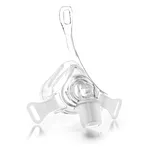
-
Product colourTransparent, White
-
Quantity per pack-
-
Warranty period-
-
TypeNasal CPAP mask
-
Nasal cushion includedYes
-
Material-
0.0
(1)
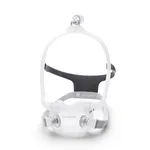
-
Product colourGrey, Transparent, White
-
Quantity per pack1 pc(s)
-
Warranty period6 year(s)
-
TypeFull face CPAP mask
-
Nasal cushion included-
-
MaterialNylon, Polycarbonate (PC), Polyester, Polyurethane, Silicone, Spandex
0.0
(1)
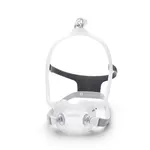
-
Product colourGrey, Transparent, White
-
Quantity per pack1 pc(s)
-
Warranty period6 year(s)
-
TypeFull face CPAP mask
-
Nasal cushion included-
-
MaterialNylon
0.0
(1)
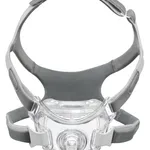
-
Product colourGrey, Transparent
-
Quantity per pack1 pc(s)
-
Warranty period6 year(s)
-
TypeFull face CPAP mask
-
Nasal cushion included-
-
MaterialSilicone
0.0
(1)
-
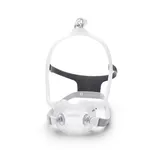
Product colourWhite
-
Quantity per pack-
-
Warranty period-
-
TypeNasal pillow CPAP mask
-
Nasal cushion included-
-
MaterialNylon, Polyester, Silicone, Spandex
0.0
(1)
-
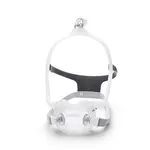
Product colourWhite
-
Quantity per pack-
-
Warranty period-
-
Type-
-
Nasal cushion included-
-
MaterialNylon, Polyester, Silicone, Spandex
0.0
(1)
-
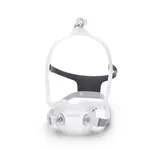
Product colourWhite
-
Quantity per pack1 pc(s)
-
Warranty period-
-
TypeNasal CPAP mask
-
Nasal cushion included-
-
MaterialNylon, Polyester, Silicone, Spandex
0.0
(1)
-
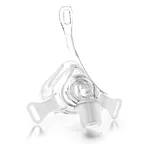
Product colourTransparent, White
-
Quantity per pack-
-
Warranty period-
-
TypeNasal CPAP mask
-
Nasal cushion includedYes
-
Material-
0.0
(1)
-
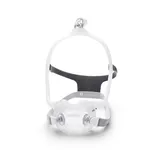
Product colourWhite
-
Quantity per pack1 pc(s)
-
Warranty period-
-
TypeNasal CPAP mask
-
Nasal cushion included-
-
MaterialNylon, Silicone, Spandex
0.0
(1)
-
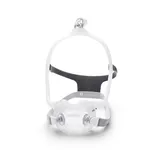
Product colourWhite
-
Quantity per pack-
-
Warranty period-
-
TypeNasal CPAP mask
-
Nasal cushion included-
-
MaterialNylon, Polyester, Silicone
0.0
(1)