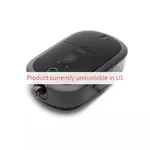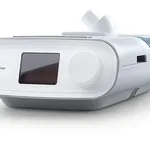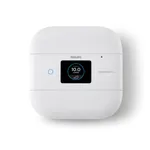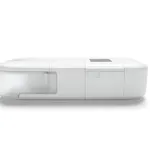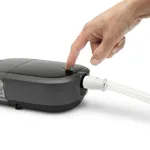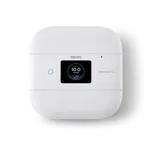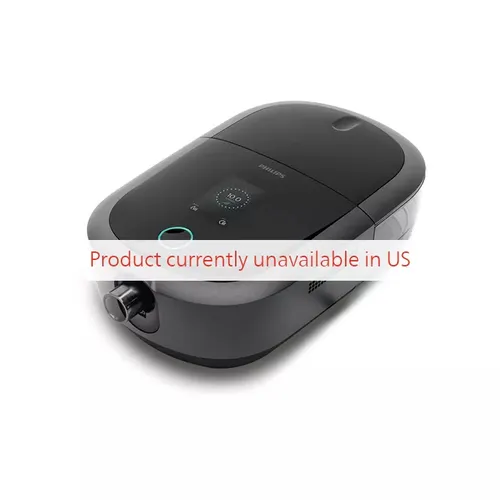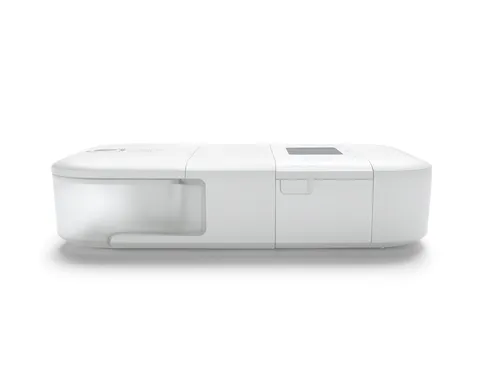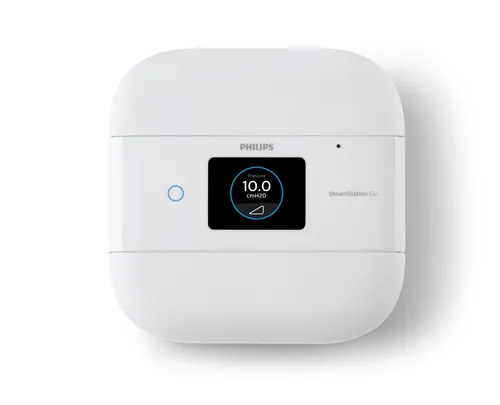


Philips HH1507/00 CPAP Machine
Specifications
Features
Features
| AC input frequency |
50 - 60 Hz
|
|---|---|
| Flex modes |
A-Flex, C-Flex, C-Flex+
|
| Minimum air pressure |
4 mmH2O
|
| Maximum air pressure |
20 mmH2O
|
| Pressure modes |
CPAP/APAP
|
| Altitude compensation |
Yes
75% have it
|
| Built-in display |
Yes
61% have it
|
| Touchscreen |
Yes
62% have it
|
| Compatible memory cards |
MicroSD (TransFlash)
|
Power
Power
| AC input voltage |
100 - 240 V
|
|---|
Weight & dimensions
Weight & dimensions
| Width |
150
mm
18% better than others
|
|---|---|
| Depth |
150
mm
42% better than others
|
| Height |
58
mm
25% better than others
|
| Weight |
844
g
21% better than others
|
Disclaimer: Information on this page may need review. If you notice any discrepancies, please report them

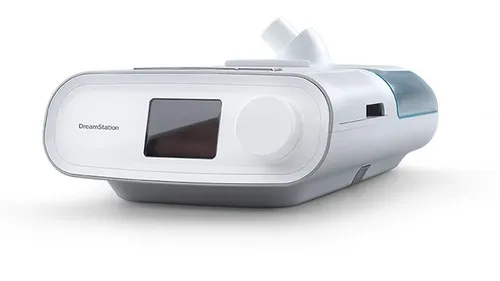
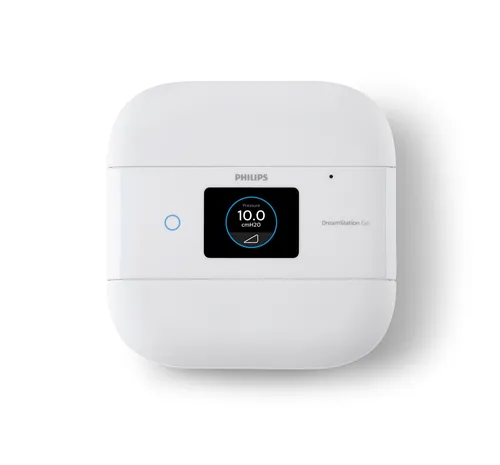
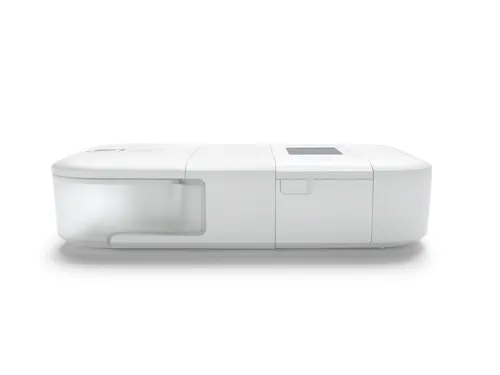
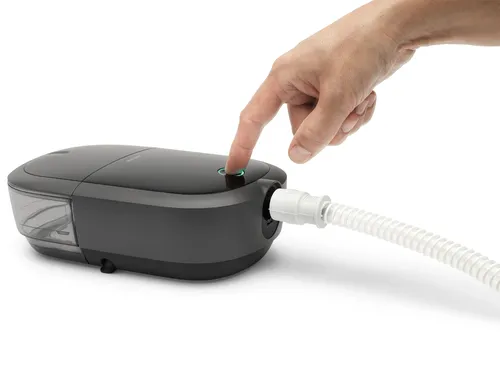
The Philips HH1507/00 represents a significant entry into the Continuous Positive Airway Pressure (CPAP) market, designed for individuals managing sleep apnea. While specific technical data beyond its model number and category (CPAP device) is not detailed here, its positioning under the renowned Philips brand suggests a focus on reliability and user-centric design, hallmarks of the manufacturer's broader healthcare product portfolio. As a CPAP machine, its primary function is to deliver pressurized air to keep the airways open during sleep, thereby mitigating the effects of obstructive sleep apnea.
In the competitive landscape of sleep therapy devices, Philips has historically strived to balance efficacy with comfort and usability. The HH1507/00, as a contemporary offering, would ideally incorporate advancements in noise reduction, air pressure stability, and potentially smart connectivity features for remote monitoring and data tracking, although these are speculative without explicit specification details. Understanding the core functionality and intended user base, this device aims to provide a consistent and effective solution for improving sleep quality and overall health for apneic patients. Its value proposition will ultimately hinge on its performance metrics, patient comfort features, and integration capabilities within a modern sleep therapy ecosystem.
Pros & Cons
Pros
What we love about this product
- Established Brand Reputation: Backed by Philips, a globally recognized leader in healthcare technology, suggesting a commitment to quality and reliability.
- Dedicated CPAP Functionality: Specifically designed as a CPAP device, indicating a focused approach to treating sleep apnea effectively.
- Potential for Advanced Features: As a modern device from a major manufacturer, it likely incorporates advancements in therapy delivery and user experience, though specifics are not provided.
Cons
Points to consider before buying
- Limited Specification Data: The absence of detailed technical specifications (e.g., pressure range, modes, noise level, weight, dimensions, connectivity options) makes a comprehensive technical analysis impossible.
- Unknown User Interface and Comfort Features: Without details on humidification, mask compatibility, or interface design, its ease of use and patient comfort cannot be assessed.