













Deep Dive into Animal Kingdom Diversity and Classification
Understanding Animal Classification and Care Parameters
The systematic study of animal breeds and species is fundamental to effective animal husbandry, conservation, and scientific research. Each classification dictates a unique set of physiological, environmental, and behavioral requirements that must be meticulously understood. Genetic lineages, phenotypic expressions, and adaptive traits are critical components in defining distinct populations, informing best practices for care and interaction across the animal kingdom.
Domesticated Companions: Dogs and Cats
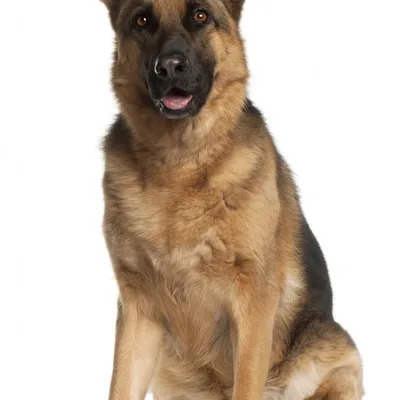
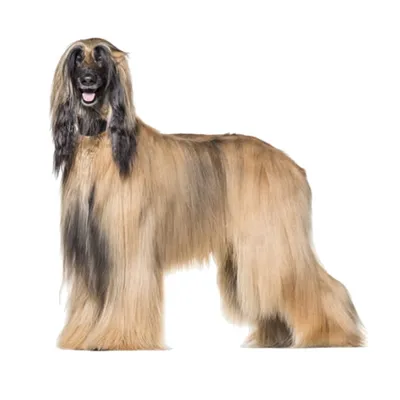
Within the realm of domesticated animals, the categories of Dog Breeds and Cat Breeds represent significant genetic diversification resulting from centuries of selective breeding. Canine breeds exhibit unparalleled phenotypic variation, influencing temperament, working capabilities, and physiological traits, while feline breeds, though less morphologically diverse, present distinct behavioral and aesthetic characteristics. Technical understanding here involves delving into breed-specific health concerns, genetic markers, and historical lineages that define each variant. Responsible classification also extends to understanding the impact of hybridization and the preservation of purebred lines versus genetic diversity, impacting everything from nutritional needs to exercise requirements.
Aquatic and Small Terrestrial Fauna
Moving beyond traditional pets, the category of Aquatic Species covers an immense biological range from freshwater and marine fish to invertebrates and specialized aquatic reptiles and amphibians. Technical considerations include water chemistry parameters (pH, hardness, salinity), filtration mechanics, tank dimensions, and species-specific dietary requirements critical for osmoregulation and overall health. Similarly, Small Mammal Species, encompassing rodents, lagomorphs, and various mustelids, require detailed knowledge of their unique metabolic rates, dental health, enclosure enrichment, and susceptibility to zoonotic diseases. Their care often involves precise environmental controls to mimic natural burrowing, nesting, or foraging behaviors.
Reptilian and Amphibian Diversity
The classifications of Reptile Species and Amphibian Species demand specialized technical expertise due to their ectothermic nature and unique physiological requirements. Reptiles, including snakes, lizards, and chelonians, necessitate specific temperature gradients, UVB lighting spectrums, humidity levels, and substrate choices to prevent metabolic bone disease and other common ailments. Amphibians, such as frogs, salamanders, and newts, have permeable skin requiring pristine water quality and high humidity, often making them sensitive bio-indicators of environmental health. Understanding their natural history, reproductive cycles, and defensive mechanisms is paramount for successful husbandry and conservation efforts, alongside considerations for their diverse dietary needs.
Exotic and Rare Species Considerations
The overarching category of Exotic & Rare Pets consolidates species that fall outside conventional domestic designations, often requiring advanced permits, highly specialized veterinary care, and strict adherence to international wildlife trade regulations. This category frequently overlaps with conservation efforts, emphasizing the importance of ethical sourcing and the avoidance of species taken from wild populations. Technical insights here extend to understanding zoonotic potential, complex behavioral needs of less-domesticated animals, and the critical role of genetic diversity in maintaining viable captive populations. The comprehensive study of animal breeds and species, therefore, serves as a cornerstone for both responsible guardianship and effective biodiversity preservation strategies, demanding continuous research and adaptation of care protocols.