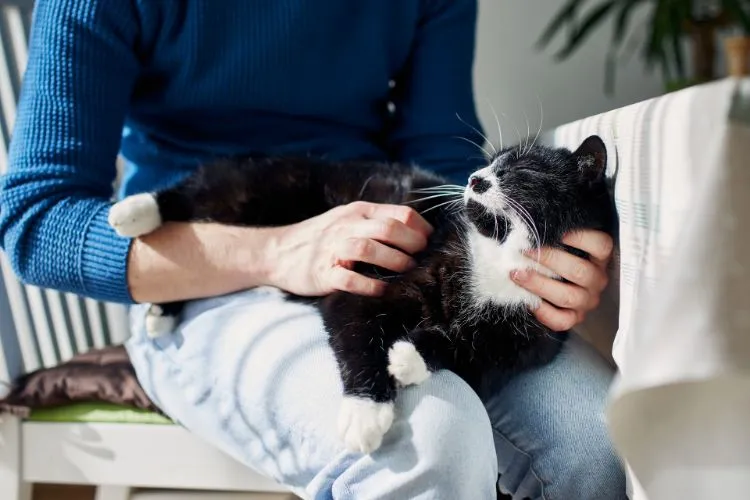
Building a profound and loving connection with a feline companion is one of the most deeply fulfilling experiences a pet owner can have. This connection is not merely about providing basic care; it involves understanding, communication, and shared positive interactions. By learning to interpret your cat's subtle cues and responding in ways that foster trust and security, you can cultivate a relationship that is both enriching for you and beneficial for your cat's well-being. This guide offers practical strategies, rooted in understanding feline behavior, to help any cat owner elevate their bond with their pet to an extraordinary level.
Moving beyond superficial interactions requires a commitment to understanding the unique language of cats. Their body language, vocalizations, and even their seemingly random behaviors are all forms of communication. Learning to read these signals is paramount to avoiding misunderstandings and ensuring your cat feels heard and respected. When you can accurately gauge their mood—whether they are content, anxious, playful, or seeking solitude—you are better equipped to respond appropriately, thereby strengthening the foundation of trust and mutual affection that defines a true human-feline partnership.
Enhancing Your Feline Relationship Through Understanding and Interaction
Cats communicate through a sophisticated array of physical cues, from the subtle flick of a tail to the slow, deliberate blink of contentedness. Developing an keen eye for these signals allows you to gauge your cat's emotional state and level of comfort. For instance, an upright tail with a slight curve at the tip often signifies happiness and confidence, while flattened ears and a twitching tail can indicate irritation or fear. Recognizing these nuances is the first step in responding in a way that reassures your cat, making them feel secure and more receptive to positive engagement. This attunement to their natural behaviors is crucial for building a robust connection.
Positive reinforcement is a cornerstone of effective cat training and relationship building. Unlike methods that rely on punishment, which can lead to fear and anxiety, rewarding desired behaviors fosters trust and encourages repetition. This can include offering high-value treats, gentle petting, or verbal praise when your cat exhibits good behavior, such as using their scratching post or responding to commands. By consistently associating positive actions with pleasant outcomes, you train your cat to understand what pleases you and to seek out these interactions, strengthening your bond through mutually rewarding experiences.
Understanding Feline Communication and Comfort
Cats possess a rich vocabulary of non-verbal cues that express their feelings and intentions. An upright tail, often described as a question mark, signifies curiosity and friendliness, especially when paired with a gentle sway. Conversely, a tail that is tucked tightly or rapidly flicking suggests fear or agitation. The eyes also convey a great deal; dilated pupils can indicate excitement or fear, while a slow blink is widely recognized as a sign of trust and affection, often referred to as a 'cat kiss.' Learning to interpret these signals helps owners respond empathetically, ensuring they do not inadvertently distress their pet. 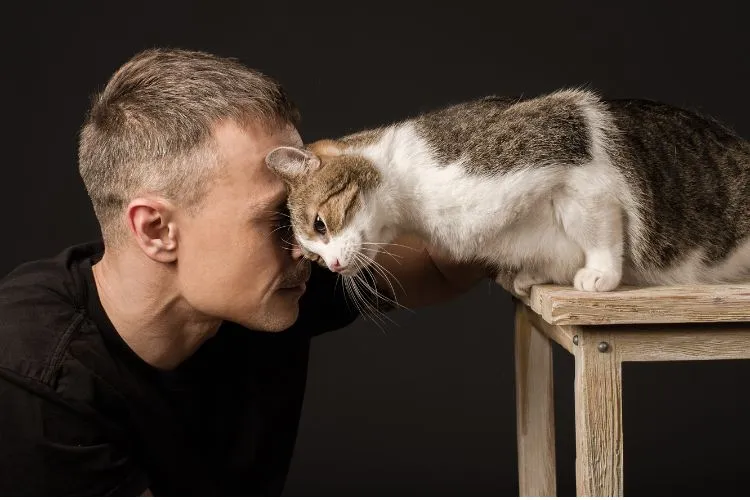
Respecting a cat's personal space is fundamental to maintaining a harmonious relationship. Cats are independent creatures who often prefer to initiate interactions on their own terms. Forcing attention or prolonged handling can lead to discomfort and a breakdown of trust. Observing your cat's body language for signs they wish to disengage—such as tail twitching, ear rotation, or attempting to move away—is vital. By allowing your cat to approach you when they are ready and respecting their need for personal space, you create an environment where they feel safe and comfortable, making them more likely to seek out affection and companionship willingly. 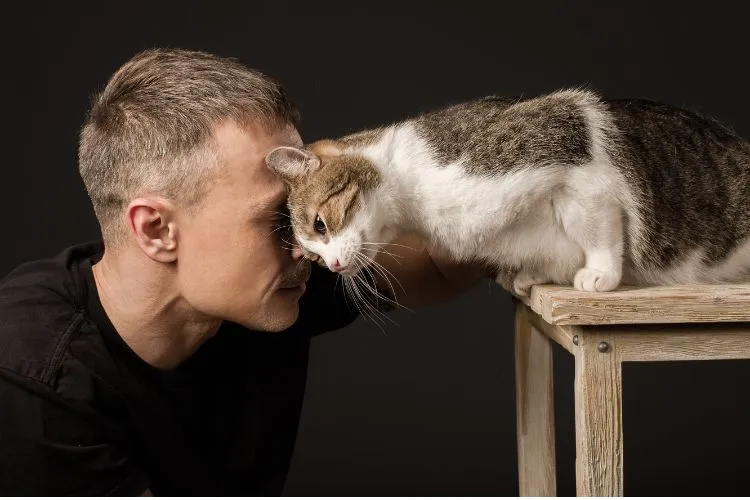
Providing an Enriching Environment for Cats
Satisfying a cat's innate need to scratch is critical for their well-being and for preserving your furniture. Providing appropriate vertical scratching surfaces, such as sturdy posts or textured pads, allows them to engage in this natural behavior. Placing these items in strategic locations, particularly near sleeping areas or areas where they frequently scratch furniture, can redirect this instinct effectively. Vertical scratchers also allow cats to stretch their bodies fully, which is beneficial for their muscles and joints, further contributing to their overall health. 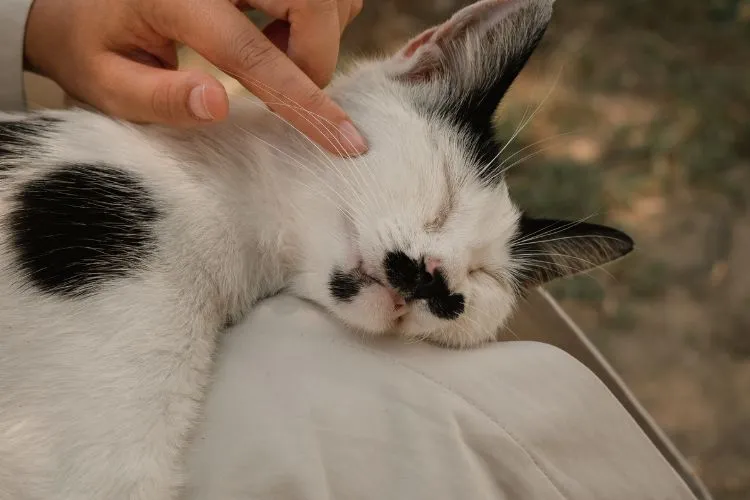
Engaging in regular, interactive play sessions is not just about exercise; it's a vital component of mental stimulation and bonding for cats. Toys that mimic prey, like feather wands or laser pointers (used responsibly to avoid frustration), tap into their natural predatory instincts. Consistent play sessions help prevent boredom, reduce stress, and strengthen the human-animal bond. These sessions provide an outlet for their energy and reinforce their role as hunters in a safe, controlled setting, leading to a more contented and connected pet. 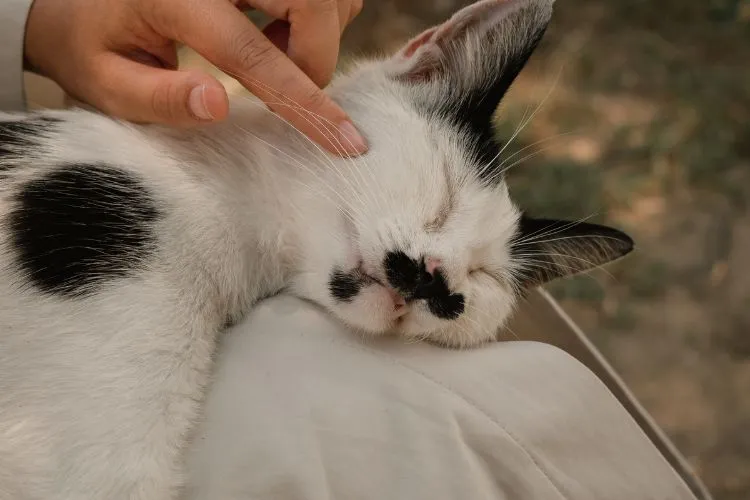
Fostering Connection Through Rewards and Environment
High-quality treats can serve as powerful tools for building trust and reinforcing positive behaviors. Offering a special treat during training sessions or simply as a gesture of affection can create strong positive associations with your presence. It is important to select treats that are nutritious and suitable for your cat's dietary needs, and to offer them in moderation to prevent overfeeding. This simple act of offering a favored treat can significantly deepen the bond, making your cat feel valued and understood. 
Creating a cat-friendly environment that caters to their instinctual needs is paramount. This includes providing ample vertical space with cat trees, shelves, or window perches, allowing them to survey their surroundings from a safe vantage point. Equally important are quiet, secure hiding spots, such as covered beds or cardboard boxes, where they can retreat for privacy and rest. Such an environment reduces stress and anxiety, fostering a sense of security that encourages a more affectionate and interactive relationship with their human companions. 
Communication and Affection Strategies
The 'slow blink' is a recognized feline gesture of trust and affection, akin to a gentle greeting or acknowledgment. When you engage in slow blinks with your cat, you are communicating feelings of safety and relaxation. By reciprocating this behavior when your cat slow blinks at you, you create a reciprocal loop of positive communication. This non-threatening interaction helps to diffuse tension and build a stronger sense of companionship, signaling that you are a source of comfort and security for your feline friend. 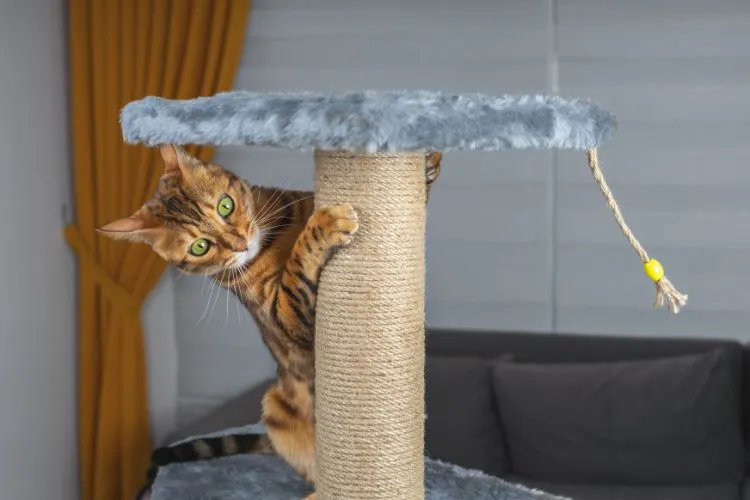
Allowing your cat to initiate petting sessions respects their autonomy and comfort levels. Instead of forcing interaction, observe for signs that your cat is receptive to physical contact, such as nudging your hand or rubbing against your legs. Responding to these invitations by providing gentle scratches and petting in their preferred areas—often around the head, chin, and base of the tail—will foster a sense of trust and mutual respect. This approach ensures that interactions are always positive and on your cat's terms, making them feel safe and cherished. 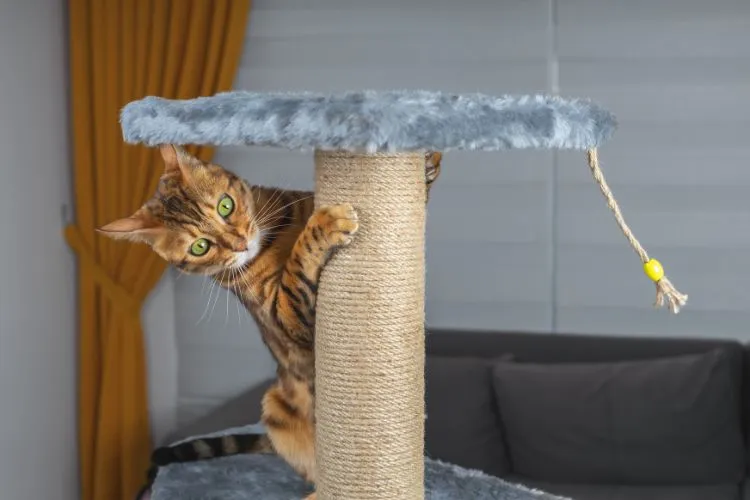
Quality Time and Lasting Bonds
Dedicated quality time is perhaps the most effective method for solidifying the human-cat bond. This doesn't require elaborate activities; simply being present and engaged with your cat can make a significant difference. This might involve reading a book in their vicinity, engaging in gentle grooming, or enjoying a quiet petting session. Integrating your cat into your daily routines, allowing them to 'supervise' your activities or share quiet moments, reinforces their place as an integral part of your life and deepens your connection. 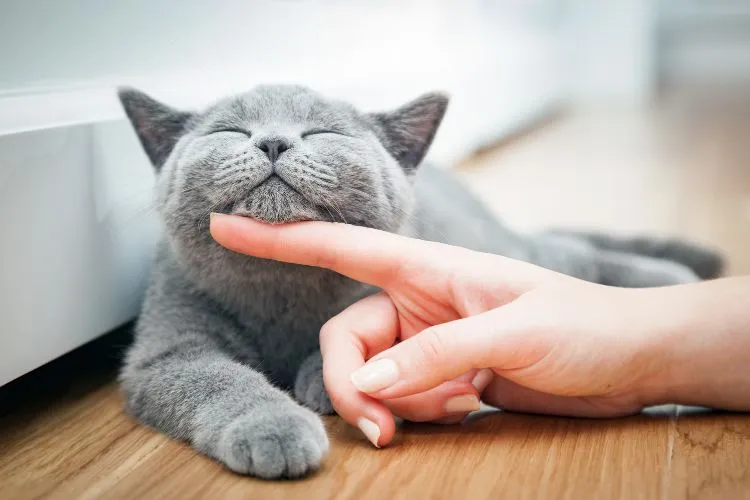
The process of building a strong bond with a cat is an ongoing journey that requires patience, consistency, and a genuine understanding of their needs. By implementing these ten tips—from deciphering their body language to providing stimulating environments and engaging in interactive play—you are actively nurturing a relationship based on trust and mutual affection. Embracing your cat's unique personality and celebrating the small moments of connection will lead to a profoundly rewarding and lasting companionship.
Impact Analysis
The insights provided in this article offer a practical framework for cat owners seeking to deepen their relationship with their pets. By emphasizing understanding, positive reinforcement, and environmental enrichment, these strategies contribute not only to the cat's emotional well-being but also to a more harmonious household. The emphasis on feline-specific communication and respecting their boundaries promotes a shift from a potentially anthropomorphic view of pet ownership to one that truly honors the animal's nature. This approach can reduce behavioral issues stemming from stress or miscommunication, leading to more stable and affectionate pets, and by extension, more satisfied owners. The principles discussed align with broader trends in pet care that prioritize mental and emotional health alongside physical well-being.