The Great Dane, a breed often described as a "gentle giant," defies its imposing stature with a remarkably affectionate and gentle demeanor. These dogs, standing at least 30 inches from paw to shoulder, frequently exhibit a charming unawareness of their own considerable size, often attempting to behave like much smaller lapdogs. Historically, the breed's lineage can be traced back to ancient Greece, with depictions of boarhounds dating to the 13th-14th centuries BC. These powerful dogs gained prominence throughout Europe as formidable hunting companions, capable of taking down large game such as wild boar. Centuries later, their presence in England saw the emergence of what were then known as "English Dogs," before the breed eventually found its way to Germany, where it was further developed and ultimately adopted the name "Great Dane" in the 19th century.
Despite their historical use in hunting and protection, modern Great Danes are widely recognized for their loving, sweet, and docile temperaments. Their popularity is evidenced by their consistent ranking among favored dog breeds, currently standing as the 24th most popular according to the American Kennel Club. This appeal is readily understood when observing their endearing interactions and unique personalities, which are often captured in humorous and heartwarming photographs. These gentle behemoths, despite their intimidating size, possess a profound capacity for companionship and are beloved by many for their playful and affectionate nature.
The Enduring Appeal of Great Danes
The Great Dane's captivating presence and gentle disposition have cemented its place as a favored breed worldwide. Their imposing height, with the record-holding Zeus reaching an astonishing 44 inches at the shoulder, contributes to their majestic appearance. Yet, beneath this grandeur lies a profoundly loyal and affectionate companion. Their historical journey from ancient hunting grounds to the status of cherished family pets is a testament to their adaptability and the enduring human appreciation for their unique blend of strength and tenderness.
Great Danes: More Than Just Size
While their colossal size is their most distinguishing feature, the true essence of the Great Dane lies in its personality. These dogs are known for being particularly good with children and other animals when properly socialized, often forming strong bonds within their families. Their gentle nature makes them ideal companions for various households, provided they receive adequate space, training, and, most importantly, affection. Their intelligence and eagerness to please also make them responsive to training, although their size can present unique challenges that require consistent guidance.

The breed's history underscores its versatility and resilience. Initially bred for formidable tasks like hunting large game and guarding estates, the Great Dane has evolved into a symbol of canine companionship. This evolution reflects not only changes in societal needs but also a deeper understanding of the breed's inherent qualities. From the battlefields to the hearth, the Great Dane has consistently demonstrated a capacity for both strength and gentleness, making them a truly remarkable breed.
Anecdotes Highlighting the Great Dane's Character
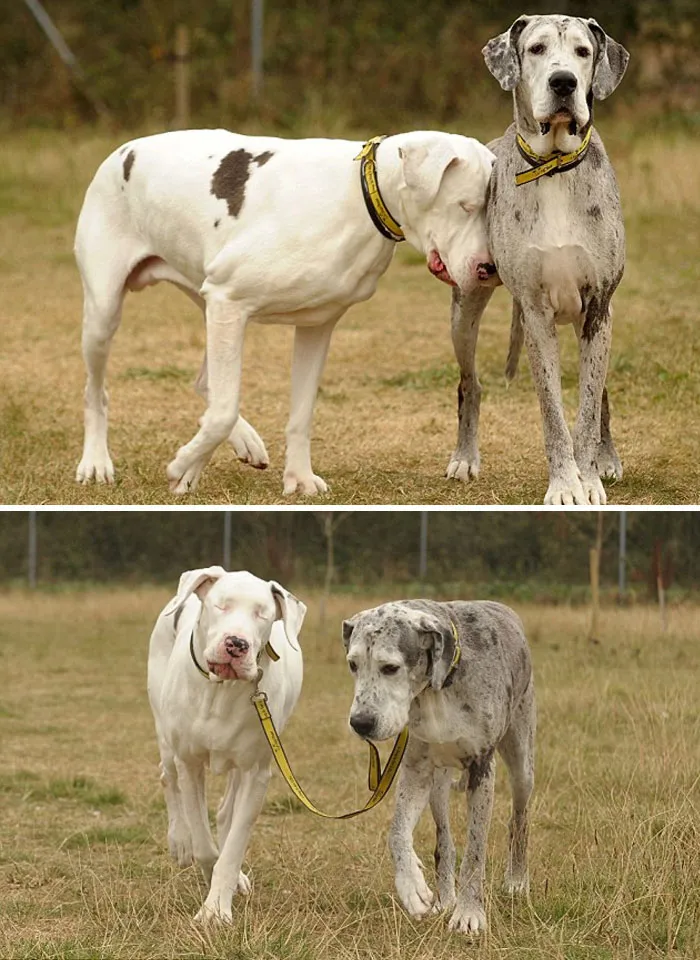
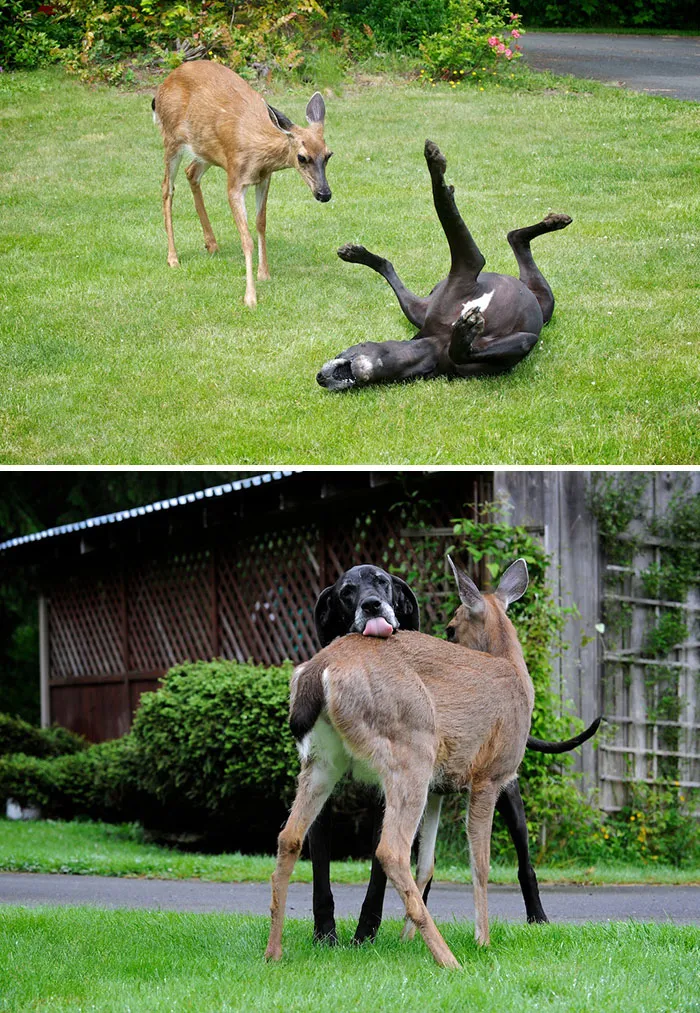
Numerous anecdotes and images capture the endearing quirks of Great Danes, often highlighting their gentle nature and amusing unawareness of their size. One such heartwarming story involves a Great Dane named Lily, who, despite being blind, has a devoted seeing-eye dog, Maddison, who guides her on walks. Similarly, stories of Great Danes forming close bonds with other species, such as a Great Dane named Kate adopting an orphaned fawn named Pippin, showcase the breed's nurturing and compassionate instincts. These instances offer a glimpse into the extraordinary emotional depth of these gentle giants.
The inherent sweetness of the breed is further illustrated by accounts of Great Danes interacting with their human families. Stories of dogs responding with attentiveness to their owners' narratives or forming deep friendships with other pets, like a young Great Dane sharing a close bond with a cat, paint a picture of these dogs as not just pets, but as integral members of the family. Their capacity for affection and their desire for companionship are profound, often leading to humorous situations that underscore their loving nature.
Training and Socialization for Great Danes
Effective training and early socialization are crucial for any dog, but particularly for a breed as large as the Great Dane. Positive reinforcement methods are highly recommended, focusing on consistency and patience. Early exposure to various environments, people, and other animals helps to shape their temperament, ensuring they grow into well-adjusted adults. Basic obedience training is essential not only for managing their size but also for fostering a strong bond between dog and owner.
A well-trained Great Dane is a joy to behold, exhibiting both physical grace and a calm, obedient nature. Training should commence as early as possible, capitalizing on their intelligence and eagerness to please. Consistent practice of commands and social etiquette helps to reinforce good behavior, making them reliable and delightful companions. Understanding their developmental stages, from playful puppyhood to their adolescent growth spurts, is key to guiding them through a successful training journey.
The Great Dane in Popular Culture and Society
Great Danes have long captured the public imagination, appearing in literature, film, and popular media, often as symbols of nobility, loyalty, and companionship. Their distinctive appearance has made them iconic figures, from the beloved animated character Scooby-Doo, who shares the breed's characteristic floppy ears and immense size, to their presence in historical artworks and royal courts. Their consistent ranking in popularity polls reflects their broad appeal as both majestic animals and devoted pets.

The breed's role in popular culture highlights its deep connection with human society. Whether portrayed as protectors, companions, or characters embodying strength and gentleness, Great Danes resonate with audiences across generations. Their unique combination of physical presence and affectionate personality makes them enduringly popular, securing their status as one of the most recognizable and beloved dog breeds in the world.