The San Antonio Spurs faced a significant challenge in Game 2 against the Oklahoma City Thunder, primarily due to their persistent ball-security issues. While Victor Wembanyama's presence and Dylan Harper's earlier standout performance in Game 1 may have masked this problem, the stark reality emerged in their subsequent matchup. The Spurs committed 21 turnovers in Game 1, which the Thunder converted into 28 points, including 16 from fast breaks. This trend continued into Game 2, with another 21 turnovers leading to 27 points for Oklahoma City, despite a shorter game duration. Wembanyama's impact was diminished, Harper showed the typical struggles of a rookie against elite defense, and the Thunder ultimately leveled the series with a 122-113 victory.
A key factor contributing to the Spurs' ball-handling difficulties was the absence of a crucial playmaker, De'Aaron Fox. Fox, known for his athletic advantages and low turnover rate (averaging fewer turnovers per game than John Stockton despite higher usage), provides a dynamic element to the Spurs' offense that was sorely missed. Without him, the playmaking responsibilities fell heavily on the shoulders of Harper and Stephon Castle. Harper, though a skilled ball-handler and adept finisher, often navigates winding paths to the basket, increasing his exposure to defensive pressure and making him a target for Oklahoma City's active defenders. Castle, while possessing immense strength and explosiveness, exhibits a more unrefined approach with the ball. Both players are expected to develop their floor generalship in the coming years, but asking them to consistently orchestrate clean offense against the tenacious Thunder defense is a considerable demand.
Defensive Adjustments and Player Performance
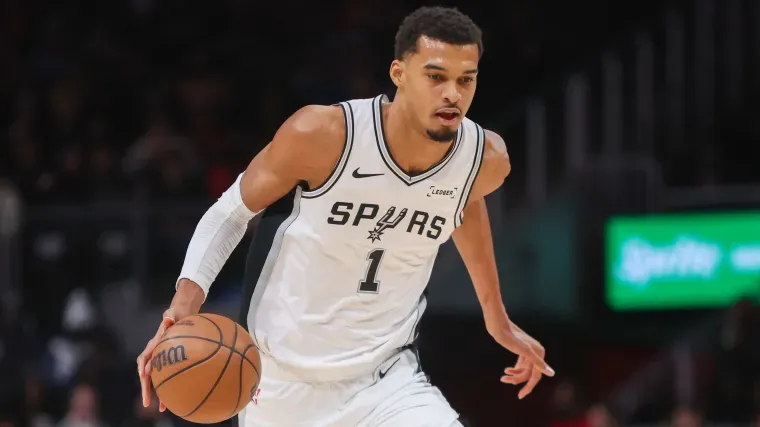
Oklahoma City's defensive adjustments after Game 1 proved highly effective. Coach Mark Daigneault initially deployed his taller wing players on Wembanyama, which inadvertently created opportunities for Harper and Castle to drive against potential mismatches. This strategy also allowed Wembanyama to secure nine offensive rebounds and capitalize on alley-oops, even when closely guarded by smaller players. For Game 2, Daigneault shifted his strategy, assigning Isaiah Hartenstein to disrupt Wembanyama. This involved aggressive physicality, including hooking elbows and physical contact away from the ball, aimed at limiting Wembanyama's shot attempts. This tactic was successful, as Wembanyama managed only 16 shots, and despite the Spurs holding a one-point lead with him on the floor, their overall offensive struggles prevented them from building a sustainable advantage.
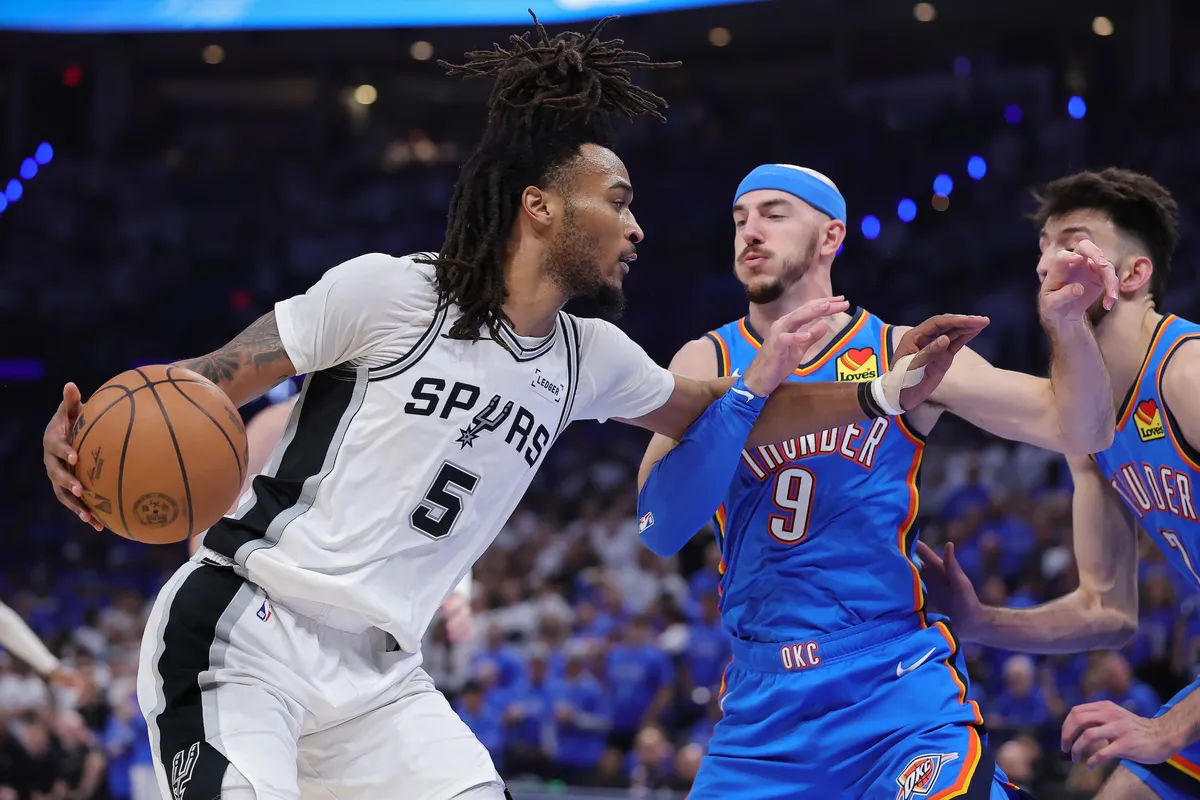
Stephon Castle's performance in particular highlighted the Spurs' ball-handling woes. In Game 1, he was credited with 11 turnovers, nine of which were live-ball giveaways, and this undercounted the extent of his struggles. Oklahoma City's perimeter defenders excel at intercepting passes and swarming drivers who overcommit. Castle's tendency to force his way into the paint often leads to hurried decisions and turnovers. He committed another nine turnovers in Game 2, a number that felt even higher considering several possessions where he nearly lost the ball multiple times. Castle's 20 turnovers across the first two games are a record for a player in consecutive playoff games, placing immense pressure on his team.
Player Perspectives and Team Struggles
Castle himself acknowledged the issue, stating, "It's more personal on my end, just really speeding myself up, not allowing our screeners to get hits. I'm putting us at a disadvantage to start the game with those." While Castle's aggressive drives and willingness to take tough shots can sometimes salvage broken plays, and his physical strength is an asset, his turnover proneness significantly hampers the Spurs' offensive flow, especially when Wembanyama is off the court. The Spurs' offense, which is already approximately seven points worse per 100 possessions with Wembanyama on the bench, performs even worse when Castle is sidelined.
The outlook for the Spurs' guard situation remains uncertain. De'Aaron Fox's return for Game 3 is not guaranteed, with Coach Mitch Johnson describing his status as day-to-day. Adding to the concern, Dylan Harper suffered a hamstring injury in the third quarter of Game 2 and did not return, requiring an MRI before Game 3. The potential absence of two key playmakers further complicates the Spurs' ability to handle the ball against a formidable Thunder defense. While San Antonio possesses guard depth, the current circumstances force them to rely on less experienced players like Jordan McLaughlin and Lindy Waters III to initiate offense, roles for which they may not be adequately prepared against this level of competition.
Historical Context and Future Implications
The historical data underscores the difficulty of overcoming significant turnover margins in high-stakes games. Since 1971, teams committing 20 or more turnovers in a conference finals game have a losing record, winning only 50 of 150 such instances. This highlights the critical nature of possession in playoff basketball. Oklahoma City's proficiency in forcing turnovers exacerbates the challenge for teams already struggling with ball security. Coach Johnson recognized this, noting, "Obviously, OKC is as good as anybody at turning you over. So when you’re down some of your primary creators and initiators, it causes a little bit of an extra strain." Against a team as strong as the defending champions, any additional strain can prove insurmountable.