Deep Dive into Binocular Optics and Construction
Understanding Core Optical Principles
The fundamental performance of any binocular is rooted in its optical design, specifically the interplay between magnification, objective lens diameter, and the chosen prism system. Magnification, denoted by the first number in specifications like 10x42, dictates how many times closer an object appears. While higher magnification brings distant objects into greater apparent proximity, it invariably reduces the field of view and amplifies hand shake, making a stable image more challenging to maintain. The objective lens diameter, the second number, directly impacts the instrument's light-gathering capability. A larger objective lens allows more light to enter, resulting in brighter images, particularly beneficial in low-light conditions or for astronomical observation. However, larger objective lenses also increase the binocular's overall size and weight.
Prism Systems and Image Quality
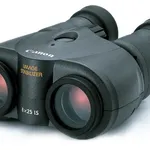
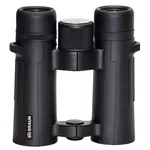
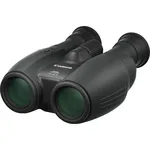
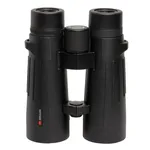
Binoculars employ prisms to re-invert the image (which would otherwise appear upside down and reversed) and to fold the light path, reducing the physical length of the optical instrument. The two primary prism types are Porro and Roof. Porro prism binoculars, characterized by their classic, staggered objective lenses and eyepieces, offer a wider, more three-dimensional image due to greater stereoscopic separation. They typically achieve higher light transmission due to fewer reflective surfaces and simpler coatings required. Roof prism binoculars, conversely, feature a more compact, straight-line barrel design, making them sleeker and often lighter. However, the more complex light path within roof prisms necessitates precise manufacturing and often requires phase-correction coatings to prevent destructive interference and maintain resolution and contrast. Without these advanced coatings, roof prism binoculars can exhibit a slight reduction in image sharpness and color fidelity compared to their Porro counterparts.
The Crucial Role of Lens Coatings
Lens coatings are paramount to binocular performance, significantly influencing light transmission, contrast, and color rendition. Uncoated lenses reflect a substantial portion of incident light (around 4-5% per surface), leading to image degradation and reduced brightness. Manufacturers apply thin, transparent layers of magnesium fluoride or other compounds to lens surfaces to minimize reflection and maximize light throughput. Basic 'Coated' binoculars have at least one surface coated. 'Multi-Coated' (MC) indicates that multiple layers have been applied to at least one lens surface. 'Fully Multi-Coated' (FMC) signifies that all air-to-glass surfaces throughout the optical system are treated with multiple anti-reflective coatings. FMC binoculars offer superior brightness, contrast, and true-to-life color, especially critical in challenging lighting environments, by significantly reducing internal reflections and flare.
Ergonomics, Durability, and Specialized Features
Beyond optical performance, binocular design encompasses crucial ergonomic and durability factors. Eye relief, the distance from the eyepiece lens to the point where the full field of view is observed, is vital for user comfort, particularly for those wearing eyeglasses. A generous eye relief (typically 15mm or more) allows spectacle wearers to see the entire field of view without removing their glasses. The exit pupil, calculated as the objective lens diameter divided by magnification, dictates the apparent brightness of the image to the viewer's eye. An exit pupil matching or exceeding the user's dilated pupil (which can be up to 7mm in darkness for younger individuals, decreasing with age) ensures maximum light transfer. Durability features like waterproofing, achieved by O-ring seals, and fog-proofing, often through nitrogen or argon purging, prevent internal moisture and condensation, crucial for reliable performance in adverse weather conditions. The chassis material, often aluminum, magnesium alloy, or high-strength polycarbonate, combined with rubber armoring, contributes to robust construction and shock absorption, protecting the delicate optics within.