


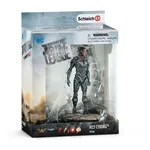
Advanced Engineering and Production Methodologies in Collectible Figures
Understanding Advanced Articulation Systems
The core of a dynamic collectible figure lies in its articulation engineering. Contemporary figures often feature upwards of 30 points of articulation, meticulously designed to replicate human anatomy and character-specific poses. Key innovations include ratcheted joints, which provide firm, click-stop positioning, preventing unwanted limb drift, especially critical for larger scales like 1/6. Hidden articulation mechanisms, such as integrated butterfly joints within shoulder blocks and discrete ab-crunch sections, allow for extreme forward and backward torso movement while maintaining a seamless sculpt. The material choice for these joints is paramount; high-density plastics like POM (polyoxymethylene) are frequently employed due to their low friction coefficient and high wear resistance, ensuring longevity and smooth operation over countless adjustments.
Material Science and Manufacturing Precision
The selection and application of polymers are critical in figure production. PVC is favored for its flexibility and ability to capture intricate details, commonly used for heads, hands, and softer costume elements that require a degree of pliability. ABS, a harder and more rigid plastic, is typically utilized for core body parts, armor, and structural components where stiffness and impact resistance are essential. The manufacturing process often involves multi-cavity injection molding, where molten plastic is forced into highly detailed steel molds under immense pressure. This technique allows for exceptional consistency and precision, minimizing flash (excess plastic) and ensuring tight tolerances between moving parts. Some premium figures also incorporate die-cast metal elements, usually in feet or weapon components, to add a satisfying heft and enhance perceived quality and stability.
Precision Sculpting and Digital Prototyping
The journey from concept to tangible figure increasingly relies on advanced digital sculpting software like ZBrush and Maya. Artists digitally sculpt characters with unparalleled detail, often referencing 3D scans of actors or costumes. This digital model then undergoes a rigorous prototyping phase, utilizing high-resolution 3D printing technologies (e.g., SLA – Stereolithography) to create physical prototypes for scale verification, articulation testing, and initial paint masters. This iterative digital-to-physical workflow drastically reduces development time and enhances accuracy, ensuring the final product closely matches the approved digital render.
Multi-Layered Paint Applications and Weathering Techniques
Achieving realistic finishes and intricate details on collectible figures demands sophisticated paint application techniques. Base coats are applied, often via automated spray systems, followed by manual airbrushing for subtle shading, gradients, and light source emulation. Tampon printing (pad printing) is essential for applying ultra-fine details like insignia, text, or character specific patterns with pinpoint accuracy, impossible to achieve manually. Furthermore, advanced weathering techniques, including dry-brushing, washes, and spatter effects, are meticulously applied to simulate wear, battle damage, or environmental exposure, adding depth and narrative to the figure. Protective matte or gloss clear coats are then applied to seal the paintwork, preventing chipping and providing a consistent surface finish.
Textile Integration and Mixed Media Approaches
Beyond traditional plastics, many high-end collectible figures incorporate real fabric elements for costumes. This "mixed media" approach significantly enhances realism and allows for greater freedom of movement compared to sculpted plastic garments. Tailors work to scale, creating miniature patterns and sewing intricate outfits that drape naturally and accommodate the figure's articulation. The choice of fabric, stitching technique, and integration with plastic body parts are critical considerations to prevent bunching or restrictive movement, ensuring both aesthetic appeal and functional playability.