

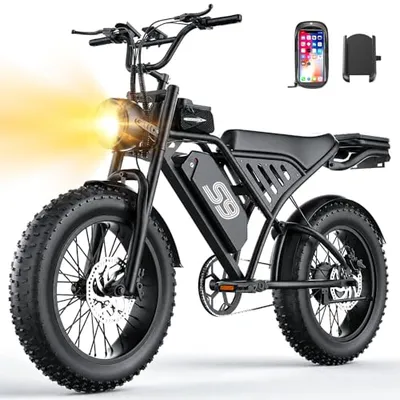
Deep Dive into Electric Off-Road Bike Technology and Performance
Motor Architectures: Hub vs. Mid-Drive
The heart of any electric off-road bike is its motor, primarily categorized into hub-drive and mid-drive systems. Hub motors, integrated into the front or rear wheel, offer a simpler, often more affordable setup. While they provide direct power delivery, their weight distribution can be less ideal for technical climbing, and they can place additional stress on spokes. Mid-drive motors, conversely, are centrally mounted near the bottom bracket, leveraging the bike's existing gearing system. This integration allows for superior torque delivery, better weight distribution, and improved efficiency, especially on steep gradients, as the motor works in harmony with the rider's gear selection. This synergy translates to a more natural riding feel and optimized battery usage.
Battery Technology and Management
The range and power output of an e-bike are directly linked to its battery system. Lithium-ion (Li-ion) batteries are standard due to their high energy density and relatively low self-discharge rates. Key specifications include voltage (V) and amp-hours (Ah), which combine to give watt-hours (Wh), indicating total energy capacity. Higher Wh values translate to longer ranges. Modern e-bike batteries feature sophisticated Battery Management Systems (BMS) that protect against overcharging, over-discharging, and temperature extremes, ensuring safety and longevity. Charging times vary significantly based on charger output and battery capacity, typically ranging from 3 to 8 hours for a full charge. Proper battery care, including storage temperature and charge level, is crucial for maximizing its lifespan.
Suspension Systems and Frame Dynamics
Off-road capability hinges on robust suspension and frame design. Full-suspension bikes, featuring both front (fork) and rear (shock) suspension, are designed to absorb significant impacts, providing enhanced traction, control, and rider comfort over extremely rough terrain. The travel distance of the suspension (e.g., 140mm-180mm) dictates its suitability for different trail types, from aggressive enduro to more agile trail riding. Hardtail bikes, with only front suspension, are lighter and more efficient on smoother trails but offer less comfort and control on technical descents. Frame materials like hydroformed aluminum or carbon fiber are chosen for their strength-to-weight ratio and ability to dampen vibrations. Frame geometry is critically tuned, often featuring slacker head tube angles for stability at speed and steeper seat tube angles for efficient climbing, ensuring the bike performs optimally under electric power.
Braking and Component Integration
Given the increased speeds and weight of electric off-road bikes, high-performance hydraulic disc brakes are indispensable. These systems offer superior stopping power, modulation, and fade resistance compared to mechanical brakes, which is vital for safe and controlled descents. Rotor size (e.g., 180mm-220mm) also plays a role, with larger rotors dissipating heat more effectively. Drivetrain components, while often conventional bike parts, must withstand the additional torque from the motor, making robust chains, cassettes, and derailleurs crucial. Tire selection is another critical element, with aggressive tread patterns and durable casings designed for enhanced grip and puncture resistance across varied off-road surfaces. Many e-MTBs also incorporate dropper seat posts, allowing riders to quickly adjust saddle height for optimal climbing efficiency and descending control, further enhancing the overall riding experience.