Playmats

Technical specifications, key pros & cons, and real-time price comparison of 5 Playmats models.

Filters
Brand
Features
Material
Product colour
Recommended age (min)
Recommended age (max)
Suggested gender
Suitable for indoor use
Toy bar
Number of toy bars
Detachable toy bar
Built-in mirror
Product type
Assembly required
Sounding
Languages support
Year
Country of origin
Lighting effects supported
Certification
Learning & training skills
Battery
Batteries required
Number of batteries supported
Battery type
Battery technology
Weight & dimensions
Width
Height
Depth
Length
Weight
Packaging data
Package width
Package depth
Package height
Package weight
Package type
Packaging content
Quantity
Batteries included
Vehicle included
Teether included
Packaging content
Logistics data
Quantity per pack
Technical details
Compliance certificates
App required for full functionality
Independently connects to the internet
Other features
Safety warning
Sustainability
Doesn't contain
Supplier features
Suitable only for adults
Number of pieces
Packaging languages (ISO 639 format)
Commercial unit type
(cdm) Audiences
Features
Material
Product colour
Recommended age (max)
Suggested gender
Suitable for indoor use
Toy bar
Number of toy bars
Detachable toy bar
Built-in mirror
Product type
Assembly required
Sounding
Year
Country of origin
Lighting effects supported
Certification
Languages support
Other features
Recommended age (min)
Recommended age (max)
Safety warning
Physics and Anatomy
Learning & training skills
Battery
Batteries required
Number of batteries supported
Battery type
Battery technology
Weight & dimensions
Width
Height
Depth
Length
Weight
Packaging data
Package width
Package depth
Package height
Package weight
Package type
Packaging content
Quantity
Batteries included
Vehicle included
Teether included
Packaging content
Logistics data
Quantity per pack
Technical Details
Compliance certificates
App required for full functionality
Independently connects to the internet
Sustainability
Doesn't contain
Supplier features
Suitable only for adults
Number of pieces
Commercial unit type
(cdm) Audiences
Packaging languages (ISO 639 format)
Price Range
Up to
User Rating
Sort by:
0.0
(1)
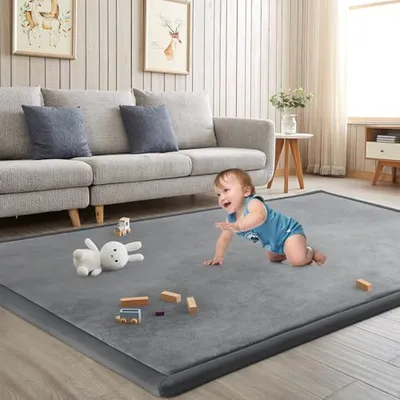
36.98 $
  • Material
    Coral Velvet, Memory Foam
  • Recommended age (min)
    0 Months
  • Learning & training skills
    Crawling, Motor Skills, Sensory Development
  • Batteries required
    No
  • Width
    50 Cm
  • Package width
    -
36.98 $
0.0
(1)
0.0
(1)
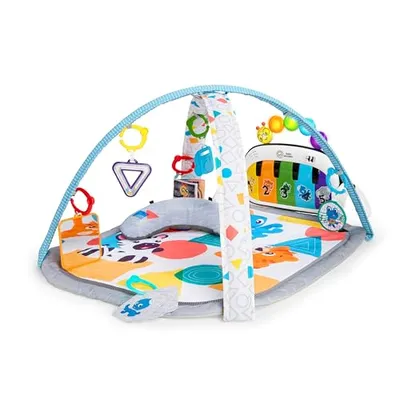
49.97 $
  • Material
    BPA-free
  • Recommended age (min)
    0 Months
  • Learning & training skills
    Fine Motor Skill Development, Gross Motor Skill Development, Cause And Effect Skills
  • Batteries required
    Yes
  • Width
    34 Inches
  • Package width
    14.17 In
49.97 $
0.0
(1)
0.0
(1)
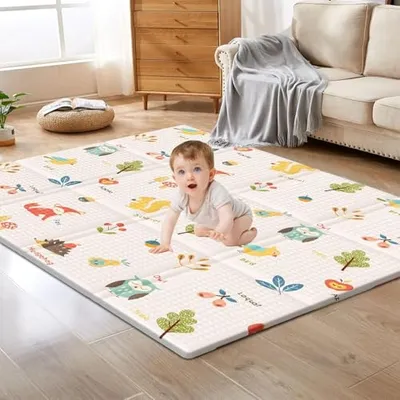
26.99 $
  • Material
    XPE Foam
  • Recommended age (min)
    0 Months
  • Learning & training skills
    Crawling, Motor Skills, Sensory Development
  • Batteries required
    No
  • Width
    119.4 Cm
  • Package width
    40 Cm
26.99 $
0.0
(1)
0.0
(1)
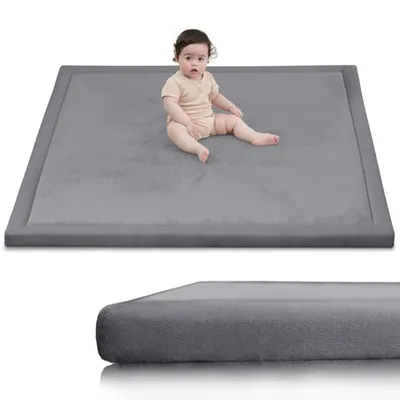
39.99 $
  • Material
    Non-shedding Fabric
  • Recommended age (min)
    0 Months
  • Learning & training skills
    Crawling, Tummy Time
  • Batteries required
    No
  • Width
    50 Inches
  • Package width
    7.44 In
39.99 $
0.0
(1)
0.0
(1)
34.99 $
  • Material
    Padding Foam And Polyester Fiber On Surface
  • Recommended age (min)
    0 Months
  • Learning & training skills
    Motor Skills Development
  • Batteries required
    No
  • Width
    50 Inches
  • Package width
    12.32 In
34.99 $
0.0
(1)

The Engineering Behind Optimal Playmat Performance

The Engineering Behind Optimal Playmat Performance

Modern playmats are far more than simple desk coverings; they are precision-engineered surfaces designed to enhance productivity, gaming performance, and workstation ergonomics. Their efficacy stems from a sophisticated multi-layer construction, where each component is selected for specific mechanical and tactile properties. The synergy of these layers dictates the mat's friction profile, durability, and user comfort, making material science a pivotal aspect of design.

At the core of a high-performance playmat is its surface material. Typically crafted from finely woven polyester or microfiber, the textile layer undergoes specialized treatments to achieve distinct friction characteristics. "Speed" surfaces feature a tighter, smoother weave, minimizing resistance for rapid mouse movements and quick adjustments. Conversely, "control" surfaces employ a coarser, more textured weave, providing enhanced tactile feedback and greater stopping power, crucial for precision tasks or specific gaming styles. Advanced dye-sublimation printing techniques integrate graphics directly into the fabric fibers, ensuring designs are durable and do not interfere with sensor tracking.

Core Construction and Base Stability

Beneath the surface lies the cushioning substrate, most commonly high-density neoprene rubber. This material offers excellent elasticity, providing a comfortable, yielding surface that reduces wrist fatigue during prolonged use. Neoprene's closed-cell structure also contributes to a degree of water resistance, making it resistant to minor spills and easier to clean. The thickness of this layer, typically ranging from 2mm to over 5mm, significantly influences both comfort and the mat's overall desk stability. Thicker mats tend to absorb more impact and provide a more substantial feel.

The foundational element of any reliable playmat is its anti-slip base. This layer, almost universally made from natural or foamed rubber, is crucial for preventing unwanted movement during intense activity. The rubber is often textured with patterns such as herringbone, waffle, or diamond knurls to maximize its coefficient of friction against the desk surface. This non-slip property ensures that the mat remains firmly in place, providing a consistent and uninterrupted operating area, which is paramount for competitive gaming or detailed design work.

Edge Reinforcement and Longevity

Durability is significantly enhanced by edge stitching. Unstitched playmats are prone to fraying and delamination over time, particularly at high-contact areas. Precision-stitched edges, often using tightly woven nylon or polyester thread, encapsulate the fabric and rubber layers, preventing separation and extending the mat's lifespan considerably. Low-profile stitching is often preferred to minimize any interference with arm or wrist movement. Regular cleaning with mild soap and water is recommended to maintain surface integrity and tracking performance, ensuring the playmat continues to function at its optimal capacity for years.