



A Technical Deep-Dive into Braces, Supports & Wraps Subcategories
Understanding Your Support Needs: A Technical Guide
The overarching category of Braces, Supports & Wraps represents a cornerstone in rehabilitative and preventative care, offering an extensive range of solutions to address musculoskeletal challenges. Each subcategory within this domain is specifically designed with distinct engineering principles and material sciences to achieve targeted therapeutic effects. From dynamic support to rigid immobilization, these devices play a crucial role in reducing pain, restoring function, and safeguarding against further injury.
Elastic Therapeutic Tapes
Elastic Therapeutic Tapes, commonly known as kinesiology tapes, are distinguished by their unique elastic properties that mimic human skin. These adhesive tapes are engineered to provide dynamic support without restricting the full range of motion. Their mechanism of action involves lifting the skin, which can decompress underlying tissues, improve circulation, facilitate lymphatic drainage, and enhance proprioception. Applied with specific tension and patterns, Elastic Therapeutic Tapes are widely utilized in sports medicine for muscle support, pain relief, swelling reduction, and improved athletic performance. Their breathable, water-resistant, and latex-free composition allows for multi-day wear, making them an effective tool for continuous therapeutic intervention.
Braces, Splints & Supports
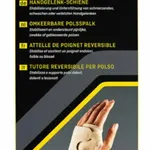
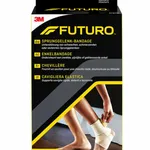
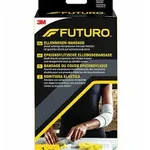
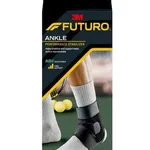
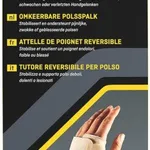
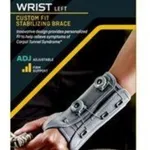
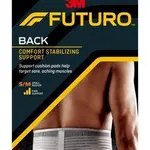
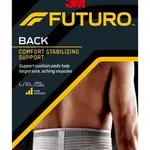
This broad and critical subcategory, Braces, Splints & Supports, encompasses a vast array of devices designed to provide varying degrees of stabilization, compression, and protection to joints and limbs. Products range from soft, compressive sleeves that offer mild support for minor sprains and strains to rigid splints and hinged braces that provide substantial immobilization for post-fracture or post-surgical recovery. Materials often include neoprene, elastic fabrics, rigid plastics, and metal alloys, selected for their specific properties related to compression, durability, and structural integrity. Key examples include knee braces for ligamentous injuries, ankle supports for instability, wrist splints for carpal tunnel syndrome, and back supports for lumbar pain. Precise fitting, adjustability, and anatomical conformity are paramount for optimizing therapeutic efficacy and ensuring patient compliance.
Cast & Bandage Protectors
Maintaining the integrity and hygiene of medical dressings is essential for successful recovery, and this is where Cast & Bandage Protectors become indispensable. These specialized covers are designed to create a watertight seal, effectively protecting casts, bandages, and wound dressings from water exposure during showering, bathing, or inclement weather. Typically constructed from durable, flexible, and latex-free materials, they feature robust seals at the entry point to prevent any water ingress. The use of Cast & Bandage Protectors is crucial in preventing infections, preserving the structural stability of the cast or bandage, and allowing patients to maintain personal hygiene, thereby significantly enhancing comfort and adherence to treatment protocols during the healing process.
Cervical Collars & Neck Braces
The subcategory of Cervical Collars & Neck Braces is dedicated to providing critical support and immobilization for the cervical spine, addressing conditions ranging from minor neck strains to severe spinal trauma. These devices are classified by their level of rigidity and the degree of motion restriction they provide. Soft cervical collars offer minimal support and warmth, primarily used for minor whiplash or muscle strains. Semi-rigid collars, such as the Philadelphia collar, provide a moderate level of immobilization, restricting flexion, extension, and rotation more effectively. Rigid collars are reserved for cases requiring maximum immobilization, such as unstable fractures or post-surgical fusion, ensuring precise anatomical alignment. The judicious selection of the appropriate cervical device is critical and must be guided by a thorough medical assessment to optimize stabilization, reduce pain, and facilitate neurological recovery.