

A Technical Deep Dive into Adhesive Bandage Technology and Design
Understanding Adhesive Bandage Construction and Functionality
At its core, an adhesive bandage is a multi-layered composite device, meticulously designed to perform several critical functions in wound care. Each layer contributes uniquely to the bandage's overall efficacy, from physical protection to facilitating physiological healing. The typical construction involves a backing material, an absorbent pad positioned over the wound site, an adhesive layer encompassing the pad, and a protective release liner. The precise engineering of these components dictates the bandage's performance characteristics, including its breathability, water resistance, flexibility, and hypoallergenic properties.
Advanced Backing Materials and Their Properties
The backing material provides the structural integrity of the bandage and significantly influences its tactile feel, conformability, and environmental resistance. Common materials include various forms of woven or non-woven fabrics, polyurethane films, and polyethylene plastics. Woven fabric backings, often made from cotton or synthetic blends, offer excellent flexibility and breathability, making them ideal for areas requiring movement and allowing moisture vapor to escape. Non-woven backings provide enhanced softness and conformability. Polyurethane films are widely used for their waterproof and transparent qualities, allowing for visual inspection of the wound without removal while creating a moist wound environment. Each material is selected based on desired performance attributes, such as durability, elasticity, and aesthetic appeal.
The Science of Adhesion: Medical-Grade Adhesives
The adhesive layer is arguably the most critical component, responsible for securely affixing the bandage to the skin while minimizing trauma upon removal. Medical-grade adhesives are highly specialized, formulated to be skin-compatible, hypoallergenic, and to maintain adhesion in various conditions, including moisture and movement. Common adhesive chemistries include acrylics, synthetic rubber-based compounds, and silicones. Acrylic adhesives offer strong, long-lasting adhesion suitable for extended wear. Rubber-based adhesives provide good initial tack and flexibility. Silicone adhesives are increasingly popular for sensitive skin applications due to their gentle adhesion, ease of repositioning, and atraumatic removal, significantly reducing skin stripping and pain. The adhesive pattern and coating weight are carefully controlled to optimize both adhesion strength and breathability, preventing maceration.
Innovations in Absorbent Pad Technology
The absorbent pad, strategically placed over the wound, plays a pivotal role in exudate management and preventing adherence to the healing tissue. Modern pads are often made from highly absorbent non-woven materials such as rayon, cotton, or specialized superabsorbent polymers (SAPs). These materials are designed to draw exudate away from the wound bed, maintaining a clean and moist environment conducive to healing, without becoming saturated or sticking to the wound. The pad's non-adherent quality is crucial; this is often achieved through a perforated film coating (e.g., polyethylene) or specific fiber structures that prevent wound tissue from growing into the pad. The sterility of the pad is paramount for infection control, with manufacturing processes adhering to strict aseptic standards.
Specialized Bandage Formulations and Applications
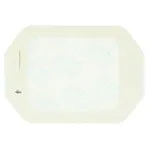
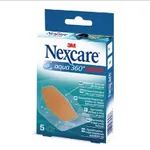
Beyond standard designs, adhesive bandages have evolved into highly specialized forms to address unique wound care challenges. Hydrocolloid bandages, for instance, are designed to absorb wound exudate and form a gel, creating a moist healing environment ideal for blisters and minor burns. Waterproof bandages utilize advanced film backings and stronger adhesives to seal out water effectively. Flexible joint bandages incorporate unique shapes and highly elastic materials to conform to dynamic areas like elbows and knees without gapping or peeling. Transparent film dressings provide a sterile barrier and allow continuous wound inspection. These innovations underscore the ongoing research and development in making adhesive bandages more effective, comfortable, and versatile for a broad spectrum of wound types and patient needs.