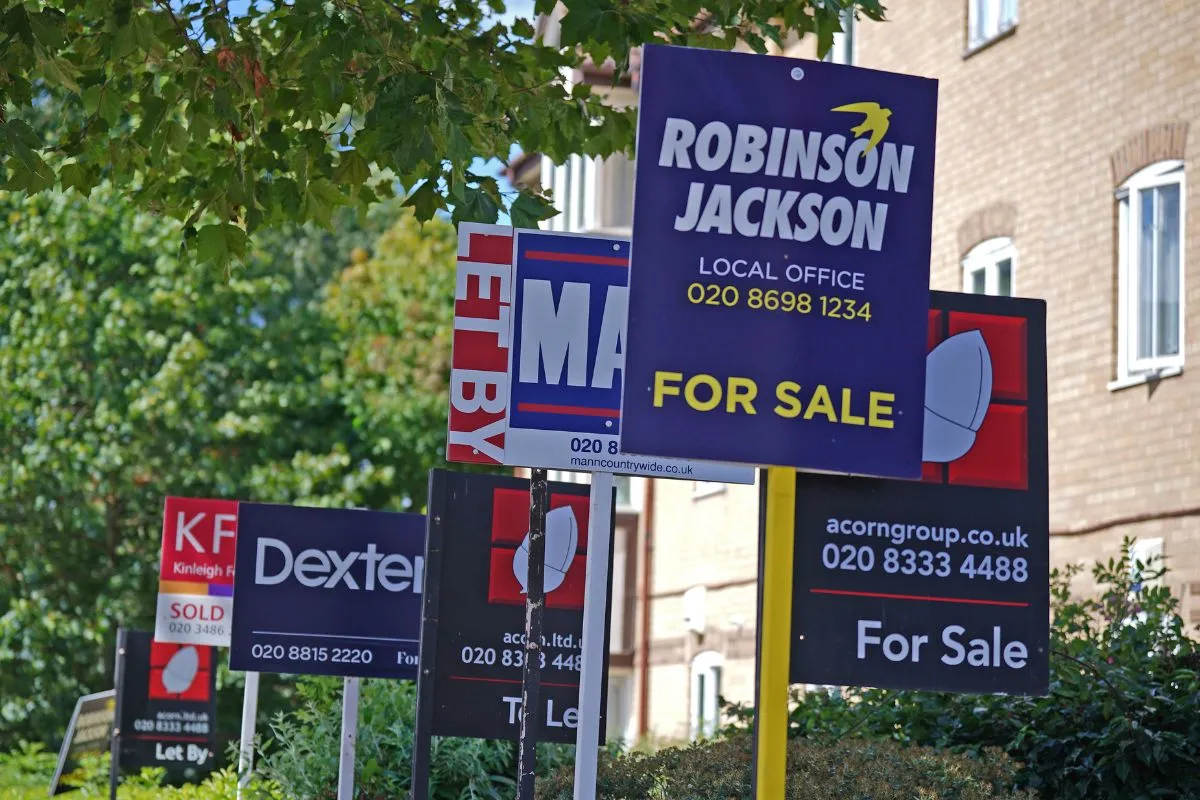
The United Kingdom's property sector is experiencing an unprecedented wave of business failures, with real estate companies going bankrupt at the fastest rate recorded in a decade. Analysis of company filings reveals that 762 property-related businesses have become insolvent since the beginning of the year. This figure represents a significant increase of over 60 percent compared to the same period last year, signaling severe distress within the market. The failures encompass a broad spectrum of the industry, including estate agents, landowners, and real estate management firms.
This surge in insolvencies is nearly triple the number of property firms that entered administration in the first part of 2017, highlighting the escalating challenges. Industry bodies suggest that property firms often act as an early indicator for broader economic downturns, making this trend a critical concern. Factors contributing to this crisis include escalating finance costs, pervasive economic and political uncertainty, and regulatory hurdles that are collectively stifling construction and development activity across the nation.
Market Downturn and Its Drivers
Housebuilders and construction companies have been vocal in recent months about the adverse impact of a subdued property market. Rising building costs, coupled with diminished consumer confidence, have created a challenging operating environment. The current situation is being described by industry insiders as a "perfect storm" of adverse conditions, necessitating a more robust governmental response to mitigate the impact on development and the wider economy.
The data, sourced from the London Gazette registry of insolvencies, paints a stark picture of the sector's struggles. The high number of business failures underscores the fragility of the market in the face of persistent economic pressures. Without a healthier and more competitive real estate industry, the UK risks lacking the necessary development capacity to meet housing demands and support economic growth, particularly during an inevitable market upturn.
[IMAGE_X]Furthermore, specific high-profile cases illustrate the depth of the crisis. Leading housebuilder Berkeley recently announced its inability to invest further in London projects, citing planning obstructions for a significant development. This decision reflects a broader trend where profitability and feasibility are increasingly questioned due to regulatory delays and market volatility.
Financial Market Sentiment and Investor Concerns
Adding to the concerns, FTSE 250-listed brickmaker Ibstock has become the most heavily shorted stock on the London market. Approximately 24.9 percent of its shares are subject to short positions, indicating that investors anticipate further declines in the value of housebuilders and the property market at large. This level of short interest suggests a significant lack of confidence among market participants regarding the near-term prospects for the sector.
This investor sentiment is driven by a combination of factors, including rising construction costs, increased borrowing expenses, and a slowdown in demand. These elements collectively erode profit margins and make new projects financially precarious. The "perfect storm" of anti-development conditions, as described by industry representatives, requires immediate attention from policymakers to ensure the industry's long-term viability and its contribution to economic recovery.
Industry Reactions and Wider Economic Implications
Industry leaders express that the accelerating rate of insolvencies is unsurprising, given the substantial headwinds the sector faces. Issues such as escalating construction expenses, the increased cost of financing, prolonged regulatory delays, and subdued demand significantly impact the viability of projects, particularly in the housebuilding segment.
While the rising number of property firm failures is a serious concern, trade bodies emphasize that these figures should be considered within the context of broader economic challenges affecting businesses across multiple sectors. Property firms are navigating increased operational costs, stringent regulatory requirements, and ongoing economic uncertainty. Despite these pressures, the property market has demonstrated relative resilience, though the current insolvency rates suggest this resilience is being severely tested.
Impact Analysis
The record number of insolvencies in the UK property sector serves as a stark warning of potential wider economic repercussions. A significant downturn in construction and real estate can lead to job losses, reduced investment, and a slowdown in related industries, impacting consumer spending and confidence. The "canary in the coal mine" analogy used by industry bodies suggests that these failures may precede a more general economic contraction. Addressing the "perfect storm" of high costs, regulatory burdens, and market uncertainty is crucial not only for the property sector's survival but also for the overall health of the UK economy. Failure to act could jeopardize the delivery of new homes and essential infrastructure, further exacerbating economic challenges.