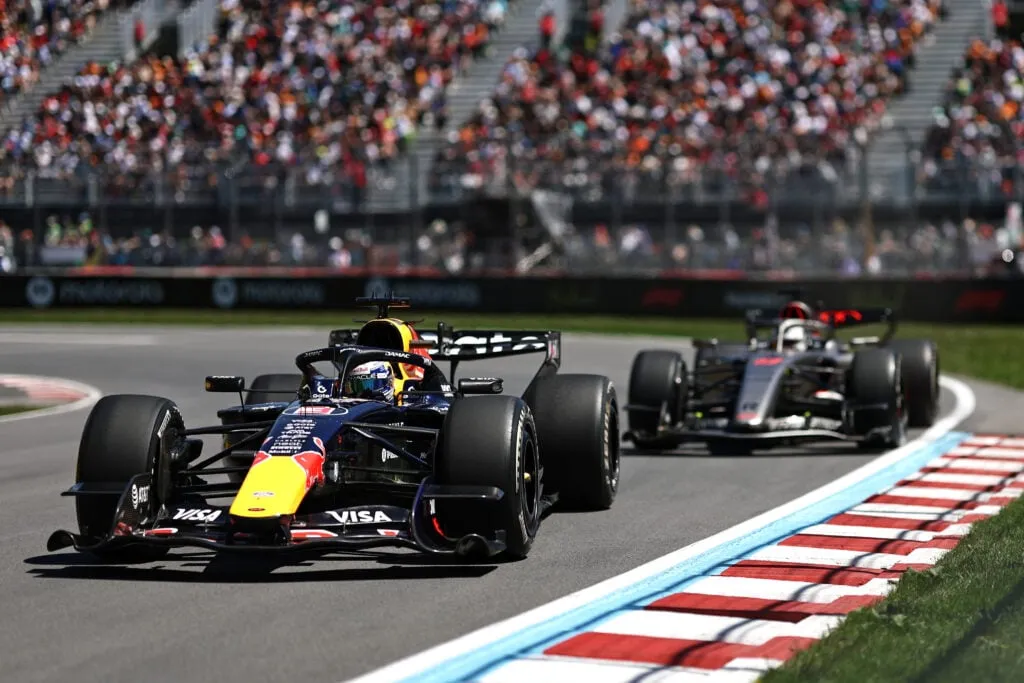
Max Verstappen, the reigning Formula 1 champion, possesses a release clause in his Red Bull contract that could allow him to depart the team at the conclusion of the 2026 season. This clause, reportedly triggered if he falls outside the top two in the drivers' standings by the 2026 summer break, highlights a potential shift in his long-term commitment to the Milton Keynes-based outfit. Signed in 2022, his contract was the longest in Formula 1 history at the time, but it includes provisions for an early exit under specific performance criteria. This situation is further complicated by Verstappen's expressed dissatisfaction with the upcoming 2026 engine regulations, leading to recurring speculation about his potential retirement from the sport.
The current season's performance has placed Verstappen in a precarious position regarding this clause. As of the sixth round, he sits seventh in the drivers' championship, a considerable 47 points behind second-placed Lewis Hamilton. This performance gap makes it plausible that the conditions for invoking the release clause could be met. However, the landscape of potential F1 seats for 2027 appears significantly more constrained than his current dominant position might suggest, posing a difficult choice for the four-time world champion should he decide to seek opportunities elsewhere within the sport.
Aston Martin and Audi Emerge as Potential F1 Destinations
Should Max Verstappen opt to exercise his contract release clause and leave Red Bull Racing, his primary options for continuing in Formula 1 in 2027 appear to be limited to Aston Martin and Audi. Reports indicate that while both teams would be eager to secure the services of the Dutch superstar, neither represents an ideal scenario for him. Major competitors such as Mercedes, Ferrari, and McLaren are reportedly content with their existing driver lineups and are unlikely to make space for Verstappen.
Mercedes team principal Toto Wolff, following Andrea Kimi Antonelli's impressive fifth consecutive victory at the Monaco Grand Prix, has publicly stated his satisfaction with his current driver pairing. This sentiment, coupled with Ferrari's recent long-term commitment to Charles Leclerc and the apparent strengthening of Lewis Hamilton's position with a potential 2027 deal, significantly diminishes Verstappen's prospects at these top-tier teams. McLaren, likewise, views its current duo of Lando Norris and Oscar Piastri as the strongest pairing and anticipates maintaining this lineup for the foreseeable future.
The Appeal of Diversification and Endurance Racing
Verstappen's potential desire to compete in disciplines beyond Formula 1, particularly endurance racing, could play a pivotal role in shaping his future career decisions. He has expressed a strong interest in pursuing opportunities such as the 24 Hours of Le Mans. This ambition aligns with the capabilities of both Aston Martin and Audi, who have significant established presences in endurance racing. Aston Martin, in particular, could offer Verstappen a direct path to the Hypercar class with their Valkyrie AMR-LMH program, allowing him to fulfill his racing aspirations outside of F1.
The freedom to participate in other racing series is reportedly a key demand for Verstappen in any future contract negotiations. Red Bull currently grants him this flexibility, and he is unlikely to compromise on it. While Aston Martin and Audi may not be his preferred F1 destinations based on current performance, their potential to accommodate his broader racing ambitions could make them the most viable, albeit potentially unappealing, options for him to remain in Formula 1 while also exploring other motorsport frontiers. Audi, although not currently active in the World Endurance Championship, has a storied history in endurance racing, suggesting a potential future engagement that could align with Verstappen's interests.
Impact Analysis
The potential departure of Max Verstappen from Red Bull, coupled with his limited F1 options, signals a significant shake-up in the driver market. If Verstappen leaves the dominant team, it could open the door for other teams like Mercedes or Ferrari to regain competitiveness. Conversely, if he moves to a less competitive F1 team like Aston Martin or Audi, it could significantly elevate their status and potential, while also potentially prolonging Red Bull's transition period. Furthermore, his potential foray into endurance racing could impact the competitive landscape of that series, attracting more attention and talent to it. The situation underscores the dynamic and often unpredictable nature of Formula 1 careers and team strategies.