



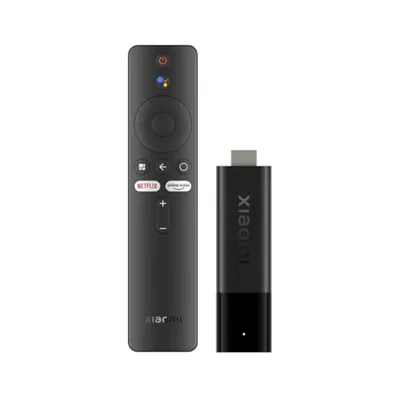
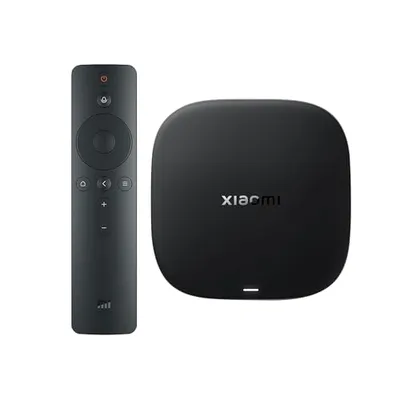


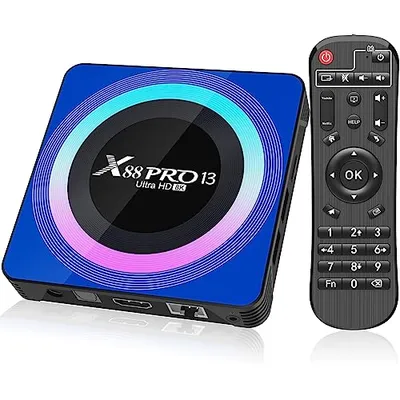
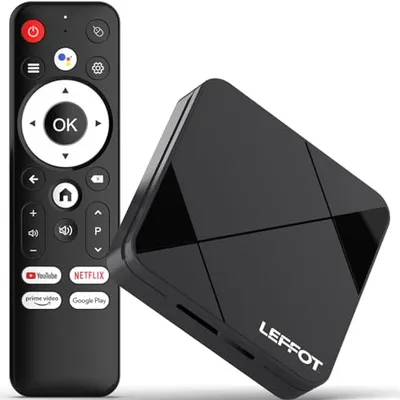
A Technical Deep Dive into Android Box Architecture and Performance
Understanding the Core Hardware
System-on-a-Chip (SoC) Architectures
At the heart of every Android Box is its System-on-a-Chip (SoC), a crucial component that dictates overall performance. Leading SoCs for Android Boxes are typically based on ARM architectures, featuring multi-core CPUs (e.g., Cortex-A53, Cortex-A55, Cortex-A73) combined with integrated GPUs (e.g., ARM Mali series, Imagination Technologies PowerVR, or older Adreno units). The CPU handles general system operations, app execution, and interface responsiveness, while the GPU is vital for rendering graphics, accelerating UI, and especially for decoding high-resolution video streams. A more powerful GPU, for instance, can flawlessly decode 4K HDR content at 60 frames per second, including newer codecs like AV1, which is becoming increasingly prevalent for bandwidth-efficient high-quality streaming.
RAM and Storage Subsystems
Random Access Memory (RAM) is another critical specification, directly impacting multitasking capabilities and the smooth operation of demanding applications. While 2GB of RAM might suffice for basic streaming, a minimum of 4GB, ideally DDR4 or LPDDR4X, is highly recommended for a fluid user experience, particularly when running multiple apps concurrently or navigating complex interfaces. For internal storage, eMMC (embedded MultiMediaCard) is the standard. Higher-capacity eMMC 5.1 modules (32GB or 64GB) offer improved read/write speeds over older versions, contributing to faster boot times and app loading. Some premium boxes might incorporate UFS (Universal Flash Storage) for significantly faster performance, though this is less common. Expandable storage via microSD card slots or USB ports is essential for users needing to store large media libraries or games.
Connectivity and Media Playback Excellence
Wireless and Wired Network Performance
Reliable network connectivity is paramount for any streaming device. Modern Android Boxes should ideally feature Wi-Fi 6 (802.11ax) for superior speed, lower latency, and better performance in crowded network environments. Dual-band Wi-Fi 5 (802.11ac) is a strong alternative, providing excellent throughput on 5GHz bands. For uncompromised 4K streaming and low-latency gaming, a Gigabit Ethernet port is indispensable, offering a stable wired connection that bypasses potential wireless interference. Bluetooth connectivity, typically version 5.0 or higher, allows for seamless pairing with wireless game controllers, headphones, and other peripherals, enhancing the overall user experience.
Video Output and Codec Support
The display output capabilities are defined by the HDMI port version. HDMI 2.0 supports 4K at 60Hz, while HDMI 2.1 is future-proofing, enabling 8K resolutions and advanced features like dynamic HDR (HDR10+, Dolby Vision) and Auto Low Latency Mode (ALLM) for gaming. Critically, the SoC must support a wide array of video codecs, including H.264, H.265 (HEVC), VP9, and increasingly, AV1. Hardware decoding for these codecs offloads processing from the CPU, ensuring smoother playback and lower power consumption. Audio codec support, including pass-through for Dolby Digital, DTS, and even Dolby Atmos/DTS:X, is crucial for home theater enthusiasts.
Digital Rights Management (DRM) and Certification
For high-quality streaming from premium services like Netflix, Amazon Prime Video, and Disney+, Digital Rights Management (DRM) certification is non-negotiable. Specifically, devices need Widevine L1 security level to stream content in resolutions higher than standard definition (SD), typically 720p or 1080p, and especially 4K. Without Widevine L1, most premium services will restrict playback to SD regardless of the box's hardware capabilities. Official Google certification (for Android TV OS) and specific app certifications (like Netflix) are also vital for accessing 4K content, ensuring full compatibility and optimal performance with these platforms.