

Comprehensive Guide to Mobile and Tablet Charging Solutions
Understanding Charging Technologies
Modern mobile and tablet accessories are engineered with diverse charging protocols designed to optimize power delivery and efficiency. The underlying technology determines not only the speed at which a device recharges but also its compatibility across various charging solutions. Key considerations include the power output (measured in watts), current (amperes), and voltage, all of which must align with the device's receiving capabilities to ensure safe and effective charging.
For instance, standard USB charging typically operates at 5V, with varying amperage. Advanced standards like USB Power Delivery (USB-PD) are capable of dynamic voltage and current negotiation, enabling much higher power outputs (up to 100W or more) crucial for rapidly charging power-hungry tablets and even some laptops. Qualcomm Quick Charge (QC) is another prevalent technology, focusing on optimizing charging speed for devices equipped with compatible chipsets by increasing voltage while maintaining efficiency.
Essential Mobile and Tablet Charging Accessories
The ecosystem of charging accessories spans a wide range of products, each tailored for specific environments and user preferences. From portable power banks to sophisticated multi-device docking stations, selecting the right accessory profoundly impacts device usability and longevity.
USB Car Chargers
For users constantly on the move, USB Car Chargers are indispensable. These devices convert a vehicle's 12V DC power into the required 5V (or higher, with PD/QC compatible models) USB output for mobile devices. Critical features include multiple USB ports for simultaneous charging, robust construction to withstand automotive environments, and integrated safety circuitry to protect against power surges common in vehicle electrical systems. Modern car chargers often incorporate USB-C ports with Power Delivery capabilities, allowing for rapid charging of the latest smartphones and tablets during commutes or long journeys, making them far more efficient than older, low-amperage models.
Wireless Chargers
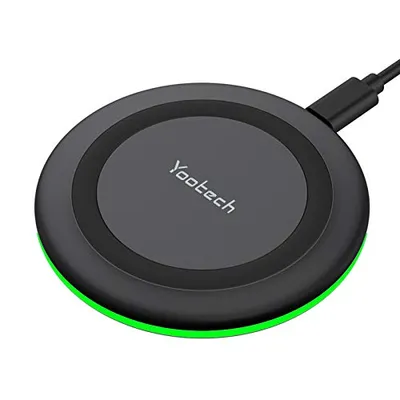
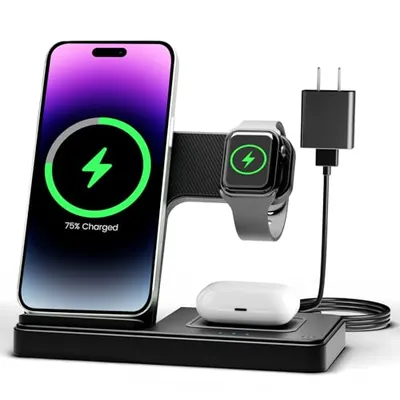
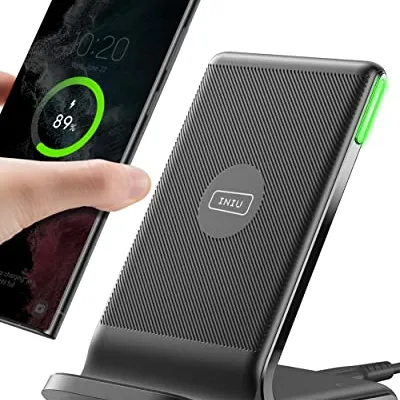
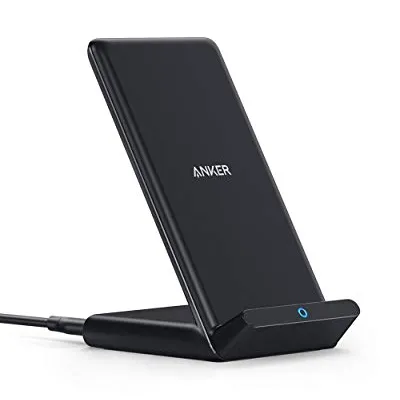
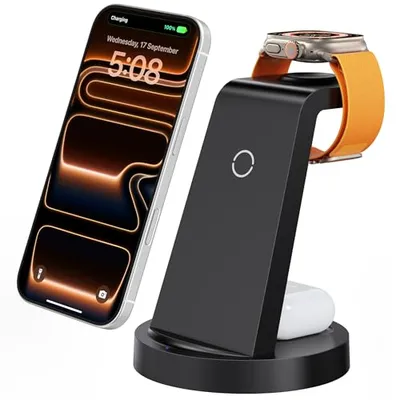
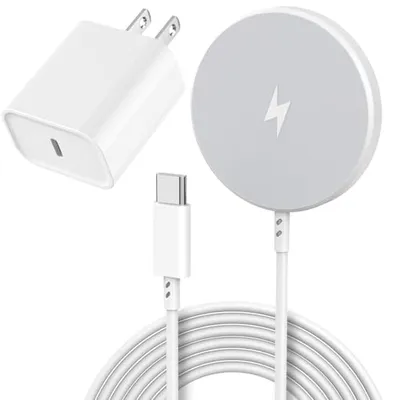
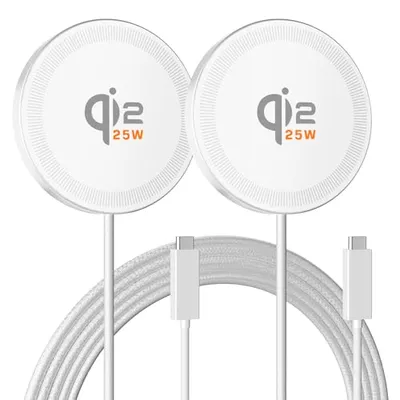
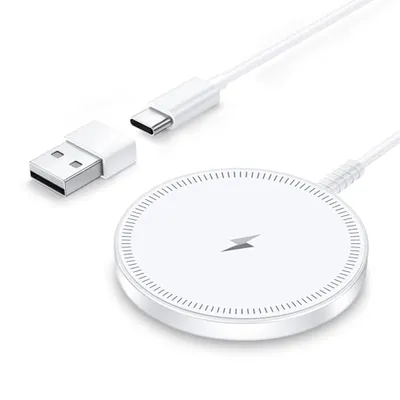
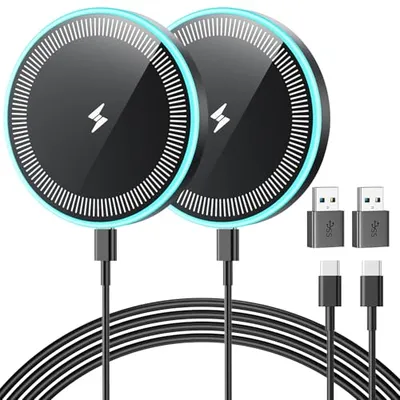
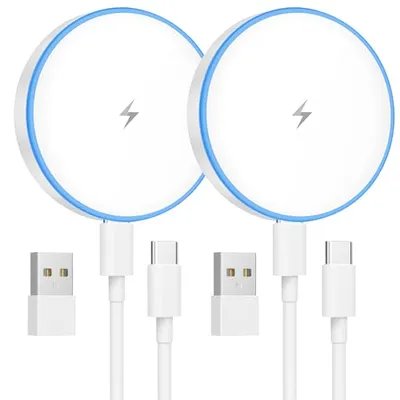
Wireless Chargers offer a convenient, cable-free charging experience utilizing inductive power transfer. The Qi standard is the most widely adopted protocol, ensuring broad compatibility across a vast array of smartphones and tablets. The technology involves an electromagnetic field transferring energy between a charging pad and a compatible device. Key advantages include reduced wear and tear on charging ports and simplified placement. However, efficiency can be slightly lower than wired charging, and precise device alignment is often necessary for optimal performance. Advanced wireless chargers support faster charging speeds (e.g., 7.5W, 10W, 15W) and some can even charge through protective cases, enhancing user convenience and integrating seamlessly into home and office environments.
When evaluating wireless charging solutions, consider the maximum power output, the number of devices it can charge simultaneously, and its design profile. Some units are designed as flat pads, while others feature upright stands, allowing devices to be used or viewed while charging.
Safety and Compatibility Considerations
Regardless of the charging technology or accessory type, prioritizing safety and ensuring compatibility are paramount. Always verify that a charger meets relevant safety certifications (e.g., CE, FCC, UL). Using certified accessories helps mitigate risks such as overheating, overcharging, and short-circuiting, which can damage devices or pose fire hazards. Furthermore, compatibility extends beyond just the physical port; it involves ensuring the charger's output specifications (voltage, amperage, and charging protocol) match or are safely regulated for the device's input requirements. This prevents undervoltage, which leads to slow charging, and overvoltage, which can degrade battery health over time.