



Deep Dive into CPU Cooling Technologies and Performance Metrics
Understanding CPU Thermal Management
Modern CPUs, particularly high-core-count processors and those operating at elevated clock speeds, generate considerable heat as a byproduct of electrical resistance and transistor switching. Without effective thermal management, these processors quickly reach their thermal junction maximum (TjMax), initiating a process known as thermal throttling. Throttling reduces clock speeds and voltage to prevent damage, but it severely degrades performance. A capable CPU cooler actively transfers this waste heat away from the processor die to a larger surface area where it can be dissipated into the surrounding environment, ensuring sustained peak performance.
Air Cooling Architecture
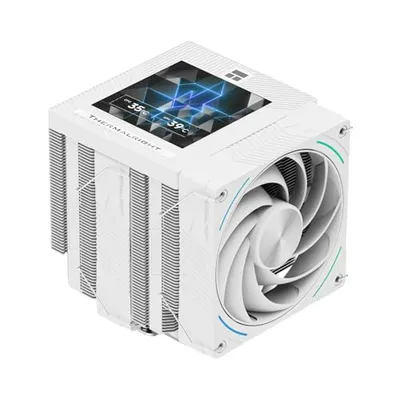
Air coolers primarily consist of a baseplate, heat pipes, a fin stack (radiator), and one or more fans. The baseplate, typically made of copper or nickel-plated copper, makes direct contact with the CPU's integrated heat spreader (IHS) via a layer of thermal interface material (TIM). Heat then transfers from the baseplate into the heat pipes. These hermetically sealed copper tubes contain a working fluid that evaporates at the hot end, travels as vapor to the cooler, finned end, condenses back into liquid, and returns to the hot end via a wicking structure. This phase change process is exceptionally efficient at transferring heat. The fin stack, usually aluminum, provides a massive surface area for heat exchange, and fans push air through these fins, expelling the heat. Key performance metrics for air coolers include fin density, heat pipe count and diameter, fan static pressure, and airflow volume.
All-in-One (AIO) Liquid Cooling Systems
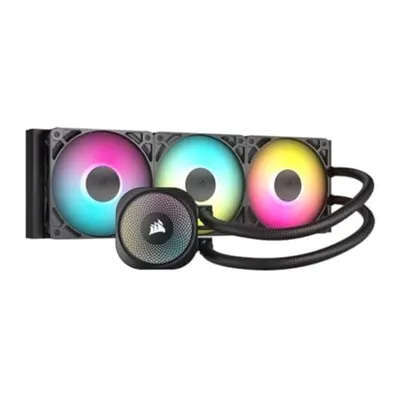
AIO liquid coolers offer an alternative by circulating a liquid coolant through a closed loop. The system comprises a cold plate (often integrated with the pump), flexible tubing, a radiator, and fans. The cold plate, positioned over the CPU, absorbs heat from the IHS. A small pump circulates the heated liquid to the radiator, which is typically mounted to a case fan location. The radiator, similar in principle to an air cooler's fin stack, uses fans to dissipate the heat from the liquid into the ambient air. Cooled liquid then returns to the CPU cold plate. AIOs can offer superior thermal performance for high-TDP CPUs, especially in scenarios where large air coolers might interfere with RAM or case clearance, and they often provide a cleaner aesthetic within the build. Radiator size (e.g., 120mm, 240mm, 360mm) directly correlates with heat dissipation capacity, with larger radiators generally offering better performance.
Thermal Interface Material (TIM) Significance
Regardless of the cooling method, thermal interface material (thermal paste) is crucial. Microscopic imperfections exist on both the CPU's IHS and the cooler's baseplate, creating tiny air gaps. Air is a poor conductor of heat. TIM fills these microscopic voids, significantly improving the thermal conductivity between the CPU and the cooler. Common types include silicone-based, ceramic-based, and metallic-based compounds, with liquid metal offering the highest conductivity but requiring careful application due to its electrical conductivity.