










A Technical Deep Dive into Hair Removal & Shaving Technologies
Understanding Shaving & Hair Removal Tools
Navigating the diverse landscape of hair management requires a technical understanding of the available tools. These devices are engineered to interact with hair follicles and the skin in distinct ways, offering a range of outcomes from immediate surface smoothness to significant long-term reduction. Each technology is underpinned by specific physical or chemical principles, demanding careful consideration of its advantages and limitations based on individual physiological characteristics and desired results.
Exploring Shaving Tools
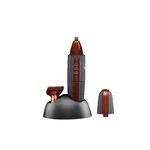
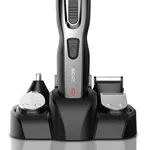
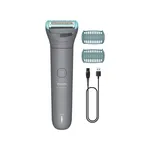
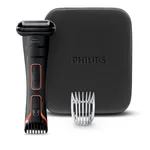
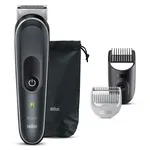
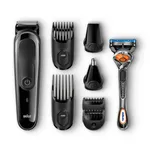
Shaving tools are primarily designed for the rapid removal of hair at the skin's surface. This subcategory predominantly includes manual razors and electric shavers. Manual razors, featuring single or multiple blades (e.g., cartridge razors, safety razors), achieve a close cut by mechanically severing hair shafts as close to the epidermis as possible. Modern cartridge razors often incorporate lubricating strips and pivoting heads to enhance glide and reduce friction, minimizing skin irritation. Electric shavers, conversely, utilize oscillating or rotary blades protected by a foil or rotating cutters. These designs lift and cut hair without direct blade-to-skin contact, making them suitable for dry shaving and reducing the risk of nicks, especially beneficial for sensitive skin. Key technical aspects include motor speed (RPM), blade material (e.g., stainless steel, ceramic), and battery technology (e.g., lithium-ion for cordless operation).
Delving into Hair Removal Tools
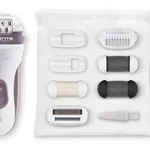
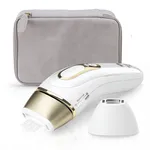
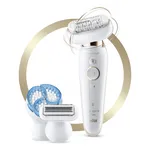
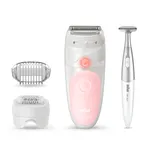
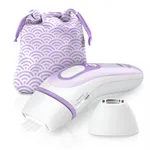
The broader category of Hair Removal Tools encompasses methods that target hair at or below the skin's surface, often aiming for longer-lasting results. This diverse group includes epilators, wax kits, depilatory creams, and advanced light-based systems. Epilators are mechanical devices that feature multiple tweezers on a rotating head, designed to grasp and pull hairs directly from the root. This process provides several weeks of smoothness but can involve temporary discomfort. Waxing involves applying a resin-based substance that adheres to the hair and then quickly removing it, effectively pulling hair from the follicle. Depilatory creams use alkaline chemicals (e.g., thioglycolates) to chemically dissolve the protein structure of the hair shaft, allowing it to be wiped away painlessly. For longer-term solutions, Intense Pulsed Light (IPL) and laser hair removal devices utilize targeted light energy to heat the melanin in the hair follicle, disrupting its growth cycle. The efficacy of these light-based systems depends heavily on the contrast between hair color and skin tone, requiring specific wavelengths and energy levels to be effective and safe.
Advanced Features and Maintenance
Precision Engineering and User Interface
Modern shaving and hair removal tools incorporate advanced engineering to enhance precision and user experience. Features like flexible heads, contour-following systems, and integrated trimmers allow for greater adaptability to various body curves and hair lengths. Digital displays provide information on battery life, cleaning reminders, and power settings. Waterproof designs enable wet/dry use and facilitate hygienic cleaning under running water, which is crucial for preventing bacterial buildup and maintaining blade performance.
Power Management and Environmental Impact
The transition to rechargeable power sources, primarily lithium-ion batteries, offers convenience and reduces reliance on disposable batteries. Fast-charging capabilities and long runtimes are critical for user satisfaction. Manufacturers are increasingly focusing on sustainable design, including recyclable materials and energy-efficient charging systems. Understanding the energy consumption and battery life cycle contributes to a more informed purchase decision and aligns with environmental consciousness.
Longevity and Consumable Management
Proper maintenance is paramount for the longevity and performance of these tools. This includes routine cleaning of cutting elements, lubrication where applicable, and timely replacement of worn-out parts such as blades, foils, or epilator heads. For light-based devices, the lifespan of lamp cartridges is a critical factor influencing overall cost of ownership. Adhering to manufacturer guidelines for cleaning and replacement schedules ensures optimal hygiene, efficiency, and extends the operational life of the equipment.