




Writing Instruments Technical Guide
Understanding Writing Instrument Technologies
The vast category of writing instruments is defined by a range of technologies, materials, and intended applications. Each type is engineered to achieve specific marking characteristics, from fine lines to broad strokes, and varying levels of permanence on diverse surfaces. Proper selection requires an understanding of these underlying technical principles.
Core Marking Mechanisms and Materials
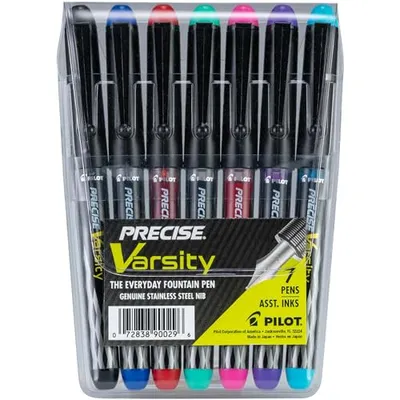
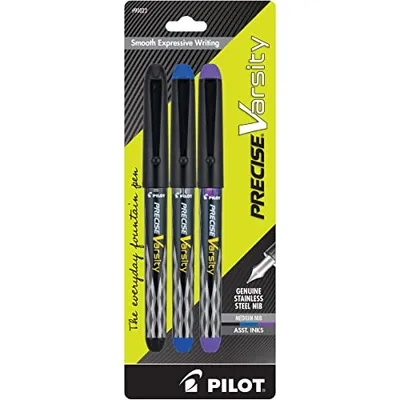
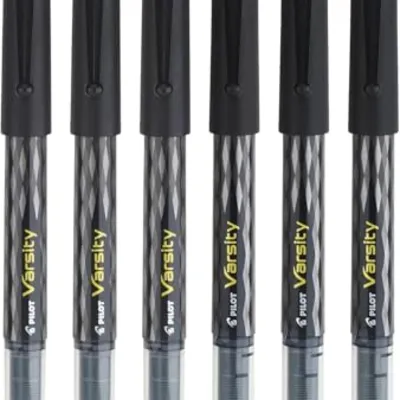
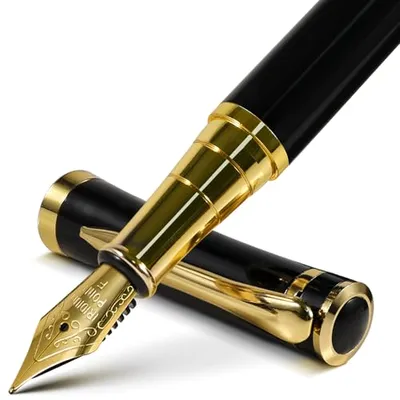
Different writing instruments employ distinct methods for depositing pigment. Pens, for instance, utilize liquid or gel inks dispensed through a ballpoint, rollerball, or fountain nib. The chemical composition of pen inks dictates their drying time, water resistance, and archival qualities. Similarly, Markers & Felt Tip Pens rely on porous nibs saturated with various dyes or pigments, offering a spectrum of line widths and opacities suitable for both temporary and permanent marking on surfaces ranging from paper to plastic and metal.
For solid marking, instruments like Chalk, Crayons & Pencils provide alternative solutions. Chalk, typically made from calcium carbonate, leaves a dusty, erasable mark on rough surfaces like blackboards and Writing Slates. Crayons consist of pigmented wax, offering vibrant, blendable colors ideal for art and younger users. Pencils, encompassing graphite, colored, and mechanical variants, use a solid core for precise, erasable, or permanent marks. Graphite pencils vary in hardness (H, B, F grades), directly influencing line darkness and durability.
Specialized Applications and Sets
Beyond individual instruments, specific contexts often call for specialized tools or coordinated collections. Writing Instrument Sets are curated assortments, often combining different types of pens, pencils, or art supplies, designed for specific artistic, professional, or academic purposes. These sets often include complementary items, such as erasers, sharpeners, or specific ink cartridges, ensuring users have a complete solution for their tasks.
Longevity and Refillability
Sustainability and long-term utility are significant considerations for modern writing instruments. Many high-quality pens and mechanical pencils are designed to be refillable, extending their lifespan and reducing waste. Writing Instrument Refills encompass ink cartridges for fountain pens, ink tubes for rollerballs and gel pens, and lead for mechanical pencils. Selecting the correct refill ensures consistent performance and compatibility with the original instrument, often specified by brand and model. Understanding refill types, such as international standard cartridges or proprietary designs, is essential for maintaining a user's chosen writing tool.