



Deep Dive: Optimizing Your Workspace with the Right Desk Pad
Understanding Desk Pad Functionality and Ergonomics
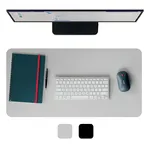
A desk pad is far more than a simple aesthetic accessory; it's a critical component in optimizing a workspace for both functionality and user comfort. Its primary role is to create a consistent, uniform surface that protects the underlying desk from abrasions, spills, and heat damage, while simultaneously enhancing the operational efficiency of peripherals. For instance, a well-chosen desk pad can significantly improve mouse tracking accuracy by providing a stable, low-friction surface, which is crucial for precision tasks. Furthermore, the inherent dampening properties of many materials can reduce the auditory output of keyboard typing, contributing to a quieter and more focused environment. Ergonomically, a desk pad can alleviate wrist and forearm strain by providing a softer, more forgiving surface than a bare desk, especially when coupled with appropriate desk height and chair setup.
Material Science and Performance Characteristics
The performance characteristics of a desk pad are intrinsically linked to its material composition. Natural materials offer distinct advantages and disadvantages. Full-grain leather, for example, develops a rich patina over time, boasts exceptional durability, and provides a smooth, consistent mousing surface, albeit at a higher cost. Wool felt offers excellent acoustic dampening, a soft tactile feel, and natural absorbency, making it suitable for preventing condensation rings. Cork, an eco-friendly option, provides natural grip, is lightweight, and contributes to sound absorption. Each natural material presents unique considerations for maintenance and longevity.
Synthetic materials, on the other hand, often prioritize durability, specific functionalities, and cost-effectiveness. PU (polyurethane) leather offers a compelling imitation of genuine leather with good water resistance and diverse textural options, making it a popular choice. PVC and rubber pads excel in terms of durability, exceptional non-slip properties, and ease of cleaning, often being the material of choice for dedicated gaming mouse pads due to their consistent tracking surfaces. Silicone, while less common for full desk pads, is prized for its heat resistance, non-slip characteristics, and thin profile, often used in smaller, localized pads. The coefficient of friction, surface hardness, and water repellency vary significantly across these materials, directly impacting mouse glide, writing comfort, and spill resistance.
Strategic Sizing and Feature Integration
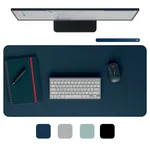
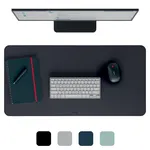
Selecting the appropriate size for a desk pad involves a careful assessment of workspace dimensions and workflow. Full-desk pads offer maximum surface protection and a unified aesthetic, creating a cohesive visual element for the entire workstation. This approach is beneficial for users who frequently move peripherals or documents across their desk. Conversely, smaller, task-specific pads are ideal for users who only require an optimized surface for their keyboard and mouse, preserving the original desk surface for other activities. Consideration should be given to the dimensions of all peripherals – monitors, keyboards, mice, and other devices – to ensure adequate coverage and comfortable operation.
Modern desk pads often integrate advanced features that enhance their utility. Built-in wireless charging coils provide convenient power delivery for compatible devices, reducing cable clutter. Integrated organizational pockets or pen holders improve desk tidiness. Some premium pads incorporate RGB lighting for aesthetic appeal, while others focus on thermal regulation with heated zones for comfort in colder environments. The inclusion of an anti-slip backing, typically made from rubber or silicone, is crucial for preventing unwanted movement of the pad itself, ensuring a stable work surface even during vigorous activity. Evaluating these additional features against individual needs and budget is essential for a truly optimized setup.