






A Technical Deep Dive into Cellulose-Based Materials
Understanding the Fundamentals of Cellulose Products
The vast world of paper and cardboard products, while seemingly simple, involves sophisticated material science and engineering. These products are fundamentally derived from cellulose fibers, primarily sourced from wood pulp, though cotton, hemp, and other plant fibers can also be utilized. The processing of these fibers—including pulping, refining, and forming into sheets—dictates the final properties of the material, impacting everything from tensile strength and absorbency to surface smoothness and printability.
Manufacturers employ various chemical and mechanical treatments to achieve specific characteristics, such as sizing agents to reduce water absorption, fillers to improve opacity and brightness, and dyes to impart color. The choice of fiber length, lignin content, and bleaching processes profoundly influences the material's longevity and performance in diverse applications.
Exploring Notebooks: Structure and Functionality
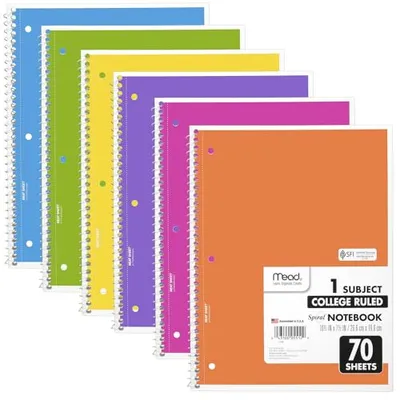
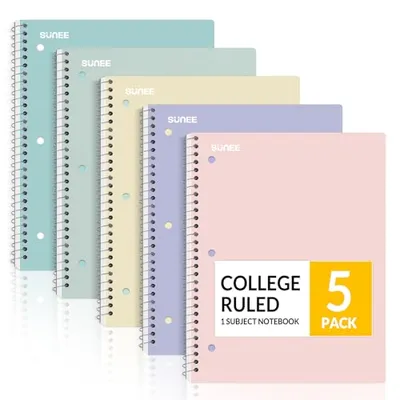
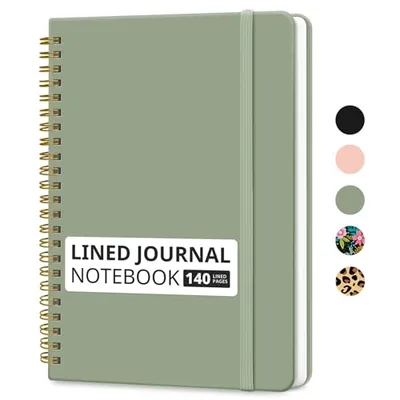
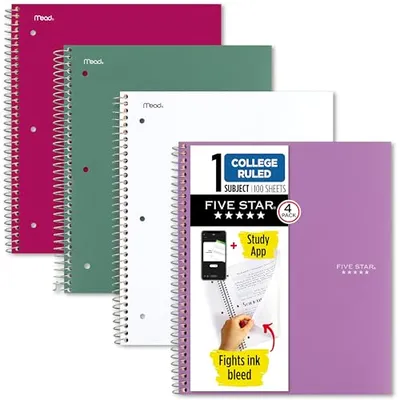
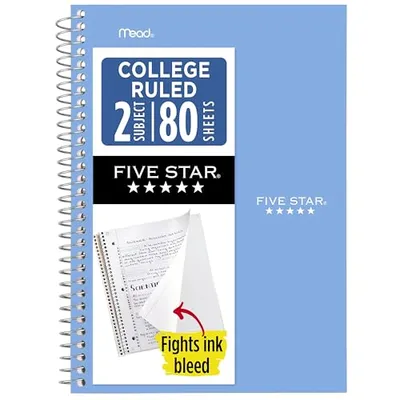
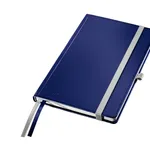
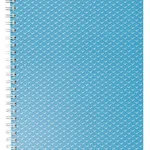
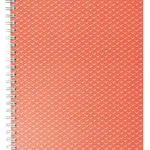
Within this category, Notebooks represent a diverse segment, ranging from basic school supplies to high-end professional journals. The core component of any notebook is its paper, which is selected based on its intended use. For instance, paper designed for fountain pens typically boasts a higher GSM (Grams per Square Meter) and specific surface sizing to prevent feathering and bleed-through. Sketchbooks, conversely, might feature paper with a toothier texture to better hold charcoal or pastels, or be heavier weight for watercolor applications.
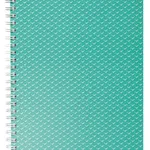
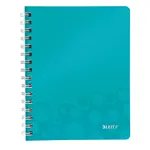
Binding methods also vary significantly, each offering distinct advantages. Spiral or coil-bound notebooks allow for pages to lie completely flat and and fold back on themselves, ideal for ease of writing or drawing. Perfect binding, common in professional journals, provides a sleek, book-like appearance but may not allow full page flattening. Saddle-stitched notebooks, often used for smaller, thinner publications, are cost-effective and lightweight. The cover material, whether rigid cardboard, flexible plastic, or a specialized synthetic, contributes to the notebook's durability and aesthetic appeal.
The Versatility and Strength of Cardboard
Cardboard, a thicker and more rigid variant of paper, is engineered for structural integrity and protective qualities. Its diverse forms are critical across packaging, construction, and artistic fields. Corrugated cardboard, characterized by its fluted layer sandwiched between two linerboards, is renowned for its exceptional strength-to-weight ratio and cushioning properties, making it indispensable for shipping and protective packaging. The number of flutes (single, double, triple wall) and their profiles (A, B, C, E, F) determine the board's crush resistance, stacking strength, and printability.
Other types include chipboard, a dense, rigid material made from recycled paper fibers, commonly used for backing pads, book covers, and set boxes. Bristol board, a fine-quality, heavy paper with a smooth surface, is favored by artists and designers for its excellent printability and durability. Understanding the specific grade, ply, and finish of cardboard is crucial for selecting the appropriate material for applications ranging from intricate model making to robust industrial containers.
Sustainability and Environmental Considerations
As consumer and industry awareness grows, the sustainability of paper and cardboard products has become a critical factor. Recycled content, often denoted by percentages, indicates the proportion of post-consumer or post-industrial waste used in manufacturing. Certifications like the Forest Stewardship Council (FSC) ensure that virgin fibers are sourced from responsibly managed forests, promoting ecological, social, and economic benefits. The recyclability of the final product is also a key design consideration, influencing material choices and coatings to ensure the product can be reintegrated into the recycling stream. Advanced manufacturing techniques are continually being developed to reduce water consumption, energy usage, and chemical discharges, making the production of these essential materials more environmentally friendly.