


An In-Depth Technical Guide to Whiteboard Surface Technologies and Their Applications
Understanding Whiteboard Surface Technologies
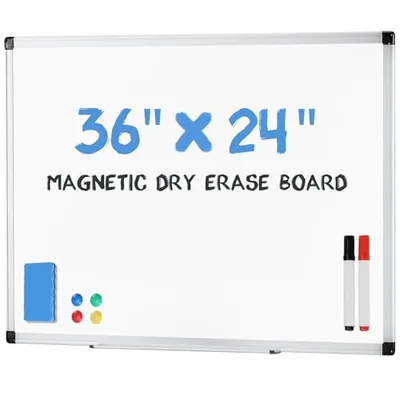
The performance and longevity of a whiteboard are predominantly determined by its writing surface material. Each material presents a unique set of technical characteristics, influencing its durability, ghosting resistance, magnetic properties, and overall suitability for specific environments. Melamine, the entry-level option, features a non-porous laminate applied over a particleboard substrate. While cost-effective, its relatively soft surface is prone to scratching and can absorb marker ink over time, leading to ghosting, particularly with prolonged use or improper cleaning. Its lifespan is generally limited, making it best suited for light-duty, infrequent applications in budget-conscious settings.
Painted steel whiteboards represent a significant upgrade, offering a smoother, more durable surface compared to melamine. The steel backing provides inherent magnetic properties, making them versatile for attaching visual aids. The painted coating, typically a baked-on enamel, resists staining better than melamine but can still degrade over time with heavy use, especially if abrasive cleaners are employed. These boards strike a balance between cost and performance, making them a popular choice for moderate-use classrooms and office spaces where magnetic functionality is desired.
Porcelain Enamel and Glass Whiteboards: Premium Performance
For demanding environments requiring maximum durability and ghost-free performance, porcelain enamel on steel (also known as ceramic steel) whiteboards are the industry standard. This material involves fusing a ceramic glaze onto a steel substrate at extremely high temperatures, creating an incredibly hard, scratch-resistant, and chemically inert surface. The non-porous nature of porcelain ensures that marker ink sits entirely on the surface, allowing for effortless, residue-free erasure, even after extended periods. This makes porcelain boards ideal for heavy daily use, projection, and applications where pristine clarity is critical. Their magnetic properties are robust, and they typically come with extensive warranties, often lifetime, underscoring their exceptional longevity.
Glass whiteboards offer a contemporary aesthetic combined with unparalleled ghost-free writing. Constructed from tempered safety glass, usually 4-6mm thick, their inherently non-porous surface provides the ultimate in clean erasability. Unlike traditional whiteboards, glass boards do not absorb ink whatsoever, ensuring a perfectly clean slate every time. While they are naturally non-magnetic, many models incorporate a steel backing or magnetic layer to add this functionality. Their smooth, reflective surface is also excellent for projection, though glare can be a consideration in certain lighting conditions. Glass boards are highly resistant to scratches, dents, and stains, making them a premium choice for executive offices, modern conference rooms, and high-design environments where aesthetics and supreme functionality are paramount.
Mounting and Substrate Considerations
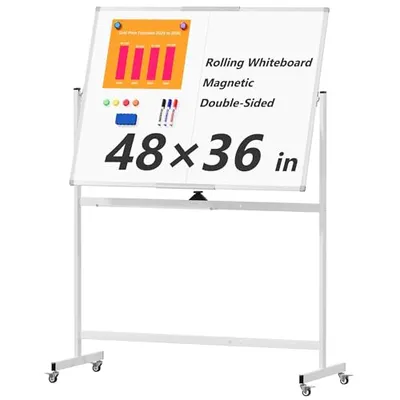
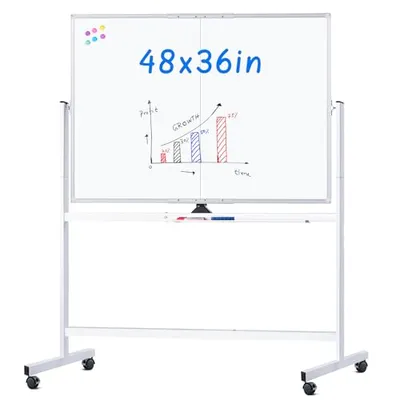
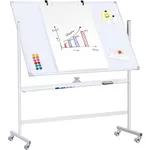
Beyond the surface, the substrate and mounting system play crucial roles in a whiteboard's structural integrity and usability. Common substrates include particle board, MDF (medium-density fiberboard), and aluminum honeycomb, each chosen for its rigidity, weight, and cost implications. Particle board is typically used with melamine, while MDF and aluminum honeycomb provide a more stable foundation for painted steel and porcelain. Aluminum honeycomb offers superior rigidity with minimal weight, often found in high-end mobile or modular systems. Mounting options range from concealed Z-bar French cleat systems for a sleek, flush look, through-board mounting for maximum security, to mobile stands with locking casters for dynamic reconfigurability. The quality of these components directly impacts the board's stability and resistance to warping or damage over time.