






Deep Dive into Fountain Pen Engineering and Performance
The Anatomy and Functionality of the Nib Unit
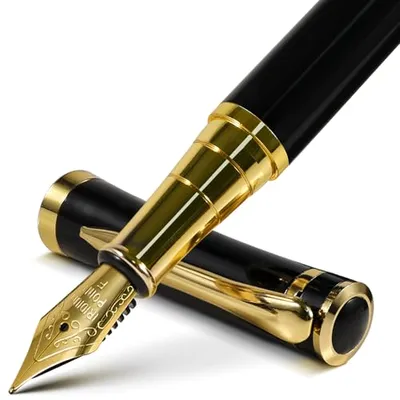
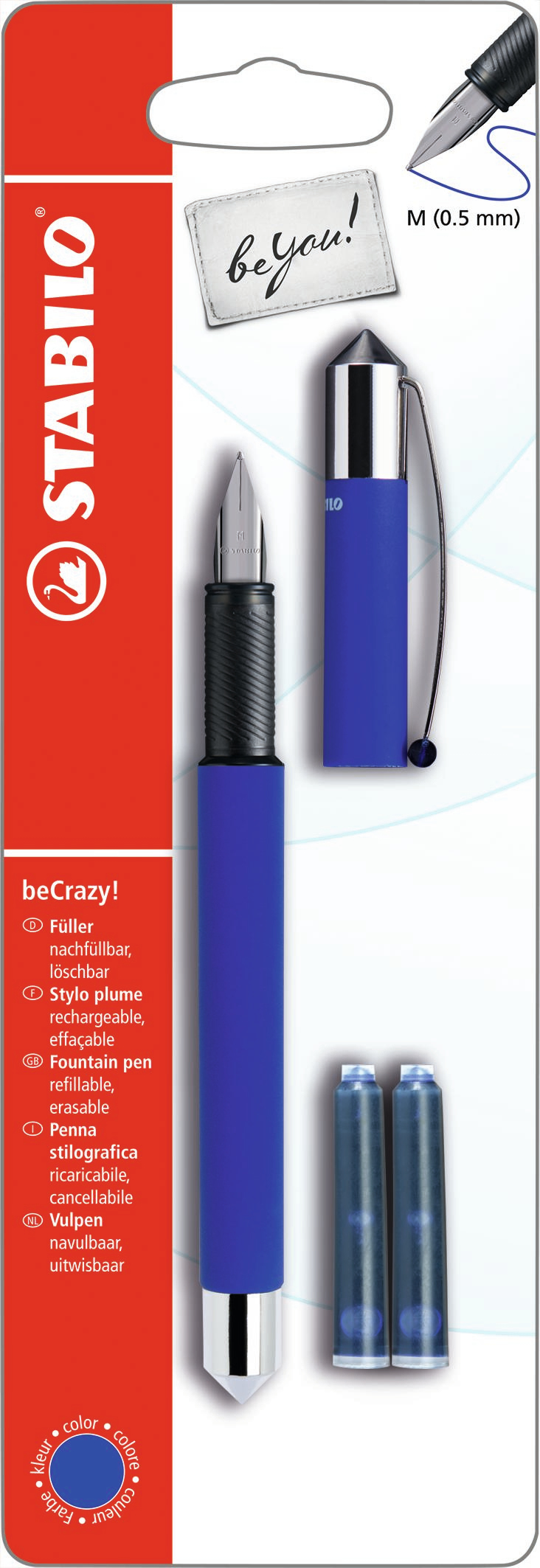
The nib, the quintessential component of a fountain pen, is an elaborate piece of engineering responsible for forming characters on paper. Traditionally crafted from gold alloys (14k, 18k) or stainless steel, the material choice profoundly impacts writing characteristics. Gold nibs offer greater inherent flexibility, conforming more readily to pressure variations, which can enhance line variation and reduce writing fatigue. Stainless steel nibs, while stiffer, provide excellent durability and corrosion resistance, making them ideal for everyday use. Critical to performance is the tipping material, almost exclusively an iridium alloy, meticulously fused to the nib's tines. This tipping is then ground and polished to a specific shape and size (e.g., Extra Fine, Medium, Broad, Italic) to control line width and provide a smooth, low-friction contact point with paper. The slit running down the center of the nib, terminating at a breather hole, is crucial for capillary action, drawing ink from the feed. The precise spacing of the tines and the quality of the tipping grind dictate the ink flow and the tactile feedback, ranging from glassy smooth to pleasantly resistive.
The Feed System: Precision Ink Delivery
Beneath the nib lies the feed, a complex component typically made from ebonite or injection-molded plastic. Its primary function is to regulate the flow of ink from the reservoir to the nib, while simultaneously allowing air into the reservoir to prevent a vacuum from forming. The feed's intricate network of channels and fins utilizes capillary action to draw ink towards the nib. The fin structure also serves as an overflow reservoir, temporarily holding excess ink during pressure changes (e.g., changes in altitude or temperature) to prevent blotting. Proper alignment and secure seating of the feed against the nib and in the section are paramount for consistent ink flow, preventing both dry starts and excessive wetness. Any misalignment can disrupt the delicate balance of air and ink, leading to skipping or hard starts.
Understanding Fountain Pen Filling Mechanisms
Fountain pens employ various mechanisms for ink replenishment, each with distinct advantages concerning capacity, convenience, and maintenance. The most common are cartridge/converter systems, offering convenience through pre-filled ink cartridges for portability and easy color changes. Converters, which are essentially refillable pistons or squeeze sacs, allow the use of bottled ink, expanding color choice and reducing waste. Piston fillers feature an internal piston mechanism operated by a knob at the end of the barrel, drawing a large volume of ink directly into the pen's barrel, providing one of the highest ink capacities. Vacuum fillers utilize a plunger to create a vacuum, filling the barrel with a single, quick stroke, also offering substantial capacity. Eyedropper fillers, the simplest, involve directly filling the barrel with ink using an eyedropper, maximizing capacity but requiring careful sealing. Lever and button fillers, while less common in modern pens, use an internal pressure bar and sac system to draw ink, representing earlier engineering solutions.
Ink Compatibility and Maintenance Protocols
Selecting the correct ink is vital for optimal performance and longevity. Fountain pen inks are predominantly dye-based, formulated to be pH-neutral and free from particulates that could clog the feed or nib. Pigmented inks, offering greater water resistance and lightfastness, require more diligent cleaning due to potential for sediment. Iron gall inks, while historically significant, are acidic and can corrode certain pen materials if not properly managed. Regular cleaning, typically involving flushing the pen with distilled water, is crucial to prevent ink residue buildup, especially when changing ink colors or before prolonged storage. Disassembling the nib and feed for thorough cleaning is recommended periodically. Using non-fountain pen specific inks (e.g., India ink, drawing ink) containing shellac or pigments can cause irreversible damage to the delicate feed channels and restrict ink flow.
Material Science, Ergonomics, and Durability
The choice of materials for the pen body significantly impacts its aesthetics, durability, and ergonomic feel. Resins and acrylics offer a wide palette of colors and patterns, are lightweight, and generally robust. Celluloid, a traditional material, is known for its deep luster and unique patterns but requires careful handling. Ebonite, vulcanized rubber, provides a warm, tactile feel and excellent grip, often used for feeds due to its wicking properties. Metals like brass, stainless steel, aluminum, and titanium lend substantial weight and perceived durability, with specific coatings or platings affecting their long-term resistance to corrosion and scratches. The pen's balance and weight distribution are critical ergonomic considerations; a well-balanced pen feels comfortable in the hand, minimizing fatigue during extended writing sessions. The design of the grip section, its diameter, and material texture also contribute to writing comfort and control, directly influencing the user experience.