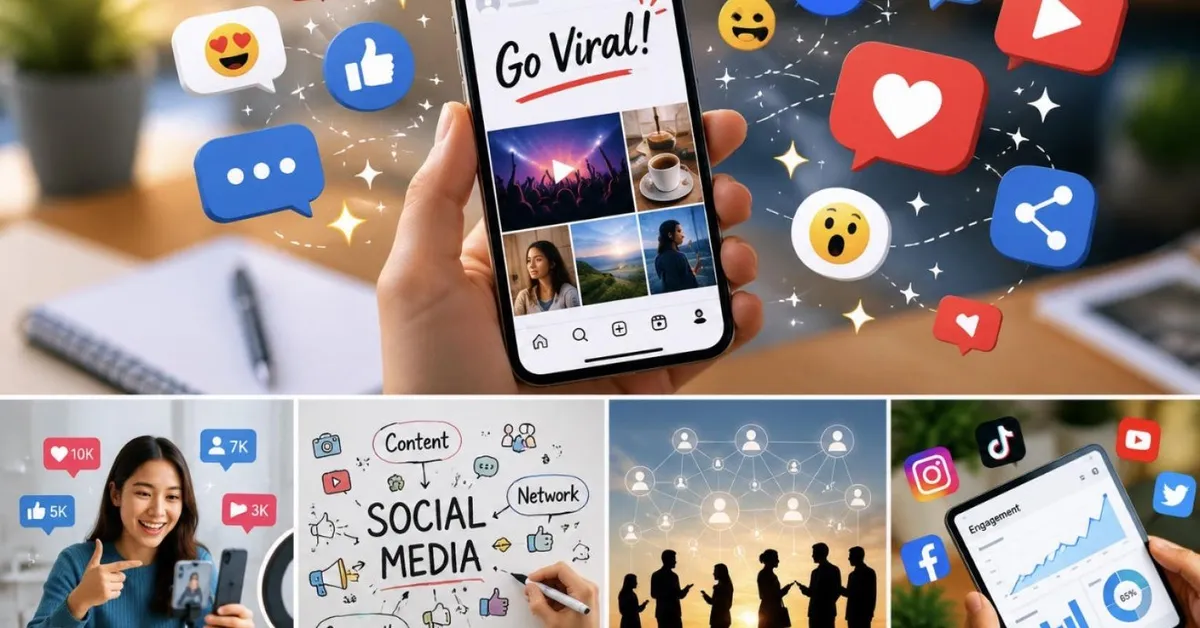
In the contemporary digital landscape, social media platforms such as Instagram, TikTok, and YouTube have transcended their initial roles as mere communication tools. They have become deeply integrated into the fabric of daily life, significantly influencing personal identity, career trajectories, cultural trends, and interpersonal relationships. Increasingly, individuals are leveraging these platforms not just for social connection or information gathering but as vital arenas for personal brand development. This pursuit of recognition involves showcasing daily activities, promoting entrepreneurial ventures, or articulating perspectives on contemporary issues spanning politics, economics, and evolving trends. While content from established influencers or those with substantial followings often achieves rapid viral status, many other posts garner minimal attention, raising the question: what distinguishes widely noticed content from that which remains overlooked?
The phenomenon of virality on social media is multifaceted, defying a single, simple explanation. Extensive research indicates that the propensity of content to spread rapidly and widely is a result of an intricate interplay between several dimensions. These include the intrinsic characteristics of the content itself, the structural properties of the social networks through which it disseminates, and specific user-related factors that influence perception and interaction. Understanding these core components is crucial for anyone aiming to enhance their digital presence and engagement.
The Science Behind Content Engagement
Content Characteristics That Drive Virality
The attributes of the content itself play a pivotal role in determining its potential for widespread appeal and engagement. Research consistently highlights the impact of emotional resonance; content that evokes strong emotional responses, particularly those associated with high arousal such as surprise, anger, or awe, demonstrates a significantly higher likelihood of being shared and generating likes compared to purely factual or logical material. This emotional connection can foster a deeper, more memorable user experience, encouraging interaction.
Beyond emotional appeal, the visual quality of a post is a critical factor. High-resolution imagery, professional composition, appropriate lighting, and effective color utilization contribute to a more engaging presentation. Similarly, interactive elements, such as direct questions, polls, or calls for audience opinions, actively draw users into the content, boosting participation rates. When strategically integrated, promotional incentives like discounts or giveaways can also amplify user involvement, provided they align with the overall content strategy.
Optimizing Content for Reach and Impact
Ease of processing is another significant determinant of virality. Content that requires minimal cognitive load to understand and absorb is more likely to capture and retain user attention. The strategic use of second-person pronouns, such as "you" and "your," can make content feel more personal and direct, thereby increasing its perceived relevance and engagement potential. This personalization can foster a stronger connection between the creator and the audience.
Authenticity has emerged as a highly valued attribute in an era where AI-generated or overly polished content is becoming commonplace. Genuine personal stories, relatable experiences, and unfeigned imagery often resonate more profoundly than manufactured content, cultivating trust and a sense of shared reality. Furthermore, the increasing multimodality of social media favors posts incorporating rich media formats. Videos, animations, high-quality images, and GIFs consistently outperform text-only posts, capturing attention more effectively and encouraging deeper interaction.
Network Structures and Diffusion Dynamics
The Role of Social Networks in Content Spread
The architecture of social networks significantly influences how information diffuses through online communities. Research suggests that a broad dissemination of information, particularly to new audiences, is often facilitated by weaker social ties, or casual acquaintances, rather than exclusively relying on close-knit connections. While strong ties may enhance trust and the likelihood of adopting information, weaker ties serve as crucial bridges, connecting disparate groups and expanding the overall reach of content.
Network diversity is equally critical. Exposure to varied social groups and communities through diverse networks can significantly broaden a user's perspective and increase their receptivity to novel information. This cross-pollination of ideas and content across different segments of a social graph enhances the potential for widespread engagement and sustained visibility.
Leveraging Network Effects for Growth
Understanding these network dynamics allows for more strategic content distribution. By engaging with a wider array of connections, users can increase the probability that their content reaches diverse user segments, thereby accelerating its spread. Building and maintaining a network that incorporates both strong and weak ties can create a robust ecosystem for information dissemination and audience building.
The diversity within a network acts as a catalyst, introducing content to audiences who might not otherwise encounter it. This expansion into new communities is vital for viral growth, moving beyond the immediate circle of followers to tap into broader social conversations and trends.
User Characteristics and Engagement
Building Credibility and Community
The perceived credibility of the source is a fundamental driver of user engagement. Content shared by sources that are deemed trustworthy, knowledgeable, and authentic is more likely to be interacted with and spread. Establishing a strong reputation within a specific niche can significantly amplify a user's impact and the diffusion of their content across various platforms.
Focusing on a niche audience allows for the cultivation of a dedicated community. This thematic consistency can foster deeper engagement, as users with shared interests can interact more readily. Such communities often become self-sustaining, reinforced by social proof, shared experiences, and collective purchasing decisions driven by the niche content.
Fostering Deeper Connections Through Self-Disclosure
Self-disclosure, involving the sharing of personal background, identity, and beliefs, is instrumental in building rapport and perceived intimacy with an audience. When audiences perceive creators as similar to themselves, it cultivates a stronger sense of connection and encourages sustained engagement over time. This authenticity forms the bedrock of lasting relationships in the digital space.
The strategic application of these principles—enhancing content appeal through emotion and visuals, leveraging network structures for broader reach, and building credibility through authenticity and community engagement—transforms content creation from a matter of chance into a deliberate strategy for achieving virality and meaningful impact.
Impact Analysis
The principles governing social media virality have profound implications beyond individual content creators. For businesses, understanding these dynamics is crucial for effective marketing, brand building, and customer engagement strategies. It informs the development of campaigns that resonate emotionally, utilize compelling visuals, and encourage user interaction, ultimately driving brand awareness and sales. In the broader social context, the mechanisms of virality influence the dissemination of information, ideas, and cultural trends. The ease with which content can spread—both accurate and inaccurate—highlights the need for critical media literacy among users. As platforms and user behaviors continue to evolve, the underlying human factors of connection, trust, authenticity, and emotional response will likely remain central to understanding and shaping digital communication dynamics.