


Comprehensive Guide to Diagnostic & Measurement Equipment Categories
Understanding Diagnostic & Measurement Equipment
Diagnostic and measurement equipment encompasses a vast array of instruments essential for healthcare professionals across various specialties. These devices provide critical insights into physiological functions, structural integrity, and metabolic processes, aiding in the early detection, monitoring, and management of diseases. The rapid evolution of technology continues to enhance the precision, speed, and non-invasiveness of these diagnostic tools, making them indispensable in both clinical and research settings.
Key Categories and Their Applications
The landscape of diagnostic equipment is diverse, each category serving specific functions to assist healthcare providers. Accurate diagnosis is the first step towards effective treatment, and the right tools ensure reliable data collection.
Patient Monitoring and Assessment Tools
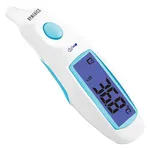
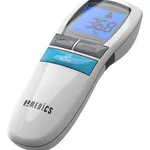
Tools for direct patient assessment are fundamental. These include devices like Digital Body Thermometers, which provide quick and accurate temperature readings, crucial for detecting fevers or monitoring hypothermia. Stethoscopes remain a timeless instrument for auscultation, allowing clinicians to listen to internal sounds of the body, particularly the heart, lungs, and bowels, to identify abnormalities.
Specialized Diagnostic Devices
Certain conditions require highly specialized equipment. For instance, in ophthalmology and otolaryngology, instruments such as Ophthalmoscopes & Otoscopes are vital. Ophthalmoscopes allow detailed examination of the retina and other structures at the back of the eye, while Otoscopes are used to inspect the ear canal and eardrum. For quick, non-invasive screening of alcohol levels, Breathalysers are commonly used in various settings, from law enforcement to workplace safety.
Imaging and Visualization Equipment
Advanced imaging technologies provide unparalleled views inside the human body. Medical Imaging Cameras, encompassing endoscopes, dermatoscopes, and other specialized cameras, capture visual data for diagnostic purposes in various fields. For internal structural analysis and pathology detection, X-Ray Detectors are fundamental components of radiographic systems, providing crucial images of bones and soft tissues. The output from these and other diagnostic tools often requires physical copies, where Medical Printers become essential for generating high-quality prints of scans, reports, and images for patient records or specialist consultation.
Basic Examination Aids
Even the simplest tools play a significant role. Tongue Depressors, for example, are indispensable for visual examination of the throat and oral cavity, aiding in the diagnosis of infections or other abnormalities. These fundamental aids, though simple, facilitate crucial initial assessments.
The integration of these diverse diagnostic and measurement technologies ensures a holistic approach to patient care, from initial screening to detailed pathological investigations. Continuous innovation in this sector promises even more precise, portable, and patient-friendly solutions in the future.