


Navigating the Landscape of Communication Aids for Enhanced Interaction
Understanding Communication Aids For The Physically Challenged
The field of communication aids for the physically challenged is dynamic, driven by continuous innovation aimed at overcoming barriers to effective expression and understanding. These aids range from sophisticated digital platforms to specialized hardware, all meticulously engineered to provide a voice or a means of interaction for those who find traditional communication methods challenging. The ultimate goal is to foster greater autonomy and enable seamless integration into societal structures, ensuring that physical limitations do not impede the fundamental human right to communicate.
Hearing Aid Devices For The Physically Challenged
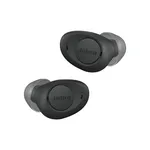
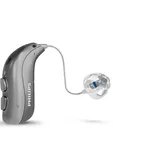
One of the foundational pillars within communication assistance pertains to hearing. Hearing Aid Devices For The Physically Challenged are precision instruments designed to amplify sound and clarify speech for individuals with hearing impairments. Modern devices leverage advanced digital signal processing to filter background noise, enhance speech frequencies, and provide a more natural listening experience. Technologies like directional microphones, feedback cancellation, and automatic environmental adaptation are standard features. Beyond mere amplification, contemporary hearing aids often include Bluetooth connectivity for direct streaming from smartphones, televisions, and other media devices, transforming them into comprehensive personal communication hubs. Types range from behind-the-ear (BTE), in-the-ear (ITE), to completely-in-canal (CIC) models, each offering distinct advantages in terms of aesthetics, power, and functionality. The selection process involves a thorough audiological assessment to match the device's capabilities with the specific type and degree of hearing loss, as well as the user's lifestyle and preferences.
Assistive Input Devices
For individuals who experience difficulties with standard input methods like keyboards and mice due to motor impairments, Assistive Input Devices offer critical alternatives. These devices are crucial for interacting with computers, tablets, smartphones, and dedicated augmentative and alternative communication (AAC) systems. This subcategory encompasses a wide array of solutions, each tailored to different levels of physical ability. Examples include switch access systems, which allow users to control devices with a single, consistent movement, be it a head tilt, foot press, or even a puff of air. Eye-tracking technology enables users to navigate interfaces and type simply by gazing at on-screen elements, offering high precision for those with limited motor control. Voice recognition software provides hands-free control, converting spoken commands into actions. Modified keyboards with larger keys, alternative layouts, or on-screen keyboards controlled by other input devices also fall into this category. The selection of an appropriate assistive input device is highly individualized, requiring careful consideration of the user's motor skills, endurance, and cognitive abilities to ensure an efficient and comfortable interaction experience with digital environments.